

7 Ways to Soothe Dry Eyelids and Lashes Fast
Quick Summary
Dry eyelids usually respond well to gentle cleansing, a warm compress and a thin layer of fragrance-free moisturizer on the lid skin. Keep the lash line clean, remove makeup every night, and avoid harsh cleansers that strip natural oils. If redness, crusting or pain persists, see an eye doctor.
- Remove all eye makeup every night with a gentle, oil-free remover.
- Use a warm compress for 5 to 10 minutes to soften crusts and oil.
- Apply a thin layer of fragrance-free moisturizer to the lid skin, not the eyeball.
- Avoid synthetic fragrance and alcohol-heavy formulas near the lash line.
- See an eye doctor if redness, swelling or crusting lasts more than a few days.
Table of Contents
- What Causes Dry Eyelids and Dry Skin Around the Lash Line
- How to Get Rid of Dry Eyelids Overnight
- Warm Compress Technique for Softening Eyelid Crusts
- Blepharitis Eyelid Hygiene Routine, Step by Step
- Choosing a Gentle Moisturizer and Ingredients to Avoid
- Makeup, Lash Extensions and Environmental Triggers to Watch
- When to See a Doctor About Persistent Eyelid Dryness
- Building a Daily Eyelid Care Routine That Prevents Flare-Ups
- Frequently Asked Questions
What Causes Dry Eyelids and Dry Skin Around the Lash Line
Dry eyelids usually come from skin that has lost its natural oils, or from oil glands along the lash line that are not working well. Many people notice flakiness, tightness and mild itching when the lash line is not cleaned or moisturized often enough.
A few common triggers show up again and again:
- Harsh cleansers that strip oils from the skin
- Cold, dry air from indoor heating or winter weather
- Makeup and lash products left on overnight
- Allergic reactions to fragrance or preservatives
- Blepharitis, a condition where the glands at the eyelid margin become clogged or inflamed
The meibomian glands sit along the edge of the eyelid and release oil into the tear film. When those glands are blocked, the tear film dries out faster, and the lid margin can become red and crusty. A review of eyelid cleaning methods and clinical applications describes how regular cleaning can remove margin secretions and scales, which helps control inflammation.
Watch out: scrubbing hard at crusts can irritate the skin further and push debris toward the eye. Use gentle pressure and a soft cloth every time.
How to Get Rid of Dry Eyelids Overnight
Most people cannot fully fix dry eyelids in one night, but they can calm the skin enough to feel better by morning. Start by removing all makeup and washing the lash line with a mild, fragrance-free cleanser. Then apply a thin layer of a gentle, fragrance-free moisturizer before bed.
A simple overnight routine looks like this:
- Remove eye makeup with a gentle, oil-free remover
- Rinse the lash line with lukewarm water
- Pat the skin dry, do not rub
- Apply a thin layer of moisturizer to the lid skin, not the eyeball
- Sleep on a clean pillowcase
If the eyelids feel very tight or crusty in the morning, a warm compress can help before you start your day. You can find a guide to home eyelid care from a major eye health organization that explains safe overnight habits in more detail.
Warm Compress Technique for Softening Eyelid Crusts
A warm compress helps loosen oil and crust along the lash line, which makes gentle cleaning easier. Soak a clean washcloth in warm water, wring it out, and hold it over closed eyes for about 5 to 10 minutes. Re-warm the cloth as it cools.
Keep the heat gentle. The water should feel comfortable on the inside of your wrist, not hot. Overheating the lids can irritate delicate skin, so stop if the area stings or looks redder.
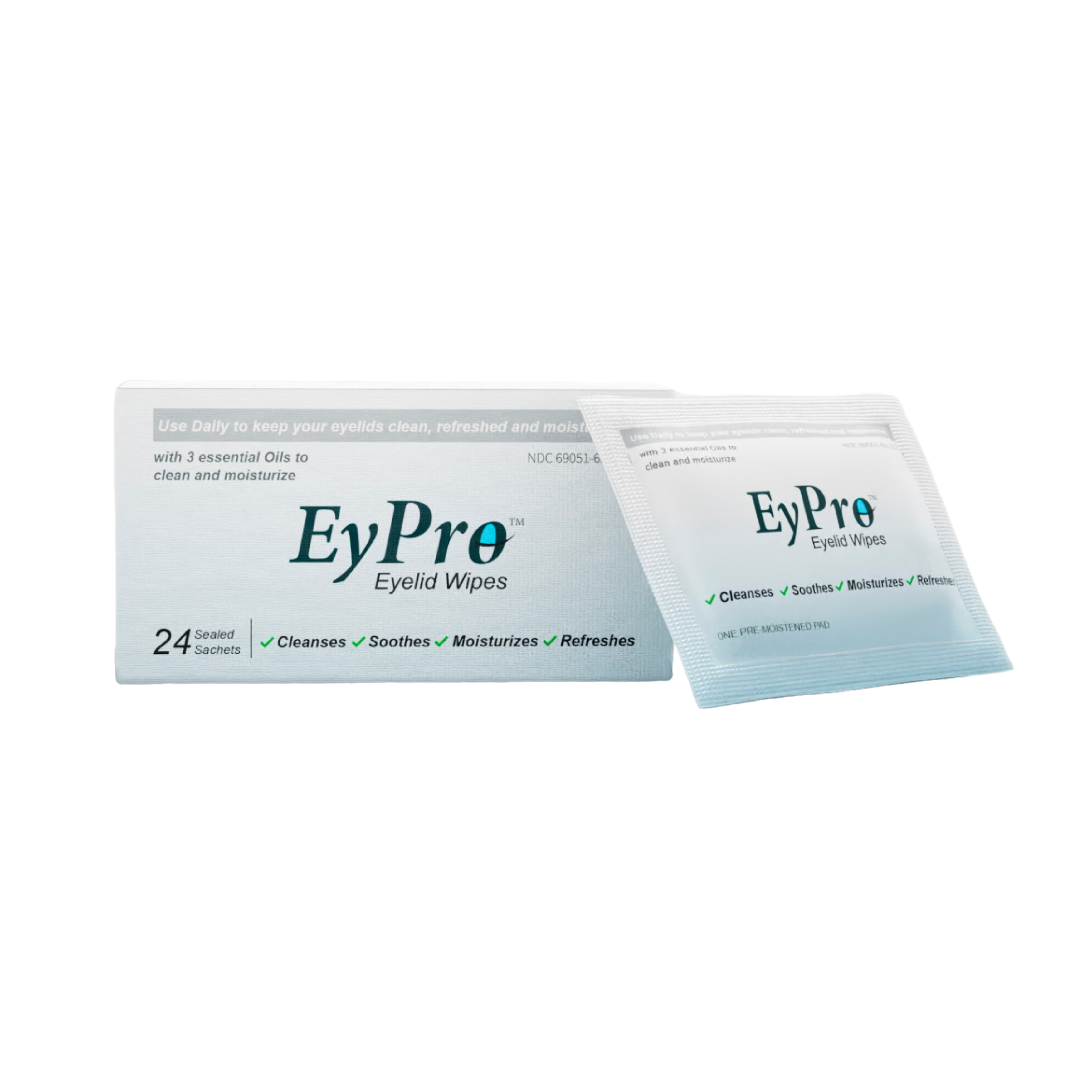
After the compress, wipe along the lash line with a soft cloth or a single-use cleansing wipe. The EyPro Eyelid Wipes with tea tree and hypericum oils are one option designed for this daily cleaning step, since each sachet is single-use and easy to carry.
Blepharitis Eyelid Hygiene Routine, Step by Step
Blepharitis is a long-term inflammation of the eyelid margins. A steady hygiene routine is one of the main ways people manage it at home. Clinicians often recommend cleaning once or twice a day, but always follow the advice of your eye doctor.
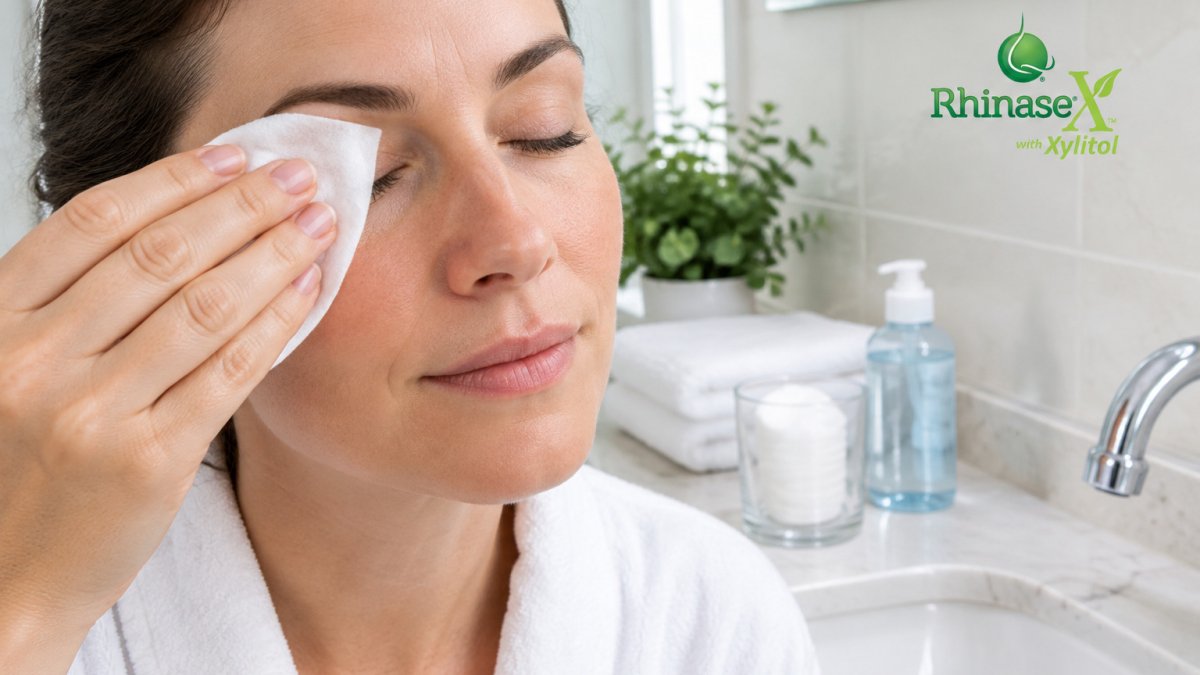
Here is a basic routine:
- Warm the lids with a compress for 5 to 10 minutes.
- Gently cleanse the lash line with a mild cleanser or a moistened wipe.
- Rinse with clean water and pat dry.
- Massage the lid margin lightly to help the glands release oil.
- Repeat each morning and evening, or as your doctor directs.
Some people use baby shampoo diluted in water for the cleansing step. Research summarized in the clinical literature on eyelid cleaning methods notes that baby shampoo cleansing can remove margin secretions and scales and improve symptoms.
Here is a quick summary of the routine:
| Step | Time | How Often | Goal |
|---|---|---|---|
| Warm compress | 5-10 minutes | Morning and night | Soften oil and crust |
| Gentle cleanse | 1-2 minutes | Morning and night | Remove debris |
| Rinse and dry | 1 minute | After each cleanse | Prevent irritation |
| Light massage | 30 seconds | Once daily | Release gland oil |
Choosing a Gentle Moisturizer and Ingredients to Avoid
Look for a moisturizer that is fragrance-free and labeled for sensitive skin.
Ingredients that may irritate the eyelid area include:
- Synthetic fragrance, a common cause of stinging and redness
- Alcohol-heavy formulas, which can dry the lid skin further
- Strong acids or exfoliants near the lash line
- Heavy oils that may clog glands in some people
Experts also advise against harsh active ingredients on the thin eyelid skin, and recommend gentle, eye-safe products instead. A soothing mist such as the Twin Rose Facial Mist from The Jo Collection can add light hydration to the face, but keep it away from the eyes and lash line.
Makeup, Lash Extensions and Environmental Triggers to Watch
Makeup and lash products are one of the most common but least discussed causes of eyelid dryness. The problem is rarely one dramatic product. It is usually the combination of residue, adhesive and friction along the lash line, repeated every day.
During a flare-up, the products most likely to make things worse fall into a few groups:
- Waterproof mascara and long-wear liner, because the removers needed to dissolve them are often oil-based or alcohol-heavy and can strip the lid margin
- Pencil and gel liners applied inside the lash line, which can block the openings of the meibomian glands
- Lash extension and lash lift adhesives, especially cyanoacrylate-based glues, which can irritate sensitive lid skin and trap debris at the base of the lashes
- Heavy cream shadows and primers on the lid skin, which can migrate into the lash line over the day
- Tinted or medicated eye creams that contain fragrance, essential oils or preservatives you have not tested before
Watch out: do not keep using a suspect mascara to "finish the look" during a flare-up. Old or contaminated mascara can carry bacteria to the lash line, so replace it as soon as the lids feel itchy or crusty.
Environmental triggers work differently from products. They change how often you blink and how fast the tear film evaporates, which leaves the lid margin drier even when your skincare is perfect.
- Indoor air with low humidity, especially in winter when heating runs for long periods, speeds tear evaporation.
- Ceiling fans, car vents and hair dryers blow air across the eyes and can dry the lid margin quickly.
- Screen time lowers the blink rate considerably. Many people blink less when reading or looking at phones and laptops, so brief breaks where you consciously blink fully can reduce the daily drying load.
- Blue light from screens is often blamed for eye dryness, but the stronger evidence points to reduced blinking rather than the light itself.
- Contact lenses worn for long hours, or worn while the lids are already inflamed, can increase irritation. If you wear lenses, ask your eye care provider whether a lens type or wear schedule suits your eyelids during a flare-up.
A practical way to test these triggers is to change one at a time for a week, such as switching to a fragrance-free remover or running a humidifier at night, and noting whether the lids feel less tight and crusty in the morning.
When to See a Doctor About Persistent Eyelid Dryness
Home care works well for mild dryness, but some symptoms need a professional. See an eye doctor if your eyelids stay red or swollen for more than a few days, if you notice pus or a sty that keeps returning, or if your vision feels blurry or painful.
Contact a doctor promptly if you have:
- Eye pain or light sensitivity
- Lid crusting that keeps coming back
- Redness that spreads to the eye itself
- Signs of an allergic reaction after a new product
Get medical care quickly for any sudden change in vision.
Building a Daily Eyelid Care Routine That Prevents Flare-Ups
Consistency matters more than any single product, but a useful routine also looks beyond the lid itself. The tear film is made of oil, water and mucus layers, and each depends partly on what you eat and drink as well as what you apply.
A simple daily structure many people can follow:
| Time | Action | Why it matters |
|---|---|---|
| Morning | Rinse the lid margin with lukewarm water, then pat dry | Clears overnight debris without stripping oils |
| Morning | Apply a light, fragrance-free moisturizer to the lid skin only | Supports the skin barrier before the day's air exposure |
| Midday | Take a short screen break and blink fully several times | Restores blink rate during long tasks |
| Evening | Remove all eye makeup with an oil-free or gentle remover | Prevents residue from blocking gland openings overnight |
| Evening | Cleanse the lash line, then warm compress if the lids feel crusty | Softens oil and loosens debris |
| Evening | Apply moisturizer and sleep on a clean pillowcase | Reduces overnight friction and buildup |
| Weekly | Check expiry dates and replace old eye products | Limits bacterial growth and new irritants |
The systemic side is often overlooked. Two factors are worth paying attention to:
- Hydration. Drinking enough water across the day supports overall tear production, though drinking extra water does not fix an oily or blocked gland problem on its own. Think of hydration as supporting the routine rather than replacing it.
- Dietary fats. Omega-3 fatty acids, found in fish such as salmon and sardines, flaxseed and walnuts, are commonly discussed in relation to meibomian gland function. Evidence is mixed, so treat dietary changes as a supplement to your eye care routine and discuss supplements with your doctor, particularly if you take blood thinners.
Watch out: do not make large diet or supplement changes in place of medical treatment for blepharitis or persistent crusting. Those symptoms need an eye care professional to assess.
To keep the routine sustainable, anchor each step to an existing habit. Cleanse after brushing your teeth, do the warm compress while reading, and take a blink break whenever you refill your water glass. Small, repeated actions tend to prevent the flare-ups that cause the most discomfort.
Frequently Asked Questions
How can I rehydrate my dry eyelids?
Start with a warm compress for several minutes to loosen oils along the eyelid margin, then cleanse gently with a mild, preservative-free option such as a baby shampoo rinse or a pre-moistened eyelid wipe. Follow with a fragrance-free moisturizer applied lightly to the skin, not the eye itself. Repeat daily until the skin feels comfortable, and avoid rubbing the lids during the process.
What causes dry skin on eyelids?
Dry eyelid skin often comes from a combination of factors: low humidity, cold wind, heating or air conditioning, harsh cleansers, and oils that block the glands along the lash line. Blepharitis, an inflammation of the eyelid margin, is a common underlying cause of flaky, crusted lids.
Is there a specific vitamin deficiency that causes dry eyelids?
No single vitamin deficiency is established as the cause of dry eyelids in the sources reviewed for this article. Dryness is more commonly linked to local factors such as gland blockage, inflammation, irritants and environmental conditions. If you suspect a nutritional issue, talk with a doctor who can order appropriate testing rather than starting supplements on your own.
When should I see a doctor for persistent eyelid dryness?
See an eye doctor or dermatologist if dryness, redness or crusting lasts more than a couple of weeks despite consistent gentle care, or if you notice eye pain, blurred vision, light sensitivity, swelling, lash loss or discharge. These signs can point to blepharitis, dermatitis or an allergic reaction that needs professional treatment.
