

How to Safely Remove Nasal Crusting
Table of Contents
- Why Nasal Crusting Happens and Why Safe Removal Matters
- How to Get Crusty Boogers Out of Your Nose Safely
- Saline Spray for Dry Nose and Crust Prevention
- Nasal Irrigation Safety: What You Need to Know
- When to See a Doctor for Nasal Crusting
- Preventing Nasal Crusting: Moisture and Humidity Management
- What Not to Do: Common Mistakes That Make Crusting Worse
- Frequently Asked Questions
Last Updated: October 18, 2026
Why Nasal Crusting Happens and Why Safe Removal Matters
Nasal crusting is frustrating. Your nose feels blocked, uncomfortable, and sometimes painful. Learning how to remove nasal crusting safely matters more than you might think.
Crusts form when moisture in your nasal passages dries out. The tissue inside your nose produces mucus naturally. When that mucus dries, it hardens into crusts and scabs. These can block airflow, trap bacteria, or bleed if removed carelessly.
Common causes of nasal crusts and scabs
Several factors trigger nasal crusting. Low humidity is the biggest culprit. Dry air from heating systems, air conditioning, or desert climates pulls moisture from your nasal passages. Winter months hit especially hard.
Medical equipment causes crusting too. CPAP users and oxygen therapy patients face constant airflow across nasal tissue. This dries the passages faster than normal breathing does.
Allergies create excess mucus that eventually dries into crusts. Sinus infections, nasal polyps, and certain medications also contribute. Even picking at your nose can damage tissue and cause crusting as it heals.
Environmental irritants matter as well:
- Cigarette smoke and pollution
- Chlorine from swimming
- Dust and allergens
- Chemical fumes from cleaning products
What happens when you pick or remove crusts unsafely
Picking at nasal crusts feels like relief in the moment. But it causes real damage.
Your nasal lining is delicate. Aggressive picking tears the tissue underneath. This leads to bleeding, swelling, and pain. The body responds by forming MORE crusts as it heals.
Unsafe removal can also introduce bacteria. Your fingernails carry germs. A small tear becomes infected tissue. Infections spread quickly in the warm, moist environment of your nose.
Repeated trauma to nasal tissue can cause scarring. Scarred tissue doesn't heal properly. It crusts more easily and resists treatment. This is why gentle technique matters from the start.
How to Get Crusty Boogers Out of Your Nose Safely
The right approach removes crusts without damage. It takes patience and the correct tools. Most people rush this process and make it worse.
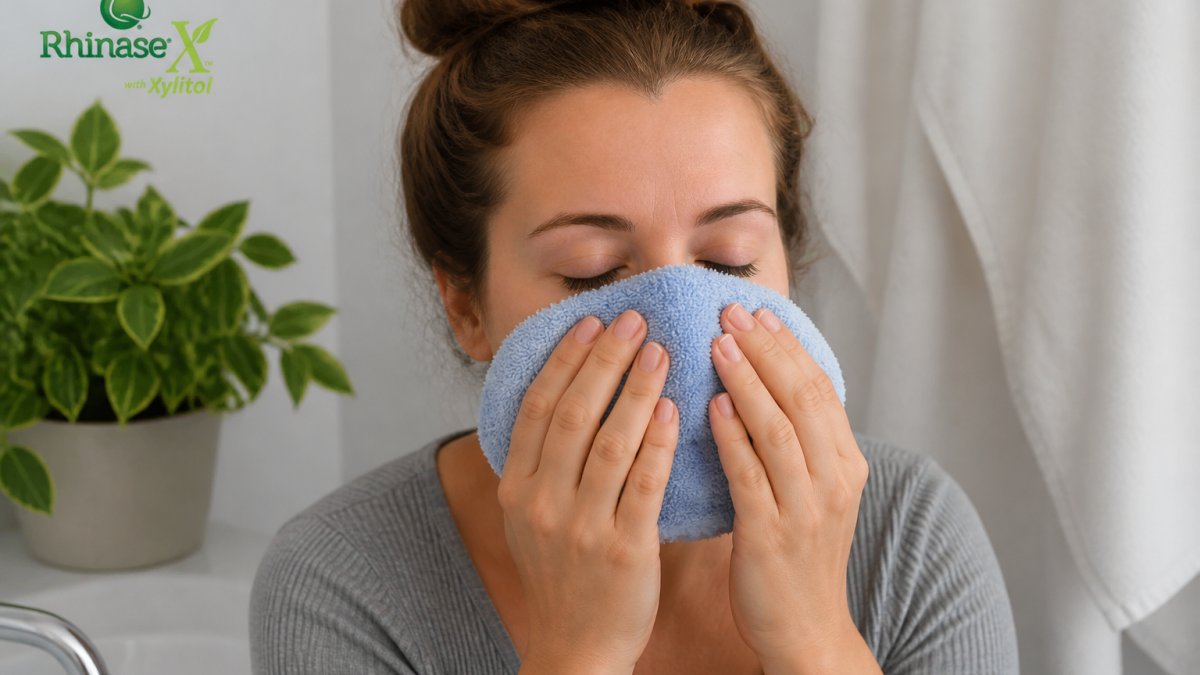
Step 1: Soften crusts before removal
Never pull at dry crusts. Softening them first prevents tearing.
Start with moisture. Use a warm washcloth or compress against your nose for 5-10 minutes. The heat and humidity soften crusts naturally. Your body's own moisture does the work.
Alternatively, breathe steam. Lean over a bowl of hot water. Cover your head with a towel to trap steam. Breathe deeply for 10-15 minutes.
After softening, apply a saline spray or gel. Saline solutions contain salt water that mimics your body's natural fluids. They hydrate crusty tissue without irritation.
Step 2: Use gentle techniques to remove softened crusts
Only attempt removal after crusts are soft. To remove nasal crusting effectively, a softened crust comes away easily with minimal pressure.
Use your pinky finger, it's smaller and exerts less force. Gently roll the softened crust between your fingertip and the inside of your nose. Don't pull. Let gravity and gentle motion do the work.
If a crust resists, stop. Apply more saline and wait longer. Forcing it will cause bleeding.
Some crusts need multiple attempts over several days. This is normal. Patience prevents injury.
Never use:
- Cotton swabs (they're too rigid and can perforate tissue)
- Tweezers or forceps (they cause tears)
- Your fingernails (they cut and introduce bacteria)
- Tissue paper (it shreds and leaves fibers behind)
Step 3: Moisturize after removal
After removing crusts, your nasal passages need protection. Moisturizing prevents new crusts from forming immediately.
Apply a nasal gel or ointment to the affected area. These products create a protective barrier. They keep moisture in and irritants out. Reapply 2-3 times daily, especially after blowing your nose.
The Rhinase Nasal Care Combo Pack combines a saline spray with a lubricating gel. The spray softens crusts during removal. The gel protects tissue afterward.

Saline Spray for Dry Nose and Crust Prevention
Saline solutions are the foundation of nasal crusting treatment. They work with your body's natural healing process instead of against it.
How saline solutions work to soften crusts
Saline contains salt and water in concentrations that match your body's fluids. This similarity means your nasal tissue accepts it readily. There's no irritation or burning.
The salt in saline draws moisture into dried tissue. This is osmosis, water moves toward salt concentration. Crusts soften as they absorb moisture. The process is gentle and gradual.
Saline also helps flush away debris and irritants. It rinses out bacteria and dried mucus. This reduces infection risk and speeds healing.
Unlike steroid sprays, saline doesn't thin tissue or cause rebound congestion. You can use it as often as needed without side effects.
Best practices for using saline spray daily
Consistency matters more than intensity. Daily saline use prevents crusting before it starts.
Use saline spray 2-4 times per day. Morning and evening are essential. Add midday applications if you're in a dry environment or using medical equipment.
Spray directly into each nostril. Tilt your head slightly back to let the spray coat your nasal passages.
Keep a saline bottle with you. Dry environments, airplanes, heated offices, cars, cause rapid crusting. A quick spray prevents buildup.
For CPAP users, spray before and after wearing your mask. This reduces irritation from equipment contact. Many CPAP users find this cuts crusting by half.
Nasal Irrigation Safety: What You Need to Know
Nasal irrigation flushes your entire nasal cavity. It's more thorough than spray alone. But it requires proper technique to avoid complications.
Safe water and equipment for nasal irrigation
Use distilled or sterile water only. Tap water contains bacteria and minerals that irritate nasal tissue. Boiled tap water works if you let it cool completely.
Never use ocean water, pool water, or well water. These introduce contaminants that cause infections.
Clean your irrigation equipment after each use. Neti pots, squeeze bottles, and saline rinse kits need thorough drying. Mold and bacteria grow in moist equipment.
Replace equipment monthly if possible. Old equipment harbors bacteria even after cleaning.
The water temperature matters. Use lukewarm water, around body temperature. Cold water shocks nasal tissue. Hot water burns it. Lukewarm feels comfortable and works best.
Step-by-step nasal irrigation technique
Prepare your saline solution. Mix one-quarter teaspoon of salt in 8 ounces of distilled water.
Stand over a sink. Tilt your head slightly forward and to one side.
Gently squeeze the bulb or bottle. Water flows through your nasal cavity and out the lower nostril.
Breathe through your mouth during irrigation. Never hold your breath.
Use 4-8 ounces of saline per nostril. Stop if you feel pressure or discomfort. More isn't better.
After irrigation, gently blow your nose to clear remaining water. Don't force it.
Irrigate 1-2 times daily during active crusting. Once daily is fine for maintenance.
When to See a Doctor for Nasal Crusting
Most nasal crusting responds to home care. But some situations require professional evaluation.
Red flags that require medical evaluation
Bleeding that won't stop after 10 minutes of gentle pressure needs attention. Crusts shouldn't cause prolonged bleeding.
Severe pain when removing crusts suggests tissue damage or infection. A doctor can assess the damage and prescribe appropriate treatment.
Foul-smelling drainage indicates infection. Infected tissue needs professional care. Antibiotics or other treatments may be necessary.
Crusting that worsens despite consistent home care suggests an underlying condition. Your doctor can identify causes like atrophic rhinitis or nasal polyps.
Yellow or green drainage means bacterial infection. Don't wait on this. Infections spread quickly in nasal tissue.
Conditions that cause persistent crusting
Atrophic rhinitis causes the nasal lining to thin and atrophy. This creates chronic crusting that home care alone won't fully resolve.
Nasal polyps obstruct airflow and trap mucus. They cause crusting along with congestion. Polyps often need removal.
Sjögren's syndrome is an autoimmune condition affecting moisture production. It causes severe nasal dryness and crusting. Treatment addresses the underlying condition.
Certain medications cause nasal dryness as a side effect. Antihistamines, decongestants, and blood pressure medications are common culprits. Your doctor can adjust medications or recommend compensatory care.
Chronic sinus infections create thick, crusty drainage. These need professional treatment to clear the underlying infection.
Preventing Nasal Crusting: Moisture and Humidity Management
Prevention is easier than treatment. Maintaining adequate moisture in your nasal passages stops crusting before it starts.
Using humidifiers and warm compresses
A humidifier adds moisture to the air in your bedroom or office. This reduces how much moisture your nasal passages lose.
Aim for 30-50% humidity in your space. Too much humidity encourages mold. Too little doesn't help.
Warm compresses provide targeted moisture. Apply one to your nose for 5-10 minutes daily. This keeps tissue hydrated and prevents crusting.
Take a hot shower. The steam hydrates your nasal passages naturally. Many people find their nasal crusting improves simply by showering daily.
Drink plenty of water. Hydration starts from inside. Your body uses water to produce mucus. Dehydration reduces mucus production and increases crusting.
Moisturizers and ointments for the nostril opening
The area just inside your nostrils crusts easily because it's exposed to air. Apply a protective moisturizer here daily.
Petroleum jelly works, but it can feel greasy. Nasal gels designed for this purpose feel better and work more effectively.
The Rhinase Allergy Relief Lubricating Nasal Gel contains dual salt formulation and wetting agents. It moisturizes tissue while preventing crusting. Apply it to the nostril opening twice daily, especially before bed.

A thin layer of moisturizer creates a barrier against dry air. This is especially important for CPAP users. Apply gel before putting on your mask. This reduces equipment-related irritation significantly.
| Prevention Strategy | Frequency | Best For |
|---|---|---|
| Humidifier use | Daily during dry seasons | Whole-home moisture |
| Warm compress | Once daily | Targeted moisture |
| Saline spray | 2-4 times daily | Quick hydration |
| Nasal gel | Twice daily | Barrier protection |
| Nasal irrigation | 1-2 times daily | Deep cleansing |
| Hydration | Throughout day | Internal moisture |
What Not to Do: Common Mistakes That Make Crusting Worse
People often make crusting worse by trying to fix it quickly.
Don't pick at crusts. This is the most common mistake.
Don't use dry tissues to remove crusts. Tissues absorb moisture and stick to tissue.
Don't use aggressive nasal sprays with decongestants regularly.
Don't ignore pain or bleeding. These are warning signs.
Don't irrigate with tap water. The bacteria and minerals cause more problems than they solve.
Don't use cotton swabs deep in your nose.
Don't apply ointments inside your nose if you have certain conditions.
Nasal crusting disrupts your comfort and quality of life. But it responds well to consistent, gentle care.
Profounda Health & Beauty's products support this entire process. The Rhinase Nasal Care Combo Pack and Xynase Natural Saline Nasal Spray with Xylitol provide doctor-recommended, steroid-free solutions for every stage.

Frequently Asked Questions
Can saline spray soften nasal crusting?
Yes. Saline spray works by delivering moisture directly into the nasal passages, which softens crusts and scabs without irritation. The salt water solution hydrates dried mucus, making it easier to remove safely. Using saline spray regularly also prevents crusting from returning by maintaining consistent moisture in your nasal cavity.
How do I get crusty boogers out of my nose without causing damage?
The safest method is to soften crusts first using saline spray, a warm washcloth, or steam for 5-10 minutes. Once softened, use gentle nose blowing or a soft tissue to remove them. Never pick, scratch, or use sharp objects. After removal, apply a moisturizer like a nasal gel to the nostril opening. This three-step approach prevents bleeding and irritation while effectively clearing nasal passages.
When should nasal crusting be checked by a doctor?
Seek medical evaluation if crusting is accompanied by frequent nosebleeds, severe pain, foul-smelling discharge, persistent bleeding that won't stop, crusting that returns within days despite treatment, or signs of infection like fever or swelling. Also see a doctor if crusting follows nasal surgery, or if it's only on one side of your nose. These symptoms may indicate atrophic rhinitis, infection, or other conditions requiring professional care.
Is nasal irrigation safe for everyone?
Nasal irrigation is generally safe when done correctly, but requires proper technique and equipment. Always use distilled, sterile, or boiled water that has cooled. Never use tap water directly, as it may contain bacteria or irritants. If you have a deviated septum, recent nasal surgery, or ear infections, consult your doctor first. Start with lower pressure and frequency, and stop if you experience pain, dizziness, or increased bleeding.