

How to Treat Post-Nasal Drip Naturally: A 2026 Guide
Table of Contents
- What Is Post-Nasal Drip and What Causes It?
- How to Stop Post-Nasal Drip Quickly: Fast Relief Methods
- Natural Home Remedies for Post-Nasal Drip Relief
- Foods to Avoid With Post-Nasal Drip (and What to Eat Instead)
- Safety Precautions for Natural Remedies
- How Long Does Post-Nasal Drip Last?
- When to See a Doctor
- Conclusion
Last Updated: August 8, 2026
What Is Post-Nasal Drip and What Causes It?
Post-nasal drip is the sensation of mucus draining from the nasal passages down the back of the throat, often causing irritation, a persistent urge to clear the throat, or a chronic cough. Your mucous membranes produce mucus constantly as a normal, protective function. The problem starts when that production increases or the mucus thickens, making the drainage noticeable and uncomfortable.
Common triggers include:
- Allergens such as pollen, dust mites, pet dander, or mold
- Viral infections including the common cold and flu
- Sinusitis, both acute and chronic
- Environmental irritants like smoke, dry air, or chemical fumes
- Dietary triggers including dairy, spicy foods, and alcohol
- Gastroesophageal reflux, which can push stomach acid upward and stimulate mucus production
- Changes in weather or temperature, which affect nasal passage humidity
Understanding the root cause is the fastest path to effective relief. Treating sinus drainage from allergies looks very different from treating it after a cold.
Allergies vs. Infections: How to Tell the Difference
Allergy-driven post-nasal drip typically produces thin, clear, watery mucus tied to specific exposures. You'll often notice itchy eyes, sneezing, and nasal congestion alongside the drainage. Symptoms persist as long as the allergen is present.
Infection-related sinus drainage is usually thicker and may be yellow or green. You may also have a sore throat, mild fever, body aches, or facial sinus pressure. Symptoms tend to peak within a few days and then gradually improve.
One practical rule: if your symptoms follow a predictable pattern tied to seasons or specific environments, allergies are the more likely culprit. If symptoms came on suddenly after contact with a sick person, an infection is more probable. According to the American Academy of Allergy, Asthma and Immunology, distinguishing between allergic and infectious causes is the first step toward appropriate management.
How to Stop Post-Nasal Drip Quickly: Fast Relief Methods
The fastest relief comes from directly addressing mucus thickness and nasal passage inflammation. Thinning the mucus and clearing the drainage pathway gives the quickest reduction in throat irritation and congestion.
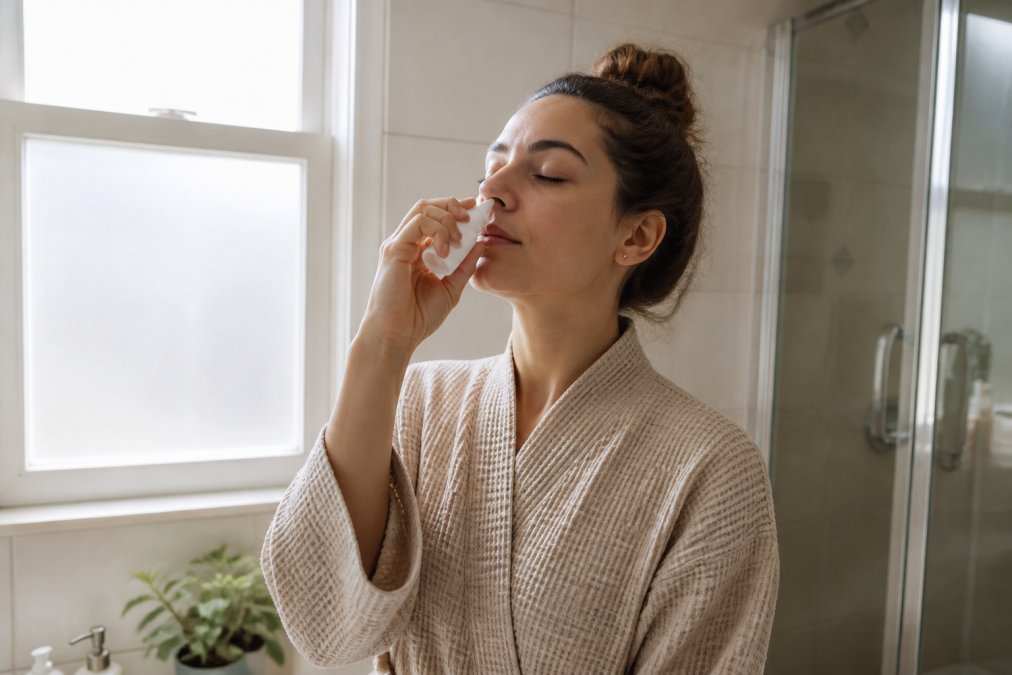
Saline Nasal Rinses and Sprays
Saline nasal irrigation is one of the most well-supported natural approaches for managing post-nasal drip. A saline rinse physically flushes allergens, irritants, and excess mucus from the nasal passages, reducing the volume of drainage and soothing inflamed mucous membranes. As documented in Mayo Clinic's guidance on nasal irrigation, saline rinses are a safe, drug-free option for reducing sinus congestion and thinning mucus.
How to use a saline nasal spray effectively:
- Gently blow your nose before using the spray to clear existing mucus
- Tilt your head slightly forward, not backward
- Insert the nozzle just inside one nostril and spray while breathing in gently through your nose
- Let the solution drain naturally, do not sniff forcefully
- Repeat on the other side
- Use 2-3 times daily during active symptoms
Profounda Health & Beauty's drug-free nasal mist combines saline with natural xylitol, which helps maintain moisture in the nasal passages and creates an environment less hospitable to irritants.
Steam Inhalation and Humidifiers
Dry air is one of the most underappreciated environmental triggers for post-nasal drip. When nasal passages dry out, the body overproduces mucus to compensate, and that mucus becomes thicker and harder to clear.
Steam inhalation provides immediate relief by introducing warm moisture directly into the nasal passages. The warmth helps thin mucus, making it easier to drain, while the humidity soothes irritated mucous membranes.
Simple steam inhalation method:
- Bring a pot of water to a boil, then remove from heat
- Place your face 8-12 inches above the pot
- Drape a towel over your head to trap the steam
- Breathe slowly and deeply through your nose for 5-10 minutes
A humidifier addresses the same problem passively throughout the day and night. Keeping indoor humidity between 40-50% is the target range for respiratory health.
Gargling with Saltwater
Gargling with a warm saltwater solution won't stop post-nasal drip at its source, but it provides real relief from the throat irritation and phlegm buildup that comes with it. The salt draws fluid from inflamed throat tissue, reducing swelling, while the warm water loosens thick mucus.
Standard saltwater gargle:
- Dissolve ¼ to ½ teaspoon of non-iodized salt in 8 ounces of warm water
- Gargle for 30-60 seconds, focusing on the back of the throat
- Spit and repeat 2-3 times
- Use up to 4 times daily during active symptoms
Natural Home Remedies for Post-Nasal Drip Relief
Beyond the fast-acting methods above, several home-based approaches address the underlying conditions that sustain post-nasal drip.

Hydration and Warm Fluids
Dehydration is a direct driver of thick, hard-to-clear mucus. When the body is low on fluids, mucus loses its normal thin consistency and becomes sticky, which makes drainage slower and more uncomfortable.
Warm fluids are particularly effective because heat helps thin mucus faster than cold or room-temperature liquids. Herbal teas with ginger or honey, warm broth, and warm water with lemon are all practical choices. Aim for consistent fluid intake throughout the day. Caffeinated beverages and alcohol have a dehydrating effect that can worsen congestion and sinus pressure.
Elevating Your Head While Sleeping
Lying flat allows mucus to pool at the back of the throat instead of draining naturally. This is why post-nasal drip symptoms are often worst in the morning.
Elevating the head of your bed or using an extra pillow to raise your head 4-6 inches creates a gentle slope that encourages drainage away from the throat. Running a humidifier in the bedroom while you sleep can noticeably reduce morning symptoms within a few nights.
| Remedy | Best For | When to Use | How Often |
|---|---|---|---|
| Saline nasal spray | Thinning mucus, clearing allergens | Morning and before bed | 2-3x daily |
| Steam inhalation | Immediate congestion relief | During active symptoms | 1-2x daily |
| Saltwater gargle | Throat irritation and phlegm | After meals and before bed | Up to 4x daily |
| Warm fluids | Systemic hydration, mucus thinning | Throughout the day | Continuously |
| Head elevation | Overnight drainage, morning symptoms | Every night during sleep | Nightly |
| Humidifier | Dry air, nasal dryness | Overnight or all day | Continuous |
Foods to Avoid With Post-Nasal Drip (and What to Eat Instead)
Diet has a direct impact on sinus drainage. Certain foods increase mucus production or promote inflammation in the nasal passages, while others actively support respiratory health.
Foods that commonly worsen post-nasal drip:
- Dairy products can thicken mucus in some people, making drainage slower and more noticeable
- Alcohol causes blood vessels in the nasal passages to dilate, increasing congestion and mucus production
- Refined sugar promotes systemic inflammation, which can worsen sinus symptoms
- Spicy foods trigger mucus production
- Processed foods high in artificial additives and preservatives
Anti-inflammatory foods that support nasal health:
- Ginger has natural anti-inflammatory properties and may help reduce nasal passage swelling
- Turmeric contains curcumin, a compound studied for its effects on inflammation
- Garlic and onions contain quercetin, a natural compound that may reduce histamine response
- Citrus fruits and bell peppers are high in vitamin C, which supports immune function
- Leafy greens and fatty fish provide omega-3 fatty acids and antioxidants that support respiratory health
- Warm broths combine hydration with anti-inflammatory nutrients
Dietary changes won't resolve post-nasal drip overnight, but they create conditions where other remedies work more effectively.
Safety Precautions for Natural Remedies
Natural does not automatically mean risk-free. A few important precautions apply to the most common home remedies for post-nasal drip.
Saline rinses and nasal irrigation: Always use distilled, sterile, or previously boiled water when preparing saline solutions for nasal rinsing. As noted in FDA guidance on safe use of neti pots and nasal rinsing devices, using untreated tap water carries a risk of introducing harmful microorganisms into the nasal passages. Pre-made sterile saline sprays eliminate this risk entirely.
Steam inhalation: Keep a safe distance from the heat source. Children should not perform steam inhalation over open pots of hot water without direct adult supervision. A warm shower or bath is a safer alternative for children.
Essential oil additions: Eucalyptus or peppermint oil can be effective for adults, but should not be used with young children or infants, as certain compounds can cause respiratory distress in small children.
Herbal teas and supplements: Some herbal remedies interact with medications. If you're taking blood thinners, immunosuppressants, or other prescription medications, check with your doctor before adding herbal supplements to your routine.
Xylitol-based nasal products: Xylitol is generally recognized as safe for adults and children, but follow the labeled directions and discontinue use if irritation increases rather than decreases.
How Long Does Post-Nasal Drip Last?
How long post-nasal drip lasts depends almost entirely on its cause. Post-nasal drip tied to a viral cold typically resolves within 7-10 days as the infection clears. Allergy-related drainage can persist for weeks or months if the allergen exposure continues. Chronic sinusitis can sustain post-nasal drip for 12 weeks or longer.
Factors that extend duration include continued allergen exposure, untreated structural issues like a deviated septum, persistent dry indoor air, inadequate hydration, and ongoing dietary triggers. Saline rinses and steam can reduce symptoms within hours, but resolving the underlying cause takes days to weeks depending on the trigger.
When to See a Doctor
Most cases of post-nasal drip respond well to natural home remedies, but some presentations warrant medical evaluation. Seek care if:
- Symptoms persist beyond 10 days without improvement
- Mucus is consistently yellow or green and accompanied by fever or facial pain
- You notice blood in your nasal discharge
- You experience significant difficulty breathing or swallowing
- Post-nasal drip is disrupting sleep consistently over several weeks
- Over-the-counter and natural remedies have provided no relief after two weeks of consistent use
- You suspect a structural cause such as nasal polyps or a deviated septum
Chronic post-nasal drip that doesn't respond to natural treatment often has a treatable underlying cause. According to the American Academy of Otolaryngology-Head and Neck Surgery, chronic sinus drainage lasting more than 12 weeks qualifies as chronic rhinosinusitis and typically requires targeted medical treatment.
Persistent post-nasal drip is one of the most common complaints Profounda Health & Beauty hears from customers seeking a drug-free path to relief. For those who want a steroid-free, doctor-recommended option that addresses both nasal dryness and drainage, Profounda Health & Beauty's xylitol-based nasal mist and gel formulations are designed specifically for that purpose. Add to cart and experience the difference of professional-grade nasal care built around natural ingredients.
Frequently Asked Questions
How do I get rid of post-nasal drip as fast as possible?
The fastest natural relief comes from nasal irrigation with a saline rinse or spray, which physically flushes excess mucus from the nasal passages. Gargling with warm saltwater soothes throat irritation almost immediately. Drinking warm fluids like herbal tea or broth helps thin mucus so it drains more easily. Steam inhalation for 5-10 minutes can also open congested nasal passages quickly. For persistent post-nasal drip, a drug-free saline gel applied inside the nose helps keep mucous membranes hydrated and reduces further drainage.
What foods stop post-nasal drip?
Anti-inflammatory foods can reduce the mucus overproduction that drives post-nasal drip. Ginger, turmeric, and garlic have natural antibacterial and anti-inflammatory properties. Warm broths and herbal teas promote hydration and help thin phlegm. Citrus fruits and leafy greens support overall respiratory health. On the other side, dairy, alcohol, spicy foods, and processed sugars are common dietary triggers that worsen sinus drainage for many people. Cutting these out for a week often reveals whether diet is contributing to your symptoms.
What naturally dries up sinus drainage?
Staying well-hydrated is counterintuitive but effective: adequate fluid intake keeps mucus thin so it drains rather than pooling. Saline nasal rinses flush allergens and irritants from the nasal passages, reducing the inflammatory response that triggers excess mucus. Elevating your head during sleep prevents mucus from pooling in the throat. Reducing exposure to environmental triggers like dust, pet dander, and cigarette smoke also lowers the ongoing irritation that signals your body to produce more mucus.
When should I see a doctor for post-nasal drip?
See a doctor if your post-nasal drip lasts more than 10 days without improvement, if you develop a fever, facial pain, or sinus pressure suggesting sinusitis, or if you notice blood in your mucus. Chronic post-nasal drip lasting several weeks may indicate an underlying condition like allergies, acid reflux, or a structural nasal issue that needs diagnosis. Children with persistent symptoms, especially alongside recurring ear infections or difficulty breathing, should be evaluated by a pediatrician rather than managed with home remedies alone.
This article was written using GrandRanker