

Top 10 Natural Remedies for Dry Nose at Night
Table of Contents
- Why Your Nose Gets Dry at Night: Common Causes of Dry Nose at Night
- 1. Use a Humidifier to Add Moisture to Indoor Air
- 2. Apply Saline Nasal Sprays and Rinses Before Bed
- 3. Stay Hydrated Throughout the Day and Evening
- 4. Use Topical Moisturizers and Nasal Gels for Overnight Relief
- 5. Try Steam Inhalation Before Sleep
- Best Nasal Spray for Dry Nose Relief: Choosing the Right Product
- 6. Avoid Nasal Picking and Maintain Good Nasal Hygiene
- Frequently Asked Questions
Last Updated: September 25, 2026
Why Your Nose Gets Dry at Night: Common Causes of Dry Nose at Night
Dry nose at night is more common than you'd think, and understanding why it happens is the first step toward relief. At Profounda Health & Beauty, we provide specialized nasal care solutions designed to hydrate and soothe dry, irritated nasal passages. Your nasal passages rely on moisture to function properly, and several factors conspire to steal that moisture when you sleep.
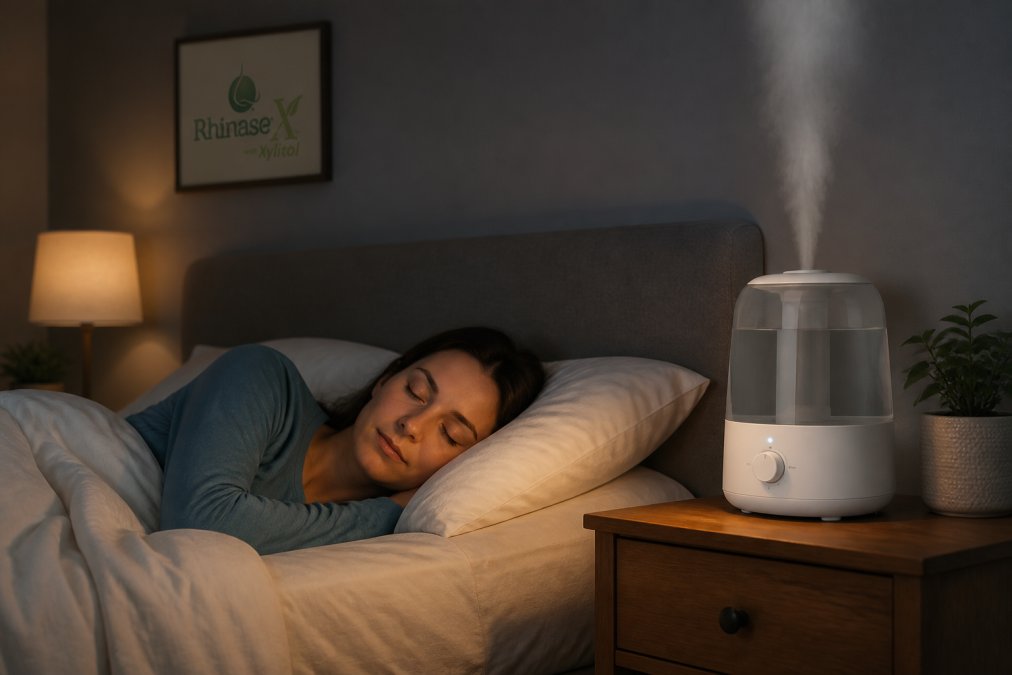
Low humidity is the primary culprit. Heated indoor air during winter months, and air conditioning in summer, strips moisture from your nasal mucosa. If you use a CPAP or oxygen therapy machine, the pressurized air compounds the problem by drying out your nasal passages even more. Allergies, colds, and chronic sinusitis all trigger inflammation that disrupts your mucous membranes' ability to retain moisture.
Sleep position matters too. Mouth breathing during sleep, whether from habit or nasal obstruction, allows air to bypass your nasal passages entirely, leaving them parched by morning. Environmental irritants like pet dander, dust, and dry air all contribute. For some people, dehydration throughout the day means there's simply less moisture available for your body to distribute to your nasal passages at night.
1. Use a Humidifier to Add Moisture to Indoor Air
A humidifier is one of the most effective tools for combating dry nose at night because it addresses the root environmental cause. Adding moisture directly to the air means your nasal passages stay hydrated even while you sleep. This is especially critical during winter months when heating systems can reduce indoor humidity to dangerously low levels.
Cool-mist humidifiers are generally preferred for nighttime use because they don't add heat to your bedroom. Aim to maintain indoor humidity between 40-60%. Too little humidity leaves your nose dry; too much promotes dust mites and mold growth. Running a humidifier for 6-8 hours during sleep provides consistent relief without overdoing it.
Placement matters. Position your humidifier 3-6 feet from your bed, not directly next to your pillow. This distributes moisture evenly across the room rather than creating a microclimate that could promote mold around your bedding. Clean the humidifier every 2-3 days to prevent bacterial growth.
2. Apply Saline Nasal Sprays and Rinses Before Bed
Saline nasal sprays work by directly moisturizing your nasal mucosa with a salt-water solution that mimics your body's natural fluids. Unlike decongestants, saline won't create rebound congestion or dry out your nose further with repeated use. Apply a saline spray 15-30 minutes before bed to give the moisture time to settle into your nasal passages.
Saline irrigation, using a neti pot or squeeze bottle to flush your nasal passages, provides deeper hydration than sprays alone. A gentle rinse with 1-2 cups of warm saline solution removes irritants and crusting while coating your nasal passages with moisture. This technique is particularly helpful if you have nasal crusting or post-nasal drip contributing to your dryness.
The key difference between saline products lies in their formulation. Standard isotonic saline (0.9% salt) matches your body's natural salt concentration. Some advanced formulas include wetting agents and dual salts like sodium and potassium, which enhance moisture retention in your nasal passages. Products like the Rhinase Lubricating Nasal Mist contain dual wetting agents that provide superior hydration compared to basic saline alone.

3. Stay Hydrated Throughout the Day and Evening
Your body distributes moisture to your nasal passages from your overall hydration level. If you're dehydrated, your nose suffers first. Drinking adequate water throughout the day, not just before bed, ensures your nasal mucosa has the moisture it needs for nighttime repair.
Aim for 8-10 glasses of water daily, adjusting for exercise, climate, and individual factors. The timing matters: drink most of your water earlier in the day and taper off 2-3 hours before bed to avoid sleep disruption from nighttime bathroom trips. Evening herbal teas (chamomile, ginger) count toward hydration and can soothe inflammation in your nasal passages.
Avoid alcohol and caffeine in the evening. Both are diuretics that pull water from your body, leaving your nasal passages drier. If you consume them, compensate by drinking extra water earlier in the day. Dry indoor air increases your body's water loss, so increase your intake on particularly dry days.
4. Use Topical Moisturizers and Nasal Gels for Overnight Relief
Topical gels provide longer-lasting moisture than sprays because they coat your nasal passages with a protective layer. Unlike petroleum jelly, which can interfere with your nasal passages' natural function, specialized nasal gels are designed to work with your body's moisture-producing mechanisms.
Apply a nasal gel 30 minutes before bed by inserting a small amount (about the size of a rice grain) just inside each nostril. Gels with xylitol provide additional benefits: xylitol has natural antimicrobial properties and enhances moisture retention in your nasal passages. The Rhinase X Soothing Nasal Gel with Natural Xylitol combines xylitol with dual wetting agents and dual salts, creating a protective moisture barrier that lasts through the night.
Rhinase Nasal Care Combo Pack - Nasal →

For severe dryness, consider a combo approach: apply saline spray first to hydrate, then follow with a gel to lock in moisture. This two-step method addresses both immediate dryness and overnight protection.
5. Try Steam Inhalation Before Sleep
Steam inhalation opens your nasal passages and deposits moisture directly into your nasal cavity. The warm, humid air loosens dried mucus and soothes inflamed nasal mucosa. This technique takes just 10-15 minutes but delivers immediate relief before bed.
Boil water and pour it into a bowl. Lean over the bowl with a towel draped over your head to trap the steam, and breathe slowly and deeply for 10-15 minutes.
Best Nasal Spray for Dry Nose Relief: Choosing the Right Product
When selecting a nasal spray for dry nose at night, look for products specifically formulated for moisture retention rather than congestion relief. The best options combine saline with wetting agents and avoid unnecessary additives that can irritate sensitive nasal passages.
| Product | Key Ingredient | Best For | Price |
|---|---|---|---|
| Rhinase Combo Pack | Dual wetting agents + dual salts | Complete upper and lower nasal care | $26.95 |
| Rhinase Nasal Mist | Dual wetting agents + dual salts | Daily moisture relief | $17.00 |
| Rhinase X Natural Mist | Xylitol + dual wetting agents | Long-lasting hydration | $17.00 |
| NaturePro Sesame Oil Spray | 100% pharmaceutical-grade sesame oil | Plant-based lubrication | $15.00 |
| Xynase Natural Saline | Xylitol + natural saline | Budget-friendly option | $11.79 |
Rhinase X Combo Pack: Comprehensive Upper and Lower Nasal Care
The Rhinase X Combo Pack pairs a nasal spray with a nasal gel to address dryness in both upper and lower nasal passages. This combination approach is particularly effective for nighttime relief because it allows you to target different areas of your nasal cavity with products optimized for each location.

Rhinase Nasal Mist: pH-Balanced Saline for Sensitive Noses
The Rhinase Lubricating Nasal Mist is formulated with a pH of 6.2, matching your nasal passages' natural environment. This pH balance prevents stinging or irritation, making it suitable for even the most sensitive noses. The dual wetting agents and dual salt formulation provide effective hydration without harsh chemicals.
Rhinase X Gel with Xylitol: Long-Lasting Hydration
The Rhinase X Soothing Nasal Gel with Natural Xylitol is the gel option for those prioritizing overnight moisture retention. Xylitol's natural moisturizing properties make it ideal for bedtime application. The gel's thickness means it stays in your nasal passages longer than a spray.
NaturePro Sesame Oil Spray: Plant-Based Lubrication
The NaturePro Sesame Oil Nasal Spray offers a completely different approach using 100% pharmaceutical-grade sesame oil. For those seeking a plant-based, non-medicated option, this spray provides pure lubrication without saline or additives.
Xynase Natural Saline with Xylitol: Budget-Friendly Option
The Xynase Natural Saline Nasal Spray combines xylitol with natural saline at the most affordable price point. At $11.79, it delivers the moisture-retention benefits of xylitol.
6. Avoid Nasal Picking and Maintain Good Nasal Hygiene
Nasal picking is perhaps the most overlooked cause of persistent dry nose at night. When you pick at your nasal passages, you remove the protective mucous layer and create small wounds that bleed and crust over. These crusts trigger more picking, creating a cycle that worsens dryness and increases infection risk.
Frequently Asked Questions
What is the best way to moisturize a dry nose at night?
An effective approach combines multiple methods: apply a nasal gel or spray 15-30 minutes before bed, use a humidifier to maintain 40-50% indoor humidity, and stay well-hydrated throughout the day. Products with dual wetting agents and saline solutions, like Rhinase X Combo Pack ($26.95), provide moisture retention. For severe dryness, apply gel to the lower nasal passages and mist to the upper passages for complete coverage.
Can a humidifier help with dry nasal passages?
Yes, humidifiers are one of the most effective remedies for dry nose at night. They restore moisture to indoor air, which is typically very dry during winter heating or in arid climates. A humidifier running at 40-50% humidity while you sleep reduces nasal crusting and irritation. For best results, place it 3-6 feet from your bed and refill daily with distilled water to prevent mineral buildup that can irritate nasal passages.
How does xylitol help with nasal dryness?
Xylitol is a natural humectant that draws moisture into nasal tissues and maintains hydration longer than standard saline alone. Products like Rhinase X ($17.00 spray or $18.12 gel) combine xylitol with dual wetting agents and dual salts, providing sustained relief from sneezing, itchiness, and nasal drip throughout the night.
Are there drug-free ways to soothe irritated nasal membranes?
Absolutely. Steroid-free options include saline irrigation, topical moisturizers with natural ingredients, steam inhalation, and products containing xylitol or sesame oil. Rhinase products are specifically formulated as steroid-free alternatives, with dual wetting agents that soothe inflammation without the side effects of medicated sprays. These work safely alongside steroid treatments if you're already using them, and are safe for children and those with sensitive noses.