

Benefits of Dual Salt Nasal Moisturizers
Table of Contents
- What Dual Salt Nasal Moisturizers Do
- How Dual Salt Formulations Differ from Standard Saline
- Relief from Nasal Dryness and Irritation
- Managing Congestion, Allergies, and Environmental Irritants
- How Often to Use Saline Nasal Spray
- How to Use Saline Nasal Spray Safely
- Why Dual Salt Moisturizers Work Better for Specific Conditions
- Frequently Asked Questions
Last Updated: October 17, 2026
What Dual Salt Nasal Moisturizers Do
Dual salt nasal moisturizers hydrate and soothe dry nasal passages using a combination of sodium and potassium salts. Unlike single-salt saline, they mimic the body's natural electrolyte balance, creating an optimal environment for nasal tissue hydration.
Our dual-salt approach combines wetting agents with dual-salt technology to address the root cause of nasal dryness: insufficient moisture retention in the nasal mucosa. A properly formulated dual salt nasal moisturizer restores that moisture barrier so your nasal passages function normally.

The sodium component maintains osmotic balance while potassium enhances cellular hydration at the tissue level. Together they create a protective layer that persists longer than basic saline sprays.
How Dual Salt Formulations Differ from Standard Saline
Standard saline is sodium chloride dissolved in water, usually at 0.65% or 0.9%.
Dual-salt formulations add a second salt, typically potassium chloride, to the sodium chloride base. Healthy nasal secretions contain both sodium and potassium, so a solution reflecting that balance is designed to be more compatible with nasal tissue, with potassium supporting cellular hydration rather than merely coating the surface.
Many dual-salt products also include wetting agents, surfactants that lower surface tension so the solution spreads evenly and penetrates the mucus layer instead of beading up and running out. Plain saline has no wetting component at all.
Tonicity and pH: what to check on the label
Two formulation variables matter more than most shoppers realize:
- Tonicity. Isotonic solutions (roughly 0.9% total salt) match the osmotic pressure of body fluids and are the gentlest choice for routine moisturizing. Hypertonic solutions (often 2% to 3%) draw fluid out of swollen tissue and are used for congestion, but they can sting and are not ideal for everyday dry-nose care. Hypotonic solutions are milder still but provide less osmotic support. For a daily moisturizer, isotonic is the usual starting point.
- pH. Healthy nasal secretions sit slightly acidic to near-neutral. A solution formulated near the natural pH of nasal tissue is less likely to sting than an unbuffered one. Check whether the label states a pH or describes the product as pH-balanced.
- Preservatives and additives. Benzalkonium chloride is a common preservative in multi-dose sprays and can irritate sensitive noses with frequent use. Preservative-free single-dose vials avoid that trade-off. Also scan for alcohol, fragrance, and herbal additives if your nose is already raw.
What the evidence actually shows
Most published research on nasal saline concerns irrigation and sprays in general, guidance from the American Academy of Family Physicians and the American Academy of Allergy, Asthma & Immunology supports saline for dryness and as adjunctive care for rhinitis and sinus symptoms. Direct trials of dual-salt moisturizers versus single-salt saline are limited, and much product-specific evidence is manufacturer-sponsored.
Research on saline formulation efficacy shows that electrolyte balance and tonicity in nasal solutions affect tissue hydration and tolerability. Standard single-salt solutions remain appropriate for occasional use; dual-salt formulations are positioned for people who need daily, longer-lasting moisture.
Relief from Nasal Dryness and Irritation
Nasal dryness happens when your passages lose moisture faster than they can replace it. Low humidity, heated indoor air, air conditioning, and certain medications accelerate this loss.
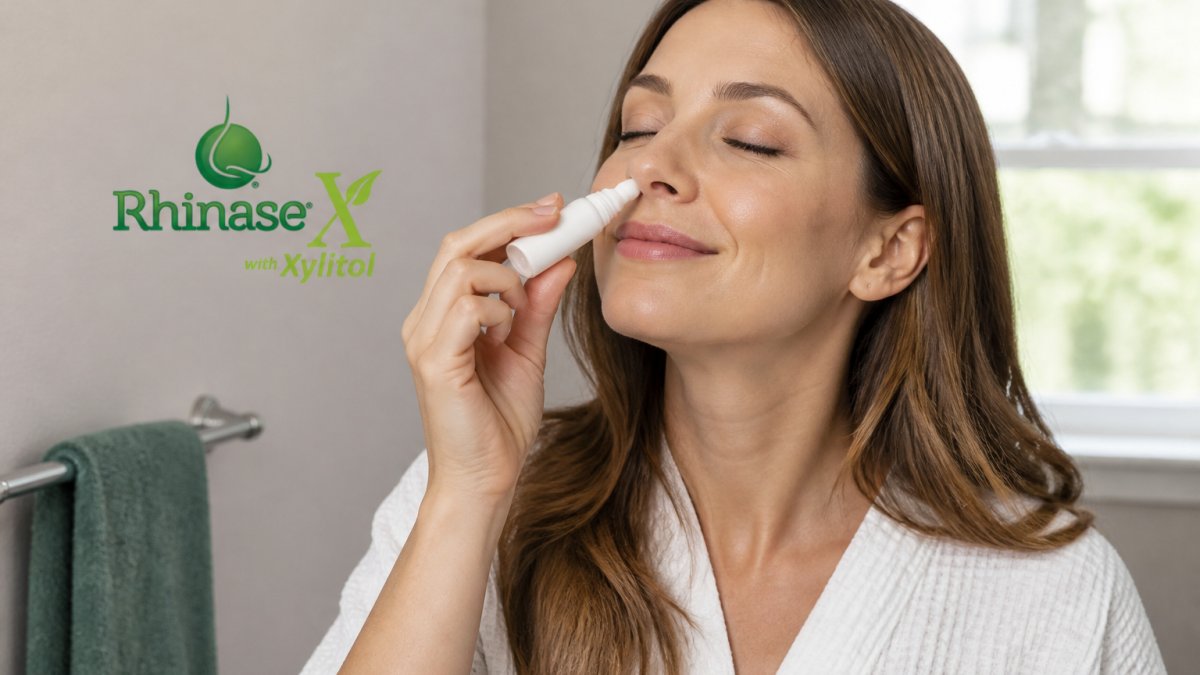
Dual-salt nasal moisturizers restore the moisture your passages need. Unlike decongestant sprays that temporarily shrink swollen tissue (and often cause rebound congestion), dual salt nasal moisturizers rehydrate the tissue itself, tackling the underlying problem instead of masking symptoms.

Relief is noticeable within minutes: passages feel less raw, itching diminishes, and breathing eases. For chronic dryness, from CPAP machines, oxygen therapy, or environmental factors, consistent hydration prevents the cycle of irritation.
The key insight: you're not treating congestion or inflammation with a dual-salt moisturizer. You're preventing the dryness that causes those problems in the first place. Prevention is more effective than treatment.
Managing Congestion, Allergies, and Environmental Irritants
Congestion often stems from irritated, dry nasal tissue. Without adequate moisture, the mucosa swells in response to irritants like pollen, dust, pet allergens, and pollution, narrowing your airway.
Dual-salt nasal moisturizers work differently: by hydrating and soothing the mucosa, they reduce the inflammatory response to allergens and irritants.
For allergy sufferers this is particularly valuable. The nasal passages are your first defense against airborne allergens: a well-hydrated mucosa traps pollen and dust more effectively and produces mucus more efficiently to clear irritants.
Environmental irritants, chlorine, salt air, dry desert conditions, and pressurized cabin air, all trigger nasal dryness and irritation. Swimmers and frequent travelers turn to dual-salt moisturizers for this reason: the formulation protects nasal passages against these stressors while keeping tissue hydrated and functional.
How Often to Use Saline Nasal Spray
Frequency depends on your situation, but most people benefit from using a nasal moisturizer 2-4 times daily. Those with severe dryness or who use equipment like CPAP machines may need 5-6 applications daily.
Morning and evening applications are standard; many people add a midday application in dry, heated, or air-conditioned environments. For seasonal allergies, using a dual-salt moisturizer before and after allergen exposure can reduce symptom severity.
Dual-salt formulations are non-habit-forming and safe for daily use.
| Use Case | Recommended Frequency | Best Timing |
|---|---|---|
| General dryness | 2-3 times daily | Morning, evening, midday if needed |
| Chronic dryness | 4-6 times daily | Morning, midday, evening, plus as needed |
| CPAP/oxygen therapy users | 4-6 times daily | Before/after equipment use |
| Allergy sufferers | 3-4 times daily | Before allergen exposure, morning, evening |
| Post-nasal drip | 3-4 times daily | Morning, midday, evening, bedtime |
| Swimming | 1-2 times after use | Immediately after and before bed |
How to Use Saline Nasal Spray Safely
Correct application maximizes benefits and minimizes irritation risk.
For sprays, tilt your head slightly forward, insert the nozzle into one nostril, and gently press while breathing in through your nose. Repeat on the other side.
For gels, apply a small amount into each nostril with the applicator and gently massage the outside of your nose to distribute it. Gels stay in place longer than sprays, providing extended hydration.
Always wash your hands before application and never share your spray or gel bottle. Clean spray nozzles weekly with warm water and let them air dry; follow the manufacturer's instructions for gel applicators.
Some people experience mild stinging with a new product; this usually subsides within a few applications as nasal tissue adjusts. If stinging persists or worsens, discontinue use and consult a healthcare provider. The pH-balanced formulations are designed to minimize this reaction, but individual sensitivity varies.
Why Dual Salt Moisturizers Work Better for Specific Conditions
Not every dry nose needs the same format. Sprays, gels, and rinses deliver moisture differently, last different lengths of time, and suit different triggers. Choosing by symptom and setting gets better results than defaulting to whatever bottle is on the shelf.
A practical format guide
| Format | Best for | Typical duration of relief | Notes |
|---|---|---|---|
| Saline spray | Quick moisture, mild dryness, on-the-go use | Short, often under an hour | Easy to reapply; good for a midday refresh in dry offices or during travel |
| Dual-salt moisturizing spray | Daily dryness, allergy-season maintenance, post-equipment use | Longer than plain saline | Wetting agents help it spread and linger; portable |
| Nasal gel | Overnight dryness, nosebleed prevention, very dry climates | Longest of the topical options | Stays in place; apply with a clean applicator and massage the outside of the nose |
| Saline rinse (neti pot or squeeze bottle) | Congestion, thick mucus, allergy flushing | Varies; used as a session, not a touch-up | Requires distilled, sterile, or previously boiled water and diligent device cleaning |
A common pattern: spray during the day, gel at bedtime, when mouth-breathing and heated indoor air dry the nose most. Rinses are a separate tool, useful for clearing mucus and allergens, but not a substitute for a moisturizer you can use discreetly at your desk.
Dry indoor air and seasonal swings
Heated winter air and air-conditioned summer air both pull moisture from the nasal lining. Running a humidifier and using a dual-salt moisturizer 2 to 3 times daily is a reasonable routine; add a gel at night if you wake with a raw or crusted nose. During high-pollen stretches, a moisturizer used before outdoor exposure supports the mucosa's role as a first-line filter.
Oxygen and CPAP users
Pressurized airflow dries nasal passages quickly, and irritation is a common reason people abandon therapy. Applying a water-based dual-salt moisturizer before mask use, and again after, is a widely used comfort measure. Check with your equipment provider or clinician about compatibility with your mask and humidifier settings; do not apply anything oil-based near oxygen equipment.
Travel and pressurized cabins
Cabin air is dry, and long flights compound it. A travel-size dual-salt spray used before boarding and midway through the flight is a simple preventive step. The same logic applies to dry desert climates, high-altitude stays, and long stretches in recirculated office air.
Nosebleed prevention and post-nasal drip
Dry, fragile nasal tissue is a common contributor to recurrent nosebleeds, especially in children and in dry seasons. Consistent daily moisturizing, gel at night, spray during the day, supports the mucosa and reduces crusting. For post-nasal drip driven by irritation, restoring hydration can normalize mucus production over time; consistency matters more than any single application.
When to seek medical advice
These products are non-medicated comfort measures, not treatments for infection or structural problems. See a clinician if you have bleeding that will not stop, facial pain or fever, symptoms lasting more than 10 to 14 days, one-sided symptoms, or dryness that persists despite consistent use. Avoid nasal products after recent nasal surgery or with a severe active infection unless your clinician approves.
Clinical guidance on nasal moisturizer efficacy for specific conditions supports saline-based moisturizers as adjunctive care for dryness and rhinitis symptoms, particularly for people using medical equipment or managing chronic irritation.
Match the format to the trigger: spray for daytime touch-ups, gel for overnight and nosebleed prevention, rinse for congestion and allergen clearing. Dual-salt formulations add longer-lasting moisture and better tolerability to that routine, but they work best as part of a consistent daily habit, not a one-off fix.
Frequently Asked Questions
What are the benefits of a dual-salt nasal moisturizer?
Dual salt nasal moisturizers combine sodium and potassium salts to hydrate nasal passages more effectively than standard saline solutions. They maintain natural moisture balance, reduce irritation from dry air and environmental factors, and help clear mucus without medication. The dual-salt formulation with added wetting agents provides sustained relief for dryness, congestion, and allergy symptoms while remaining steroid-free and safe for daily use.
How often should I use nasal saline gel?
Most people can safely use nasal saline gel multiple times daily, typically 2-4 times per day or as needed for comfort. Since saline moisturizers are non-medicated and non-habit-forming, they can be used throughout the day without concern. Start with once or twice daily and increase frequency based on your symptoms. For CPAP users or those in very dry environments, more frequent application may be necessary. Always follow product instructions and consult your doctor if you need guidance on your specific situation.
Is there a downside to using saline nasal spray?
Saline nasal sprays are generally safe with minimal downsides when used as directed. They don't cause dependency, rebound congestion, or the dryness associated with decongestant sprays or steroids. However, improper technique can reduce effectiveness, and contaminated applicators may introduce bacteria. Using expired products or failing to clean the spray nozzle regularly may increase infection risk. Formulations with balanced pH (6.2) minimize stinging or irritation. When chosen carefully, saline moisturizers offer reliable relief without significant drawbacks.
Can I use a nasal moisturizer alongside steroid medications?
Yes, dual salt nasal moisturizers are safe to use with steroid medications and won't interfere with their effectiveness. Many people combine them for enhanced relief: steroids address inflammation while moisturizers provide hydration and comfort. The balanced pH of formulations like Rhinase Nasal Gel (pH 6.2) ensures compatibility. Always consult your healthcare provider before combining treatments, especially if you have specific medical conditions. This combination approach is particularly helpful for allergy sufferers seeking comprehensive symptom management without increasing medication doses.