

Best Essential Oils for Post Nasal Drip Relief
Table of Contents
- How Essential Oils Work for Post Nasal Drip
- Top Essential Oils for Nasal Congestion and Drainage
- How to Stop Post Nasal Drip Naturally with Essential Oils
- Xylitol Nasal Spray Benefits for Post Nasal Drip
- Safe Use of Essential Oils for Nasal Passages
- When to See a Doctor About Post Nasal Drip
- Other Natural Remedies and Complementary Approaches
- Frequently Asked Questions
Last Updated: September 23, 2026
How Essential Oils Work for Post Nasal Drip
The best essential oils for post nasal drip address this condition through multiple mechanisms that target the root causes of congestion and drainage. When you experience post nasal drip, excess mucus production or impaired drainage from your nasal passages and sinuses creates that uncomfortable sensation of fluid dripping down your throat. Essential oils like eucalyptus and peppermint contain compounds such as 1,8-cineole and menthol that help reduce nasal inflammation, thin mucus, and promote better mucociliary clearance, the body's natural process for moving mucus out of the nasal passages.
The anti-inflammatory and antibacterial properties of certain essential oils make them particularly effective for addressing congestion. When nasal passages become inflamed due to allergies, viral infections, or environmental irritants, the tissue swells and restricts airflow. Essential oils work by soothing this inflammation and supporting your nasal mucosa's natural healing response. Many people seeking relief from post nasal drip prefer natural, drug-free options that don't carry the side effects of steroid sprays or decongestants.
Top Essential Oils for Nasal Congestion and Drainage
Eucalyptus Oil
Eucalyptus oil stands out as one of the most researched essential oils for respiratory comfort. The primary active compound, 1,8-cineole, acts as a natural decongestant that helps open nasal passages and reduce the sensation of a stuffy nose. This oil is particularly useful when post nasal drip stems from sinus congestion rather than allergies alone.
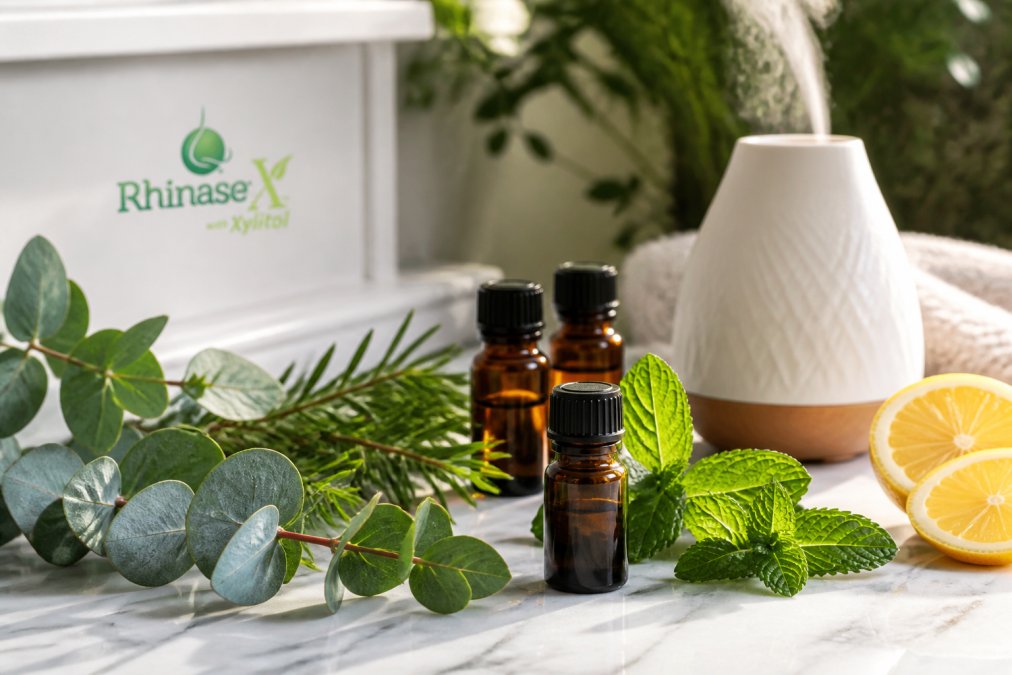
When using eucalyptus oil, dilution is critical. Never apply undiluted essential oil directly to nasal passages or skin, this can cause irritation. Instead, add 2-3 drops to a carrier oil or use it in a steam inhalation method. Many people find that inhaling eucalyptus vapor provides rapid relief from nasal congestion, often within minutes of exposure.
Peppermint Oil
Peppermint oil contains menthol, which creates a cooling sensation that makes breathing feel easier even when congestion hasn't fully cleared. This psychological effect combined with mild anti-inflammatory properties makes peppermint a popular choice for post nasal drip relief. The oil also supports healthy sinus function and may help reduce the urge to constantly clear your throat.
The versatility of peppermint oil is a major advantage. You can use it in a diffuser, add it to steam inhalation, or dilute it with a carrier oil for topical application. However, peppermint oil is potent, always use conservative amounts and perform a patch test before applying to skin. Some people experience sensitivity to menthol, so start with small quantities to assess your individual tolerance.
Tea Tree Oil
Tea tree oil brings strong antibacterial and antifungal properties to nasal care. If your post nasal drip involves bacterial infection or if you're prone to sinus infections, tea tree oil may provide additional support beyond simple congestion relief. The oil's natural compounds help reduce bacterial colonization in nasal passages while supporting the immune response.
Because tea tree oil is one of the strongest essential oils, it requires careful dilution. Never use it undiluted on nasal passages or skin. A typical dilution ratio for topical application is 2-3 drops of tea tree oil per tablespoon of carrier oil. When used in a diffuser, 3-5 drops in water provides effective airborne benefits without overwhelming your respiratory system.
Lemon Oil
Lemon oil offers a gentler approach to nasal support with its natural antioxidant and mild antimicrobial properties. While less potent than eucalyptus or tea tree oil, lemon oil is well-tolerated by most people and works well for those with sensitive nasal passages. The oil also supports lymphatic drainage, which may help reduce post nasal drip by improving overall fluid movement in the upper respiratory tract.
Lemon oil's pleasant scent makes it particularly suitable for extended use in a diffuser. You can safely diffuse lemon oil for several hours daily without the intensity of stronger oils. For those new to essential oils or with sensitive skin, lemon oil provides an excellent starting point before moving to more potent options.
How to Stop Post Nasal Drip Naturally with Essential Oils
Steam Inhalation Method
Steam inhalation represents the most direct way to deliver essential oil benefits to your nasal passages and sinuses. This method involves inhaling warm, moist air infused with essential oil vapors, which helps loosen mucus, reduce inflammation, and promote drainage. The warmth itself provides relief by relaxing nasal tissues, while the essential oil compounds penetrate deep into congested passages.
To perform steam inhalation with the best essential oils for post nasal drip: boil water in a pot, remove from heat, and add 3-5 drops of your chosen essential oil. Lean over the pot with a towel draped over your head to trap the steam, and breathe deeply through your nose for 5-10 minutes. Perform this treatment 1-2 times daily, preferably in the evening or whenever congestion feels worst. The steam inhalation method works quickly, often providing relief within the first session.
Diffuser Application
Using an essential oil diffuser provides continuous, gentle exposure to therapeutic compounds without the intensity of direct inhalation. Diffusers disperse tiny oil particles into the air, allowing you to breathe them naturally as you move about your home. This method works particularly well for managing chronic post nasal drip throughout the day.
Rhinase X Combo Pack - Nasal Gel (30g) →
Add water to your diffuser according to manufacturer instructions, then add 3-5 drops of essential oil.
Topical Application with Carrier Oils
Topical application allows you to apply diluted essential oils directly to the external nasal area and surrounding tissues. This method delivers concentrated benefits to the exact area where you need relief. Common carrier oils for this purpose include coconut oil, jojoba oil, and sweet almond oil, each offering their own moisturizing benefits.
Xylitol Nasal Spray Benefits for Post Nasal Drip
Xylitol represents a natural alternative to traditional saline solutions for managing post nasal drip. This naturally occurring sugar alcohol works by enhancing the body's ability to moisturize nasal passages while actively inhibiting bacterial adhesion to nasal walls. Unlike antibiotic or steroid-based treatments, xylitol supports the nasal passages' natural defense mechanisms.
Safe Use of Essential Oils for Nasal Passages
Dilution Ratios and Patch Testing
Proper dilution is non-negotiable when using essential oils near sensitive nasal tissues. A standard dilution ratio for topical application is 2-3 drops of essential oil per tablespoon (15ml) of carrier oil, which creates approximately a 1-2% dilution. For facial application around the nose, some practitioners recommend an even more conservative 1% dilution (1 drop per tablespoon of carrier oil).
Pediatric Safety and Age Considerations
Essential oil safety for children requires special attention. Young children have more permeable skin, smaller body mass, and developing detoxification systems that process compounds differently than adults. For children under age 6, avoid topical application of essential oils entirely and use diffusers only in well-ventilated spaces with 1-2 drops maximum.
Interactions with Common Medications
Essential oils can interact with certain medications, particularly those affecting the nervous system or blood clotting. If you take prescription medications for asthma, blood pressure, blood thinning, or seizure management, consult your healthcare provider before using essential oils therapeutically. Some oils may enhance or reduce medication effectiveness.
When to See a Doctor About Post Nasal Drip
Persistent post nasal drip lasting more than two weeks warrants medical evaluation. While many cases resolve with home care and natural remedies, some indicate underlying conditions requiring professional diagnosis. Your doctor can identify whether post nasal drip stems from allergies, sinus infection, acid reflux, medication side effects, or structural issues.
Other Natural Remedies and Complementary Approaches
Beyond essential oils, several evidence-based natural approaches support post nasal drip relief. Staying well-hydrated by drinking adequate water helps thin mucus and supports the body's natural drainage mechanisms. Many people find that increasing water intake provides noticeable improvement within 24-48 hours.
Frequently Asked Questions
What essential oil breaks up mucus most effectively?
Eucalyptus oil, containing 1,8-cineole, is widely recognized for its mucolytic properties, it helps thin and mobilize mucus production in the nasal passages. Peppermint oil with menthol content also provides respiratory relief by supporting mucociliary clearance. Both work best when diluted properly with a carrier oil and applied via steam inhalation or diffuser to avoid irritation to the nasal mucosa.
Is it safe to use essential oils for chronic nasal irritation?
Essential oils can support comfort for chronic nasal irritation, but safety depends on proper dilution and application method. Never apply undiluted oils directly to nasal passages, this risks sensitization and phototoxicity. Steam inhalation and diffuser use are safer for daily use. If you have ongoing nasal inflammation or are using medications, consult an ENT specialist before starting essential oil therapy. Patch testing is recommended before any topical application.
What are the benefits of xylitol nasal spray for post nasal drip?
Xylitol nasal spray benefits include antimicrobial action that prevents bacteria from adhering to nasal walls, reducing secondary infections. It enhances the moisturizing process by supporting natural hydration of the nasal mucosa and helps restore mucociliary clearance, the body's natural drainage system. Unlike steroid sprays, xylitol-based products like Rhinase X offer drug-free relief without rebound congestion, making them suitable for long-term use and safe for children.
How do you safely use essential oils for sinus relief?
Safe application requires proper dilution: mix 2-3 drops of essential oil with a carrier oil (coconut, jojoba, or sesame oil) before any topical use. For steam inhalation, add 2-3 drops to hot water and breathe in the vapor for 5-10 minutes. Use a diffuser for ambient aromatherapy. Always perform a patch test first to check for sensitization. Avoid applying oils directly inside nasal passages, and keep essential oils away from children's reach. If irritation occurs, discontinue use immediately.