

How to Treat Nasal Vestibulitis at Home
Table of Contents
- What Nasal Vestibulitis Is and Why It Happens
- Recognizing Nasal Vestibulitis Symptoms
- Step-by-Step Home Treatment for Nasal Vestibulitis
- Dry Skin Inside Nose Treatment and Prevention
- Nasal Vestibulitis Healing Time and Recovery
- When to See a Doctor for Nasal Vestibulitis
- What Not to Do: Mistakes That Delay Healing
- Frequently Asked Questions
Last Updated: October 15, 2026
What Nasal Vestibulitis Is and Why It Happens
Nasal vestibulitis is an infection of the nasal vestibule, the small area just inside your nostrils. It's uncomfortable and sometimes painful, but you can treat nasal vestibulitis at home with the right approach.
The nasal vestibule is delicate. It contains hair follicles and skin that can become irritated or infected. When bacteria get into this area, usually through picking, plucking, or minor cuts, infection develops. The most common culprit is Staphylococcus aureus, a bacterium that lives on your skin.
Causes and Bacterial Infection
Several things can trigger nasal vestibulitis. Nose hair plucking is one of the biggest causes. When you pluck hairs, you create tiny wounds. Bacteria enter through these openings. Picking at your nose, even gently, can do the same thing.
Other common causes include:
- Dry skin inside the nose that cracks and bleeds
- Harsh nasal environments from low humidity
- Irritation from CPAP or oxygen therapy equipment
- Aggressive nose blowing or wiping
- Minor cuts from nasal hair removal
Once bacteria enter, your body's immune response kicks in. This causes redness, swelling, and tenderness. The infection can progress from mild irritation to a painful boil-like sore if left untreated.
Recognizing Nasal Vestibulitis Symptoms
Symptoms start mild and can worsen quickly. Early signs include itching, tenderness, or a slight burning sensation inside your nostril. You might notice mild redness around the opening.
As the infection develops, you'll see:
- Visible redness and swelling at the nostril entrance
- Pain or tenderness when touching the area
- Crusting or scabbing inside the nostril
- Mild bleeding if the crust breaks
- A pimple-like bump or small boil forming
- Itching that's hard to ignore
Some people describe it as feeling like a sore or pimple inside the nose. Others say it feels raw and irritated.
Mild symptoms might include just slight redness and tenderness. Severe cases involve significant swelling, pain, and drainage. Don't wait for severe symptoms to appear, start treating it as soon as you notice the early signs.
Step-by-Step Home Treatment for Nasal Vestibulitis
Home care works best for mild, clearly superficial irritation at the nostril rim. Before you start to treat nasal vestibulitis, draw a line between two different things: comfort measures you can do on your own, and treatment that depends on a clinician's diagnosis. Warm compresses, gentle cleaning, and moisturizing are comfort measures. Antibiotic ointments, especially prescription ones like mupirocin, are treatment, and they should be used only when a clinician has confirmed a bacterial infection and told you which product to use.
Step 1: Clean the Area Gently
Wash your hands thoroughly with soap and water before and after touching your nose. This single step prevents most of the self-inoculation that keeps these infections going.
Rinse the area with warm water and a clean cloth. Do not scrub, pick, or squeeze. Pat dry with a clean tissue, don't rub.
A gentle saline rinse can clear debris without irritating the skin. Keep the water warm, not hot. Avoid alcohol-based or medicated sprays, which sting and dry the tissue further.
Step 2: Apply Topical Antibiotic Ointment (Only If a Clinician Has Directed It)
When a clinician has confirmed a bacterial infection, a topical antibiotic is the foundation of treatment. Common options include over-the-counter bacitracin or prescription mupirocin.
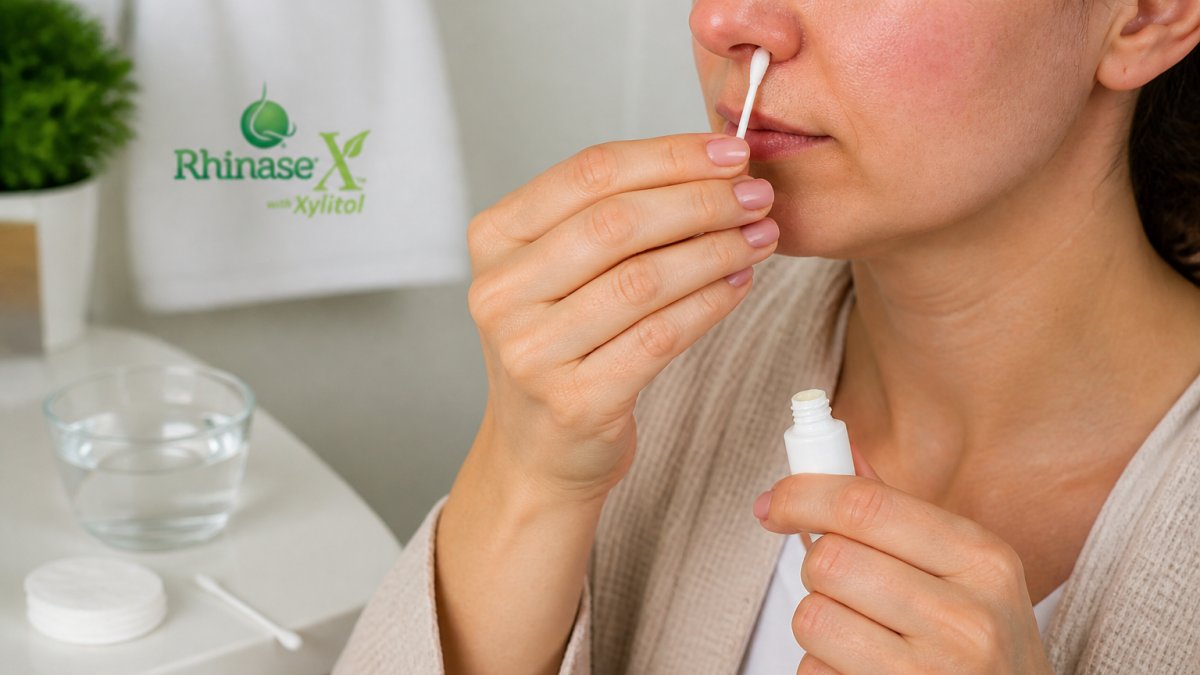
Apply a small amount to a clean cotton swab. Gently coat the affected area inside the nostril with a thin layer.
Follow the frequency and duration your clinician gives you, typically 2-3 times daily. Finish the full course even if it looks better. Stopping early is one of the most common reasons the infection returns.
Step 3: Use Warm Compresses
Warm compresses are a comfort measure you can use freely. The warmth increases blood flow to the area, which supports your body's own immune response and eases pain.
Apply a warm (not hot) washcloth to the outside of your nose for 10-15 minutes, 3-4 times daily. Use a clean cloth each time to avoid introducing new bacteria. A warm compress is especially helpful when the area feels swollen or tender.
Step 4: Moisturize and Protect
Dry, cracked skin is what lets bacteria in, so keeping the area moisturized is part of both treatment and prevention. After any antibiotic ointment has absorbed, apply a thin layer of plain petroleum jelly or a fragrance-free nasal moisturizer.
Avoid petroleum jelly if you use oxygen therapy or CPAP, since it can be a fire risk around oxygen, ask your equipment provider or clinician about a water-based alternative.
Dry Skin Inside Nose Treatment and Prevention
Dry skin is often the root cause of nasal vestibulitis. When the nasal passages lack moisture, the skin cracks. These tiny cracks become entry points for bacteria.
Environmental factors like low humidity, heating systems, and dry climates all contribute. CPAP and oxygen therapy users face extra dryness challenges.
To treat existing dryness:
- Use a humidifier in your bedroom at night
- Apply saline rinse or mist 2-3 times daily
- Moisturize with a specialized nasal gel or ointment
- Drink plenty of water to support overall hydration
- Avoid harsh nasal sprays that can dry you out further
Prevention is simpler than treatment. Products containing xylitol, like the Xynase Natural Saline Nasal Spray with Xylitol, help prevent bacteria from adhering to nasal walls while providing long-lasting moisture.

Nasal Vestibulitis Healing Time and Recovery
Most mild cases of nasal vestibulitis heal within 7-10 days with proper home treatment.
Healing happens in stages. First, the pain and tenderness decrease. Then the redness fades. Finally, any crusting or scabbing resolves.
Severe cases may take 2-3 weeks. If you're not seeing improvement after 10 days, see a doctor.
During recovery, avoid picking or touching the area. Let it heal undisturbed. Picking restarts the infection cycle and delays recovery. Keep the area clean and moisturized.
When to See a Doctor for Nasal Vestibulitis
Most mild cases respond to careful home care. But the nasal vestibule drains into veins that connect to the cavernous sinus, a blood-collecting space near the brain. That anatomy is why an infection here can, in rare cases, spread quickly and become serious. Knowing the specific escalation triggers matters more than a vague "see a doctor if it gets worse."
Red Flags That Require Medical Attention
Seek care the same day, urgent care or your clinician, if you notice any of the following:
- Spreading redness or swelling that moves beyond the nostril rim onto the cheek, upper lip, or around the eye
- Fever, chills, or feeling systemically ill
- Severe pain that doesn't ease with warm compresses or over-the-counter pain relievers
- Swelling that blocks your nostril or makes breathing through that side difficult
- Vision changes, eye pain, or swelling around the eye, these are emergency signs and warrant immediate care
- Severe headache, neck stiffness, or confusion, go to an emergency department
- Pus or significant drainage that keeps coming back
- No improvement after 7-10 days of appropriate home care
- Recurrent infections that keep returning after healing
Telling Vestibulitis Apart from Look-Alikes
Not every sore inside the nose is vestibulitis, and the wrong treatment can make things worse.
- Cold sores (herpes simplex), usually a cluster of small, fluid-filled blisters that tingle before they appear. Antibiotics won't help; antiviral treatment is different.
- Acne or a boil, a blocked pore or hair follicle, often with a visible whitehead. Squeezing it can push infection deeper.
- Allergic or irritant rhinitis, itching, sneezing, and clear discharge without a focal sore or crust. Treated with antihistamines or allergen avoidance, not antibiotics.
- Sinusitis, pressure and pain behind the cheeks, eyes, or forehead, often with thick discharge and congestion. It's a different diagnosis with a different treatment path.
- Nasal vestibulitis, a focal, tender, red area at the nostril rim, often with crusting or a small boil-like bump.
If you're not sure which one you have, that uncertainty is itself a reason to get evaluated.
Oral or Systemic Antibiotics When Needed
If topical treatment and home care aren't enough, a clinician may prescribe oral antibiotics. These are typically considered when:
- The infection spreads beyond the vestibule
- There are signs of cellulitis (spreading redness and swelling)
- You have a fever or feel systemically ill
- The infection recurs despite proper home care
- You have a weakened immune system or diabetes
Your clinician will choose an antibiotic active against Staphylococcus aureus. Take the full course as prescribed, even if you feel better. Stopping early can lead to recurrence or resistance.
Expected Recovery and Follow-Up
With appropriate treatment, most mild cases improve within 3-5 days and resolve within 7-10 days. More severe cases can take 2-3 weeks. Treatment duration depends on what your clinician prescribes, don't shorten or extend it on your own.
If you're not improving by the end of the expected window, or if symptoms worsen at any point, follow up for reassessment. Recurrent episodes may warrant evaluation for underlying causes such as nasal S. aureus carriage, structural issues, or an immune condition.
What Not to Do: Mistakes That Delay Healing
Certain habits make nasal vestibulitis worse or prevent healing. Avoid these common mistakes.
Don't pluck nose hair until the infection is completely healed.
Don't use harsh nasal sprays or decongestants.
Don't apply heavy makeup or sunscreen directly over the sore.
Don't ignore warning signs. Spreading redness, fever, or severe pain need professional attention.
Don't skip moisturizing. Even after the infection clears, keep the area hydrated. Dryness leads to recurrence.
Nasal vestibulitis is uncomfortable, but home treatment works when done correctly.
If you're prone to dryness or recurrent infections, prevention is your best strategy. The Rhinase Nasal Care Combo Pack pairs both gel and mist for comprehensive moisture and protection, making it ideal for those seeking steroid-free relief.

Frequently Asked Questions
Can nasal vestibulitis be treated at home?
Yes, mild cases of nasal vestibulitis can often be managed at home with topical antibiotic ointment, warm compresses, and gentle nasal hygiene. Most infections caused by Staphylococcus aureus respond well to these treatments within 7-10 days. However, if symptoms worsen, spread, or show signs of systemic infection, you should see a doctor. Severe cases may require oral antibiotics prescribed by a healthcare provider.
What can I put inside my nose for nasal vestibulitis?
Apply topical antibiotic ointment like bacitracin or mupirocin directly to the affected area inside the nostril. After the infection clears, use a moisturizing nasal gel or saline spray to prevent recurrence and reduce crusting. Products like **Rhinase Allergy Relief Lubricating Nasal Gel - Dual Salt, Steroid-Free Formula for Moisture & Comfort | Ideal for Swimmers and CPAP or oxygen therapy users | Safe for Children | 1 oz** ($18.32) contain two wetting agents in addition to two types of salt that allow the nasal cavity to be moisturized efficiently, and are steroid-free, making them ideal for sensitive noses and CPAP users.
How long does nasal vestibulitis take to heal?
Mild nasal vestibulitis typically heals within 7-14 days with consistent home treatment. Some cases resolve faster if you start antibiotic ointment early and avoid picking or irritating the area. Severe infections or those requiring oral antibiotics may take 2-3 weeks to fully resolve. Even after visible symptoms disappear, continue gentle moisturizing for several days to prevent scabbing and recurrence.
When should I see a doctor for nasal vestibulitis?
Seek medical evaluation if symptoms persist beyond 10 days despite home treatment, if redness or swelling spreads to your cheek or eye area, if you develop fever or signs of systemic infection, or if bleeding or severe pain occurs. Also see a doctor if you have recurrent nasal vestibulitis or if the infection appears to involve a boil or furuncle. A healthcare provider can prescribe oral antibiotics or drain an abscess if needed.