

Best Nasal Sprays for Post Nasal Drip Relief
Table of Contents
- Understanding Post Nasal Drip and Nasal Spray Solutions
- Quick Comparison: Top Nasal Sprays for Post Nasal Drip Relief
- Saline Nasal Spray for Mucus: How It Works
- Steroid Nasal Sprays vs. Drug-Free Alternatives
- How to Stop Post Nasal Drip Naturally
- When to See an ENT for Post Nasal Drip
- Proper Nasal Spray Technique for Maximum Relief
- Conclusion
Last Updated: August 20, 2026
Understanding Post Nasal Drip and Nasal Spray Solutions
Post-nasal drip occurs when excess mucus production in the nasal passages drains down the back of the throat, creating discomfort, throat clearing, and congestion. This condition stems from inflammation in the nasal mucosa, often triggered by allergies, upper respiratory infections, or environmental irritants. A nasal spray for post nasal drip relief works by reducing inflammation, thinning mucus, or moisturizing the nasal passages to prevent drainage.
Steroid nasal sprays offer powerful relief but come with side effects like rebound congestion and nasal dryness if overused. Drug-free alternatives like saline sprays and xylitol-based formulations provide gentler, sustainable relief without those risks. At Profounda Health & Beauty, we've focused on developing steroid-free solutions that address the root cause: nasal dryness and inflammation that trigger excess mucus production.
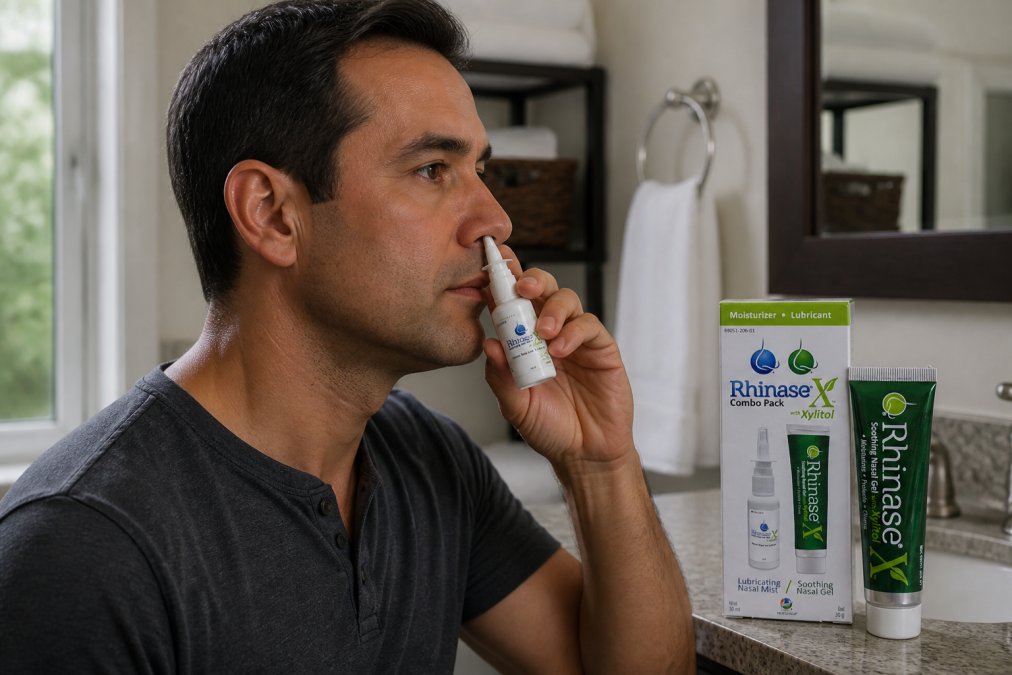
Understanding the difference between spray types helps you select the right solution. Some sprays target inflammation, others hydrate dry passages, and still others thin mucus for easier drainage. Many people find relief using both a spray and a gel together.
Quick Comparison: Top Nasal Sprays for Post Nasal Drip Relief
| Product | Type | Starting Price | Best For | Key Feature |
|---|---|---|---|---|
| Rhinase X Combo Pack | Dual spray + gel | $26.95 | Complete upper/lower relief | Dual wetting agents + xylitol |
| Rhinase X Nasal Mist | Steroid-free spray | $17.00 | Daily maintenance | Hypotonic formula with potassium |
| Rhinase X Nasal Gel | Steroid-free gel | $18.12 | Lower passage relief | Natural xylitol moisturizer |
| Xynase Natural Saline | Xylitol spray | $11.79 | Budget-conscious users | All-natural, kosher formulation |
| Rhinase Lubricating Mist | Saline spray | $17.00 | Allergies + nosebleeds | pH-balanced at 6.2 |
Our Top Pick: Rhinase X Combo Pack addresses both upper and lower nasal passages simultaneously. The combination of spray and gel, enhanced with natural xylitol and dual wetting agents, delivers relief where other single-product solutions fall short. Most users report noticeable improvement within 2-3 days of consistent use, without the rebound congestion that steroid sprays can cause.

The dual-salt composition (sodium and potassium) works with your body's natural moisture control at the cellular level. Unlike products that contain only xylitol, Rhinase X includes the necessary wetting agents and dual salts for optimal results.
Saline Nasal Spray for Mucus: How It Works
A saline nasal spray for post nasal drip relief works by delivering salt-water solution directly to inflamed nasal passages, reducing swelling and thinning mucus so it drains more easily. Salt draws fluid into the nasal mucosa through osmosis, hydrating dry tissues and helping your body's natural clearance system function properly.
Standard isotonic saline (0.9% salt concentration) is gentle enough for daily use. Some sprays use hypotonic formulations (lower salt concentration), which provide deeper hydration by drawing more fluid into the tissues. Rhinase X uses a hypotonic approach combined with both sodium and potassium, which naturally moisturizes the nasal passages more efficiently than sodium alone.

Saline sprays are more convenient for daily maintenance than irrigation and work well for post-nasal drip specifically. The spray deposits moisturizing agents along the nasal passages where drainage occurs, targeting the problem directly.
Many people find that saline alone isn't enough for post-nasal drip. Xylitol is a natural humectant that binds moisture to nasal tissues, providing longer-lasting hydration than saline alone. According to research on xylitol in nasal care, xylitol also helps reduce bacterial adhesion to nasal walls, which can prevent secondary infections that worsen congestion.
Steroid Nasal Sprays vs. Drug-Free Alternatives
Steroid nasal sprays like fluticasone and mometasone are powerful anti-inflammatory medications that reduce swelling in the nasal mucosa, making them highly effective for allergic rhinitis and severe post-nasal drip. However, they come with trade-offs that matter for long-term use.
The primary concern with steroid sprays is rebound congestion, where stopping the spray triggers worse congestion than before you started. Additionally, steroid sprays can cause local nasal dryness, nosebleeds, and in rare cases, systemic side effects with prolonged use. Many users report that after months of steroid spray use, their nasal passages feel more irritated.
Drug-free alternatives like Rhinase X work differently. Instead of suppressing inflammation, they hydrate the nasal mucosa and support your body's natural mucus clearance. They don't cause rebound congestion, and your nose doesn't become dependent on them. The tradeoff is that they work more gradually than steroids, typically requiring 3-5 days of consistent use before you notice significant relief.
For post-nasal drip specifically, drug-free options often outperform steroids because the problem is often dryness that triggers excess mucus production. When you hydrate the nasal passages properly, your body naturally produces the right amount of mucus, and post-nasal drip resolves on its own.
Many people successfully combine both approaches: using a steroid spray during acute flare-ups, then switching to a drug-free spray like Rhinase X for daily maintenance once symptoms improve.
How to Stop Post Nasal Drip Naturally
Stopping post-nasal drip naturally starts with identifying the root cause. Environmental factors like low humidity, allergen exposure, or irritants from heating and air conditioning systems often trigger excess mucus production. natural air freshener.
Humidity control matters significantly. During winter months when heating systems dry out indoor air, nasal passages become irritated and produce more mucus as a protective response. Running a humidifier to maintain 40-60% humidity levels reduces this trigger substantially.
Hydration plays a crucial role. Drinking adequate water throughout the day helps your body produce thinner, more manageable mucus. When you're well-hydrated, your mucus flows more easily through normal drainage pathways.
Nasal saline irrigation, using a neti pot or squeeze bottle to flush the nasal cavity, is a proven natural approach. According to American Academy of Otolaryngology guidelines, saline irrigation effectively removes allergens, irritants, and excess mucus from nasal passages. Many people perform daily irrigation during allergy season and find it significantly reduces post-nasal drip symptoms.
Avoiding common triggers helps prevent flare-ups. Smoke, strong perfumes, air pollution, and certain foods can trigger mucus overproduction. Dairy products sometimes increase mucus thickness for certain individuals, though this varies by person.
Natural moisturizing sprays containing xylitol provide gentle, chemical-free relief. Xynase Natural Saline Spray with xylitol starts at $11.79 and offers an all-natural option for daily use without prescription requirements or side effect concerns.
When to See an ENT for Post Nasal Drip
You should see an ear, nose, and throat specialist if post-nasal drip persists for more than two weeks despite home treatment and over-the-counter sprays. Chronic post-nasal drip can indicate underlying conditions requiring professional evaluation, such as chronic sinusitis, allergic rhinitis, or structural issues like a deviated septum.
Warning signs that warrant medical attention include: post-nasal drip accompanied by fever, facial pain, or sinus pressure; colored nasal discharge (green, yellow, or bloody); symptoms that worsen despite treatment; or post-nasal drip affecting your quality of life through sleep disruption or chronic throat irritation.
An ENT specialist can perform diagnostic tests like nasal endoscopy to visualize your nasal passages and sinuses, identifying inflammation, polyps, or other structural problems. They can also perform allergy testing if allergic rhinitis is suspected as the cause.
Treatment options your ENT might recommend include prescription-strength steroid sprays, antihistamines for allergic causes, or in some cases, procedures like balloon sinuplasty for chronic sinusitis. However, many ENT specialists now recommend starting with high-quality saline sprays and xylitol-based moisturizers before moving to stronger medications.
Proper Nasal Spray Technique for Maximum Relief
Proper nasal spray technique directly affects how much relief you get. Many people use nasal sprays incorrectly, resulting in medication being swallowed rather than coating the nasal passages where it's needed.
Step 1: Prepare Your Nasal Passages Gently blow your nose to clear excess mucus. If congestion is severe, use saline irrigation first to open your passages. Wait 5-10 minutes before applying medicated sprays.
Step 2: Position Yourself Correctly Stand upright or sit with your head tilted slightly forward. Excessive backward tilt causes spray to run down your throat instead of coating nasal passages.
Step 3: Insert the Spray Nozzle Insert the spray nozzle into one nostril, angling it slightly toward the outer wall of your nose (away from the septum). This directs the spray toward the nasal mucosa rather than down your throat.
Step 4: Activate the Spray Press the pump firmly while breathing in gently through your nose. Gentle inhalation is sufficient to coat your nasal passages.
Step 5: Wait Before Switching Sides After spraying one nostril, wait 30 seconds before spraying the other side. This allows the medication to coat the first side without being diluted by drainage.
Step 6: Avoid Draining Immediately After spraying both sides, keep your head upright for 2-3 minutes. This gives the spray time to coat your nasal passages rather than draining into your throat.
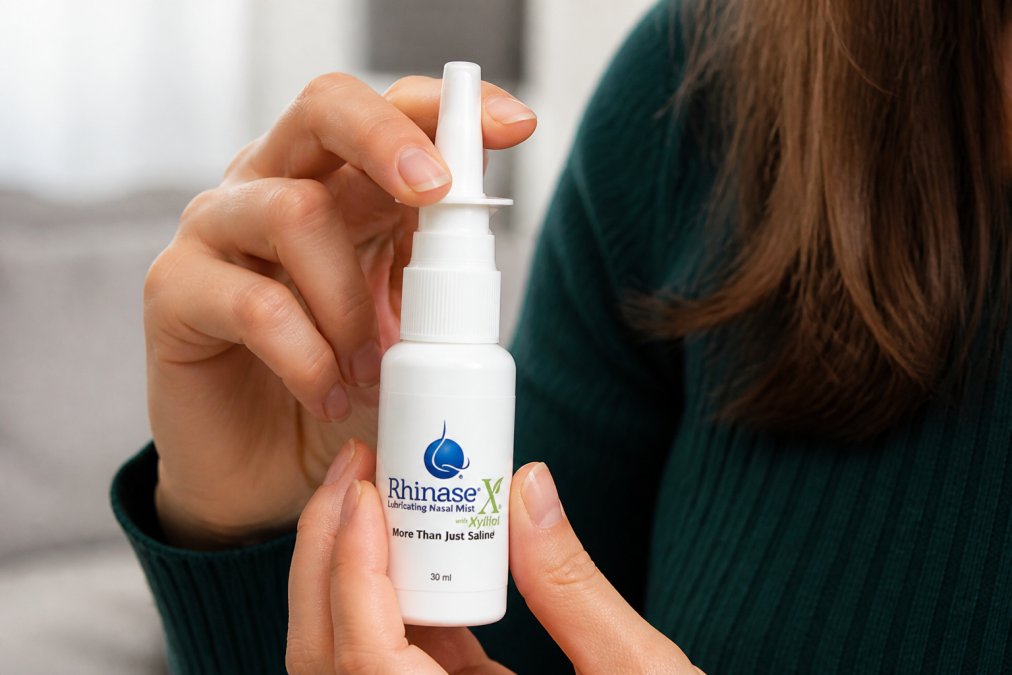
Most metered-dose nasal sprays deliver a consistent amount with each pump, typically 50 microliters. The standard recommendation is one or two sprays per nostril, once or twice daily, depending on the product.
For combo treatments like Rhinase X, apply the spray first to coat upper nasal passages, then apply the gel afterward to moisturize lower passages and ensure comprehensive coverage.

Consistency matters more than perfect technique. Using your nasal spray at the same time each day, typically morning and evening, helps maintain steady relief.
Post-nasal drip doesn't require accepting chronic discomfort or relying on steroid sprays indefinitely. The right combination of saline hydration and natural moisturizers addresses the root cause: nasal dryness and inflammation. Rhinase X Combo Pack combines proven ingredients like xylitol with dual wetting agents and balanced salts to deliver relief where other products fall short. Most users experience noticeable improvement within days, without rebound congestion or dependency concerns. Consult your healthcare provider if symptoms persist beyond two weeks or worsen despite treatment.
Frequently Asked Questions
What nasal spray can help with postnasal drip?
Saline nasal sprays and steroid-free alternatives work best for post nasal drip relief. Products containing xylitol and dual wetting agents help reduce mucus production and soothe inflammation in the nasal passages. For drug-free relief, Rhinase X Nasal Mist ($17.00) combines saline with natural xylitol to address both upper and lower nasal passages. If you prefer a combo approach, the Rhinase X Combo Pack ($26.95) includes both spray and gel for comprehensive coverage.
Can saline nasal mists help with mucus buildup?
Yes, saline nasal spray for mucus works by thinning secretions and moisturizing the nasal mucosa, which reduces the thickness and stickiness of mucus. This makes it easier for your body to clear the buildup naturally. Saline solutions with added ingredients like xylitol provide additional benefits, xylitol has been shown to help prevent bacteria from adhering to nasal walls, reducing overall mucus production. Regular use helps maintain healthy nasal passages and reduces the sensation of post nasal drip.
How do I know if I need to see an ENT for post nasal drip?
See an ENT specialist if post nasal drip persists for more than 3 weeks despite home treatment, causes severe throat pain or hoarseness, involves colored or foul-smelling discharge, or interferes with sleep and daily function. You should also seek care if you experience frequent nosebleeds, facial pressure that suggests sinusitis, or if over-the-counter nasal sprays don't provide relief. An ENT can diagnose underlying causes like allergic rhinitis or chronic sinusitis and recommend prescription treatments if needed.
What makes steroid-free nasal sprays different from steroid options?
Steroid-free nasal sprays like Rhinase X work through moisturizing and soothing rather than reducing inflammation with corticosteroids. They contain wetting agents and saline solutions that hydrate the nasal passages and help clear mucus without the side effects of long-term steroid use, such as nasal dryness or rebound congestion. Steroid-free options are ideal for those seeking gentler relief, parents choosing safer options for children, or anyone wanting to avoid medication dependency. Many users find them effective for mild to moderate post nasal drip symptoms.
This article was written using GrandRanker