

Natural Remedies for Chronic Nasal Dryness
Table of Contents
- Causes of Chronic Dry Nose
- Best Nasal Spray for Dry Nose Relief
- Home Remedies and Moisturizing Techniques
- Preventing Nosebleeds from Dryness
- Managing Nasal Dryness from Medical Equipment
- Avoiding Environmental Irritants
- When to See a Doctor
- Conclusion
Last Updated: August 26, 2026
Causes of Chronic Dry Nose
Chronic nasal dryness stems from multiple sources. The nasal passages contain delicate mucous membranes that require consistent moisture to function properly. When that moisture disappears, irritation follows quickly.
Low humidity is the most common culprit. Indoor heating during winter, air conditioning in summer, and arid climates all pull moisture from nasal passages. Airplane cabins operate at humidity levels around 10-20%, which is why travelers experience severe nasal dryness during flights (faa.gov).
Environmental irritants compound the problem. Smoke, pollution, chlorine, and dust irritate the nasal mucosa and trigger inflammation that disrupts normal mucus production, creating a vicious cycle of dryness and irritation.
Medical equipment causes specific chronic dryness. CPAP machines and oxygen therapy deliver pressurized air directly into nasal passages without the body's natural humidification process. Users frequently report intense dryness, crusting, and nosebleeds as a result.
Medications present another hidden trigger. Antihistamines, decongestants, and certain blood pressure medications reduce mucus production as a side effect. Nasal steroid sprays can paradoxically cause dryness with long-term use.
Dehydration affects nasal moisture from the inside out. When overall fluid intake drops, mucous membranes throughout your body, including nasal passages, suffer. Chronic dehydration creates persistent nasal dryness that topical solutions alone cannot fully resolve.
Allergies trigger inflammation that disrupts normal mucus production. The nasal cavity swells, blood vessels constrict, and mucous gland function declines. Nasal dryness and allergies are often directly connected.
Age plays a role as well. Mucous membranes naturally become less efficient at producing and retaining moisture as we age. Older adults report higher rates of chronic nasal dryness requiring proactive management.
Best Nasal Spray for Dry Nose Relief
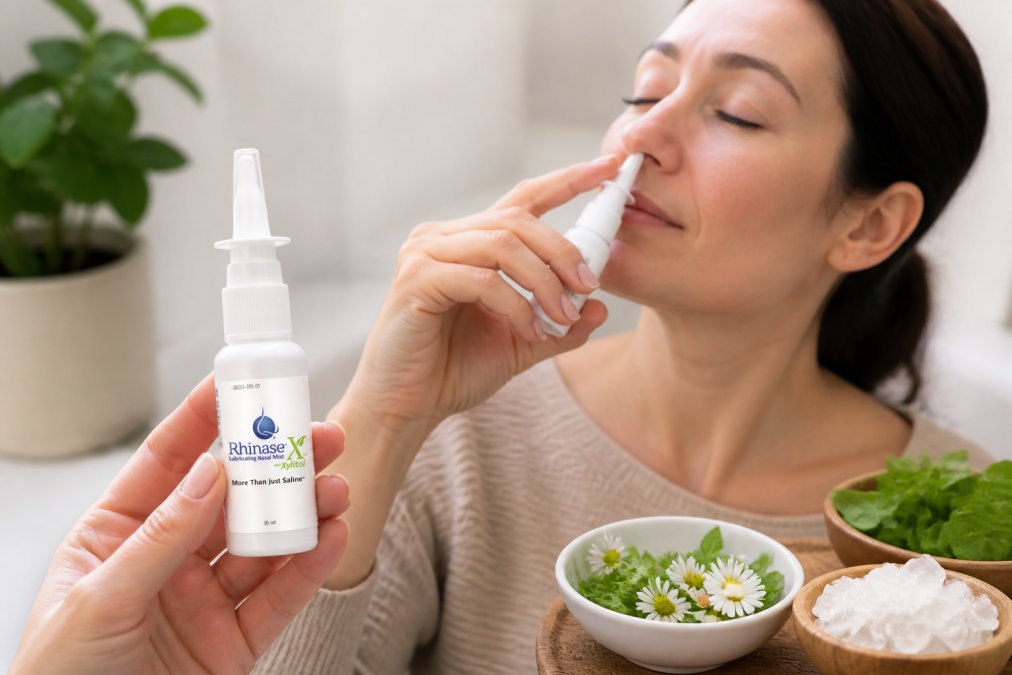
Choosing the right nasal spray makes the difference between temporary relief and lasting comfort. Not all sprays address chronic dryness equally; some merely mask symptoms while others actively restore moisture to nasal passages.
Saline Nasal Sprays and Rinses
Saline solutions form the foundation of most nasal care routines. These salt-water sprays work by physically hydrating the nasal mucosa and clearing away irritants and dried secretions. A saline rinse is gentler than a spray because it delivers moisture under your own control rather than pressurized force.
Saline comes in two formulations: isotonic (matching your body's salt concentration) and hypertonic (higher salt concentration). Isotonic solutions feel gentler and work well for daily maintenance. Hypertonic solutions draw fluid from swollen tissues, making them more effective when congestion accompanies dryness.
The advantage of saline is its simplicity. It contains no medications, no preservatives in many formulations, and no side effects beyond occasional mild stinging. You can use saline sprays multiple times daily without concern about dependency or rebound congestion.
Neti pots and saline rinse bottles offer deeper cleansing than spray alone. These devices allow gravity to flush the entire nasal cavity, removing crusted material and allergens more thoroughly. Many users report this deeper cleansing prevents complications like sinus infections.
Natural Ingredient Options
Natural ingredients address dryness through different mechanisms than plain saline. Xylitol, a naturally occurring sugar alcohol, draws moisture into nasal passages and has mild antimicrobial properties that help prevent secondary infections in dry, damaged tissue.
Aloe vera appears in many nasal moisturizers because of its soothing properties. When choosing an aloe-based product, check the ingredient list for minimal additives.
Sesame oil offers deep moisturization for severely dry nasal passages. Unlike water-based sprays that evaporate, oil-based moisturizers create a protective coating that lasts longer. Many people with CPAP-related dryness find sesame oil particularly effective because it addresses mechanical irritation from pressurized air.
Honey-infused nasal sprays combine hydration with antimicrobial and soothing properties. Honey naturally attracts and holds moisture, making it valuable for chronic dryness. Products like Rhinase X Natural Nasal Mist Spray with Xylitol ($17.00) combine multiple natural ingredients with advanced saline formulations to deliver comprehensive relief without steroids or drugs.

Nasal Nectar Nasal Moisturizer with Real Honey ($15.95) offers genuine honey hydration without unnecessary additives like fragrances or aloe that some find irritating.
Rhinase X Soothing Nasal Gel with Natural Xylitol ($18.12) addresses a specific problem: sprays don't always reach the anterior nostrils where dryness concentrates. The gel formulation allows precise application to the most affected areas and stays in place longer than a spray.
For severe dryness from CPAP use or extreme environmental conditions, All-Natural Nasal Moisturizer Spray with 100% Pharmaceutical Grade Sesame Oil ($15.00) provides the deep, lasting moisture that water-based products cannot match.
Home Remedies and Moisturizing Techniques
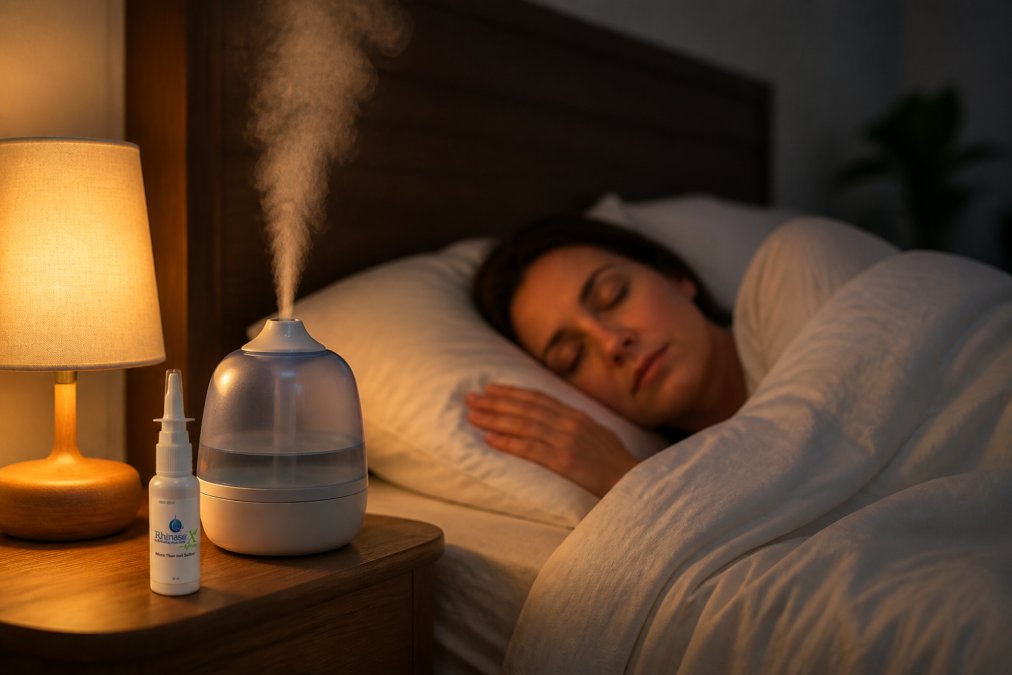
Combining topical treatments with environmental adjustments creates a comprehensive approach to chronic nasal dryness.
Using a Humidifier Effectively
A humidifier adds moisture directly to the air you breathe, addressing dryness at its source. The ideal indoor humidity range is 40-60% (the CDC). Most heated homes drop to 20-30% in winter, which aggressively dries nasal passages.
Ultrasonic humidifiers are quiet and effective but require regular cleaning to prevent mold growth. Cool-mist humidifiers work well for year-round use. Running your humidifier nightly during dry seasons makes a measurable difference.
Position your humidifier in the room where you spend the most time, ideally near your bed if nighttime dryness is your primary problem. A humidifier running 6-8 hours nightly during dry months prevents the worst overnight dryness that often leads to nosebleeds.
For CPAP users, heated humidifier chambers built into many machines add moisture directly to the pressurized air before it reaches your nasal passages. Some users also run a room humidifier simultaneously for additional environmental moisture. managing chronic dryness.
Topical Moisturizers for Nasal Passages
Direct application of moisturizers to your nasal passages provides immediate relief and prevents crusting overnight. The best time to apply is before bed.
Use your pinky finger or a cotton swab to apply product just inside the nostril, coating the anterior nasal passages where dryness concentrates. A light coating is sufficient.
Oil-based moisturizers stay in place longest. Sesame oil, coconut oil, and specialized nasal oils create a protective barrier that lasts through sleep. Water-based gels work quickly but evaporate faster. Many users combine both: a water-based gel during the day and an oil-based moisturizer at night.

Avoid petroleum jelly in nasal passages. While it seems like an obvious choice, petroleum jelly can interfere with normal mucus clearance. Medical-grade options designed specifically for nasal use work better and safer.
Steam Inhalation and Hydration
Steam inhalation provides immediate relief for acute nasal dryness and helps loosen crusted material. Boil water, let it cool slightly, and breathe in the steam for 5-10 minutes. Add eucalyptus oil or saline solution to the water for enhanced effect.
Hydration from within is equally important. Drinking adequate water throughout the day supports mucous membrane function. Chronic dehydration manifests as nasal dryness that topical treatments alone cannot fully resolve. Aim for at least 8 glasses of water daily (the NIH).
Warm beverages provide additional benefit. Hot tea, warm water with lemon, and warm broth all deliver hydration while the steam provides immediate nasal passage relief.
Preventing Nosebleeds from Dryness
Chronic nasal dryness leads directly to nosebleeds when mucous membranes become so irritated that small blood vessels rupture easily. The fragile blood vessels in your anterior nasal septum are particularly vulnerable when surrounding tissue dries out.
The most effective prevention is maintaining consistent moisture in nasal passages. Applying moisturizer before bed prevents overnight crusting. Using a room humidifier reduces environmental dryness. Drinking adequate water supports mucous membrane health.
If you experience frequent nosebleeds, avoid antihistamines and decongestants when possible. If you must take these medications, increase your moisture interventions to compensate.
Resist the urge to blow your nose forcefully. Gentle nose blowing or saline rinses clear nasal passages without trauma. When you feel crusted material, use saline spray to soften it rather than attempting mechanical removal.
If a nosebleed occurs, lean forward slightly and apply gentle pressure to the soft part of your nose for 10-15 minutes. Avoid tilting your head back. Once bleeding stops, apply a moisturizing product to prevent the area from drying out immediately.
Managing Nasal Dryness from Medical Equipment
CPAP machines and oxygen therapy save lives but create a specific challenge: pressurized air delivered directly into nasal passages bypasses the body's natural humidification system.
Many CPAP machines include heated humidifier chambers that add moisture to the air before it reaches your nose. Using this feature consistently prevents the worst dryness. Start with moderate heat settings and adjust based on comfort.
Nasal masks distribute air more evenly than oral masks, reducing concentrated irritation. If you use an oral mask and experience severe nasal dryness, switching to a nasal mask may help.
Apply moisturizer to your nasal passages immediately after removing your CPAP mask each morning. This prevents daytime dryness and crusting that can make the next night's mask application uncomfortable.
Using a room humidifier while wearing your CPAP machine adds environmental moisture that supports the machine's humidifier chamber. This combined approach works better than either alone for severe cases.
Oxygen therapy without humidification causes similar problems. Humidifier bottles that attach to oxygen delivery systems add moisture to the gas before it reaches your nose. If your oxygen system doesn't include a humidifier, ask your respiratory therapist about adding one.
Avoiding Environmental Irritants
Environmental factors trigger and worsen chronic nasal dryness. Controlling your environment provides prevention that reduces your reliance on treatments.
Smoke is one of the most damaging irritants. Even secondhand smoke irritates nasal mucous membranes and disrupts normal mucus production. Creating smoke-free zones, especially bedrooms, protects your nasal health.
Air pollution affects nasal passages similarly to smoke. On high-pollution days, spending more time indoors and using air filters in your home reduces exposure. HEPA filters in your bedroom and main living areas remove particulates that irritate nasal passages.
Chlorine from swimming pools irritates nasal passages intensely. If you swim regularly, apply a protective moisturizer before entering the pool and rinse your nasal passages with saline afterward.
Dust and pet dander accumulate in nasal passages and trigger inflammation. Regular vacuuming with HEPA filters, washing bedding weekly in hot water, and keeping pets out of bedrooms reduces exposure.
Dry air from heating systems is unavoidable in winter, but you can counteract it. Running a humidifier during heating season maintains nasal moisture. Concentrating humidification in spaces where you spend the most time maximizes effectiveness.
When to See a Doctor
Most chronic nasal dryness responds well to home management and over-the-counter moisturizing products. However, certain situations warrant professional evaluation.
See a doctor if nosebleeds occur frequently, more than once weekly, despite consistent moisture interventions. Frequent bleeding may indicate underlying blood vessel fragility or other conditions requiring medical assessment.
Severe crusting that doesn't improve with saline rinses and moisturizers may indicate atrophic rhinitis or another condition affecting nasal tissue. These conditions require professional diagnosis and treatment.
If nasal dryness accompanies other symptoms, fever, severe headache, facial pain, or persistent drainage, seek medical evaluation. These symptoms may indicate sinus infection or another condition requiring treatment.
Nasal dryness that develops suddenly after starting a new medication warrants discussion with your prescribing doctor. Your medication may be causing the dryness, and your doctor can adjust your treatment or recommend additional moisture interventions.
If you use CPAP or oxygen therapy and experience worsening dryness despite humidifier use, ask your respiratory therapist or doctor for evaluation. Equipment adjustments or alternative delivery methods may reduce irritation.
Children with chronic nasal dryness benefit from professional evaluation to rule out underlying causes and ensure any treatments are age-appropriate and safe.
Chronic nasal dryness affects your quality of life, but effective relief is achievable through consistent moisture management and environmental control. The combination of appropriate moisturizing products, environmental humidification, and hydration addresses dryness from multiple angles. For those seeking doctor-recommended solutions, Profounda Health & Beauty offers specialized nasal care products formulated specifically for chronic dryness relief. Their steroid-free formulations with natural xylitol and advanced saline technology provide the professional-grade care that transforms daily nasal comfort. Start with consistent moisture interventions today, and experience the difference that proper nasal hydration makes.

Frequently Asked Questions
Q: What causes chronic nasal dryness?
A: Chronic nasal dryness stems from reduced moisture in the nasal passages, often triggered by low humidity, air conditioning, heating systems, or dry climate. Medical conditions like Sjögren's syndrome, allergies, and prolonged use of certain medications can also cause persistent dryness. CPAP and oxygen therapy equipment frequently irritate nasal mucosa, leading to chronic symptoms. Identifying your specific cause helps you choose the most effective natural remedy.
Q: Is xylitol safe for children with nasal dryness and allergies?
A: Xylitol is a naturally derived sweetener recognized as safe for topical nasal use in children. Unlike steroids, xylitol doesn't suppress immune function and works by drawing moisture into nasal passages. Always check product labels for age recommendations and consult your child's pediatrician before starting any new nasal care routine, especially if your child has nosebleeds.
Q: Can I use petroleum jelly inside my nose for dryness?
A: While petroleum jelly moisturizes the outer nostrils, it's not ideal for internal nasal passages. Petroleum jelly can accumulate and potentially interfere with normal mucus clearance. Instead, use saline-based moisturizers or natural options like sesame oil spray, which absorb better and support the nasal mucosa. These alternatives provide superior hydration without the occlusive effects of petroleum products.
Q: Will switching from steroid nasal sprays to drug-free solutions cause congestion to return?
A: Steroid sprays reduce inflammation but don't address underlying dryness. Natural remedies like Rhinase X with xylitol moisturize nasal passages and reduce inflammation through hydration rather than medication. The transition may take 1-2 weeks as your nasal tissues rehydrate, but most people experience sustained relief without the rebound congestion that steroids can cause.
This article was written using GrandRanker