
Safe Nasal Care for Sensitive Noses: A 2026 Guide
Table of Contents
- Why Sensitive Noses Need a Different Approach
- Choosing Safe Nasal Care Products for Hypersensitive Tissue
- How to Treat Dry Nasal Passages Without Irritation
- Best Practices for Nasal Hygiene at Home
- Step-by-Step Guide to Applying Nasal Gel and Spray
- When to See a Doctor for Nasal Symptoms
- Conclusion: Building a Routine for Lasting Comfort
- Frequently Asked Questions
Last Updated: September 6, 2026
Why Sensitive Noses Need a Different Approach
The nasal passages are lined with a delicate mucus membrane that can become easily irritated by harsh ingredients, environmental triggers, and overuse of medicated sprays. Safe nasal care for sensitive noses requires a gentler strategy than standard allergy treatments, focusing on hydration and protection rather than aggressive chemical intervention.

Medicated sprays treat symptoms temporarily, but they often worsen the underlying sensitivity of the nasal tissue over time.
Below, we will show you exactly how to build a routine that protects hypersensitive tissue, what ingredients to look for, and when a doctor's visit is genuinely necessary.
Choosing Safe Nasal Care Products for Hypersensitive Tissue
The most important rule is to prioritize formulations that are isotonic or hypotonic, preservative-free, and free of steroids and decongestants. Safe nasal care products for sensitive noses should contain ingredients that mimic the body's natural moisture balance rather than alter it chemically.
Understanding the Main Categories of Nasal Sprays
Nasal sprays fall into four broad categories, and knowing the difference is critical for hypersensitive tissue:
- Saline Sprays: These are the most basic option, consisting of a sterile saltwater solution. They work by physically moistening the nasal lining and thinning mucus. Isotonic saline (0.9% sodium chloride) matches the salt concentration of your body's fluids and is generally well-tolerated. Hypertonic saline (usually 3% or higher) draws fluid out of the tissue to reduce swelling, but this osmotic effect can cause a burning or stinging sensation in sensitive noses. For this reason, isotonic or hypotonic formulas are the safer default.
- Steroid Sprays: These are anti-inflammatory medications (e.g., fluticasone, triamcinolone) that require a prescription or are available behind the counter. They are effective for chronic allergy symptoms but can cause nasal dryness and occasional nosebleeds, especially in the first few weeks of use. They are not a first-line choice for purely mechanical dryness.
- Decongestant Sprays: These contain vasoconstrictors like oxymetazoline (Afrin) that shrink swollen blood vessels. They provide rapid relief but are strictly for short-term use (max three days). For a sensitive nose, they are a high-risk choice because they can cause rebound congestion (rhinitis medicamentosa) and severe tissue irritation with prolonged use.
- Moisturizing Gels and Ointments: These are not sprays but are essential for severe dryness. They provide a longer-lasting physical barrier on the mucosa. Products often use glycerin, sesame oil, or mineral oil as a base. They are drug-free and safe for daily, indefinite use.
Preservative-Free Formulas Matter
Benzalkonium chloride (BAC) is a common preservative in nasal sprays that can cause stinging and dryness in sensitive users. Preservative-free formulas come in single-dose units or specialized bottles that prevent contamination without harsh chemicals, making them a safer choice for daily use. If you have a history of epistaxis (nosebleeds) or chronic dryness, avoiding preservatives is one of the most effective steps you can take.
However, BAC is not the only culprit. Other additives that can irritate a hypersensitive mucosa include:
- Disodium EDTA: Often added as a stabilizer, it can enhance the penetration of other chemicals and cause a stinging sensation in some individuals.
- Fragrances and Flavorings: Some sprays add menthol, eucalyptus, or other essential oils for a cooling effect. While these feel refreshing, they are volatile compounds that can trigger neurogenic inflammation in sensitive tissue, leading to a paradoxical increase in congestion or burning.
- Propylene Glycol: Used as a solvent and humectant, it can be a contact irritant for a small percentage of users.
The safest strategy is to look for products labeled "preservative-free" and with an ingredient list of no more than three to five components (e.g., purified water, sodium chloride, and a single humectant like glycerin or xylitol).
Drug-Free Nasal Congestion Relief Options
Drug-free options work by hydrating the nasal mucosa and thinning mucus, which allows the passages to clear naturally without vasoconstriction. Xylitol, a natural sugar alcohol, helps keep nasal passages moist and supports the nose's natural defense mechanisms. Products like the Rhinase X Natural Nasal Mist Spray combine xylitol with dual wetting agents to address congestion, sneezing, and itchiness without the risk of rebound congestion that comes with decongestant sprays.

Another mechanism to understand is the role of pH. The nasal mucosa has a natural pH of about 5.5 to 6.5. Some saline solutions are buffered to a more neutral pH (around 7.4) to reduce stinging. If you find standard saline sprays irritating, look for a buffered formula that explicitly states its pH balance.
How to Treat Dry Nasal Passages Without Irritation
The best way to treat dry nasal passages is to apply a moisturizing agent directly to the tissue multiple times per day, rather than relying on systemic hydration alone. Drinking water helps, but it does not directly lubricate the mucosal surface. A dedicated nasal gel or mist provides immediate, targeted relief that lasts for hours.
The Rhinase X Soothing Nasal Gel is designed for this purpose, using a hypotonic formula that delivers moisture without drawing fluid out of the cells. For severely dry noses, a gel offers longer-lasting coverage than a spray because it adheres to the tissue. Many people find that alternating between a mist during the day and a gel at night provides the best results.

A common mistake is applying nasal gels too frequently or in excessive amounts. A pea-sized amount applied to each nostril is sufficient. Over-application can lead to a feeling of heaviness or post-nasal drip as the excess product drains backward.
| Problem | Recommended Product | Frequency | Key Benefit |
|---|---|---|---|
| Mild dryness | Saline mist | 3-4 times daily | Quick hydration |
| Moderate dryness | Xylitol mist | 2-3 times daily | Bacterial defense |
| Severe dryness | Nasal gel | 1-2 times daily | Long-lasting coverage |
| Nighttime congestion | Gel before bed | Once nightly | Prevents morning dryness |
Best Practices for Nasal Hygiene at Home
Good nasal hygiene is about consistent, gentle care that prevents irritation before it starts. This includes using a humidifier in dry climates, avoiding known irritants like smoke and strong fragrances, and cleaning the nasal passages with saline irrigation when congestion is severe.
Humidification and Environmental Triggers
Low indoor humidity is one of the most common causes of chronic nasal dryness. Environmental triggers such as forced-air heating, air conditioning, and seasonal changes strip moisture from the air and, consequently, from your nasal passages. Running a humidifier in the bedroom during winter months can significantly reduce morning dryness and nosebleeds.
The 30-50% Rule: The Environmental Protection Agency recommends maintaining indoor relative humidity between 30% and 50%. Below 30%, the nasal mucosa dries out and becomes more susceptible to cracking and bleeding. Above 50%, you risk promoting dust mite and mold growth. A simple hygrometer can help you stay in this optimal band.
Seasonal Adjustments: In summer, air conditioning removes humidity just as aggressively as heating does. If you run central air conditioning, you may need a humidifier year-round. In humid summer months, a dehumidifier might be necessary to keep levels below 50% if you are prone to mold allergies.
Air Quality and Particulates: Beyond humidity, airborne particulates, dust, pet dander, smoke, and volatile organic compounds (VOCs) from cleaning products, can directly irritate sensitive nasal tissue. A HEPA filter in your bedroom can remove 99.97% of particles down to 0.3 microns. If you live in an area with high pollen counts, keep windows closed during peak pollen hours and run a HEPA air purifier instead.
The Nasal Microbiome Connection: Emerging research suggests that the nasal passages host a complex community of beneficial bacteria that help defend against pathogens. Overuse of harsh antiseptic washes or aggressive saline irrigation can disrupt this microbiome. For sensitive noses, the goal is to support this ecosystem, using gentle, preservative-free moisturizers rather than antimicrobial washes unless specifically directed by a physician.
Nasal Irrigation Done Safely
Saline irrigation (using a neti pot or squeeze bottle) is a powerful tool for clearing allergens and thick mucus, but it must be done correctly to avoid irritation or infection.
- Use the right water: The FDA advises using distilled, sterile, or previously boiled and cooled water. Tap water must be boiled for at least one minute and cooled before use to eliminate potential pathogens.
- Match the tonicity: For daily maintenance, use an isotonic solution. If you are severely congested, a hypertonic solution can help draw fluid out of swollen tissue, but limit its use to a few days to avoid stinging.
- Temperature matters: The solution should be lukewarm (around body temperature, 98.6°F). Cold water can cause a reflexive chill and discomfort; hot water can burn the delicate mucosa.
- Gentle pressure: Do not squeeze the bottle forcefully. A gentle, steady stream is sufficient. High pressure can force fluid into the Eustachian tubes, causing ear pain or infection.
CPAP and Oxygen Therapy Users
For CPAP and oxygen therapy users, the dry air from medical equipment is a persistent challenge. Applying a moisturizing gel before putting on the mask creates a protective barrier that reduces friction and irritation. The All-Natural Nasal Moisturizer Spray with Sesame Oil is an excellent option here, as the oil-based formula coats the tissue and withstands the drying effect of continuous airflow.
Additionally, most modern CPAP machines come with heated humidifiers. Set the humidity level based on your environment: higher in dry winter months, lower in humid summer months. If you still wake up with a dry nose despite a heated humidifier, consider increasing the tube temperature setting, which prevents condensation and helps maintain moisture delivery.
Step-by-Step Guide to Applying Nasal Gel and Spray
Proper technique matters as much as product selection. Incorrect application can reduce efficacy and cause unnecessary discomfort.
- Blow your nose gently to clear any excess mucus. Do not force it, as aggressive blowing can irritate the tissue.
- Wash your hands thoroughly with soap and water.
- For a mist: Insert the nozzle just inside the nostril, aiming slightly outward (away from the center of the nose). Pump once or twice while breathing in gently through the nose.
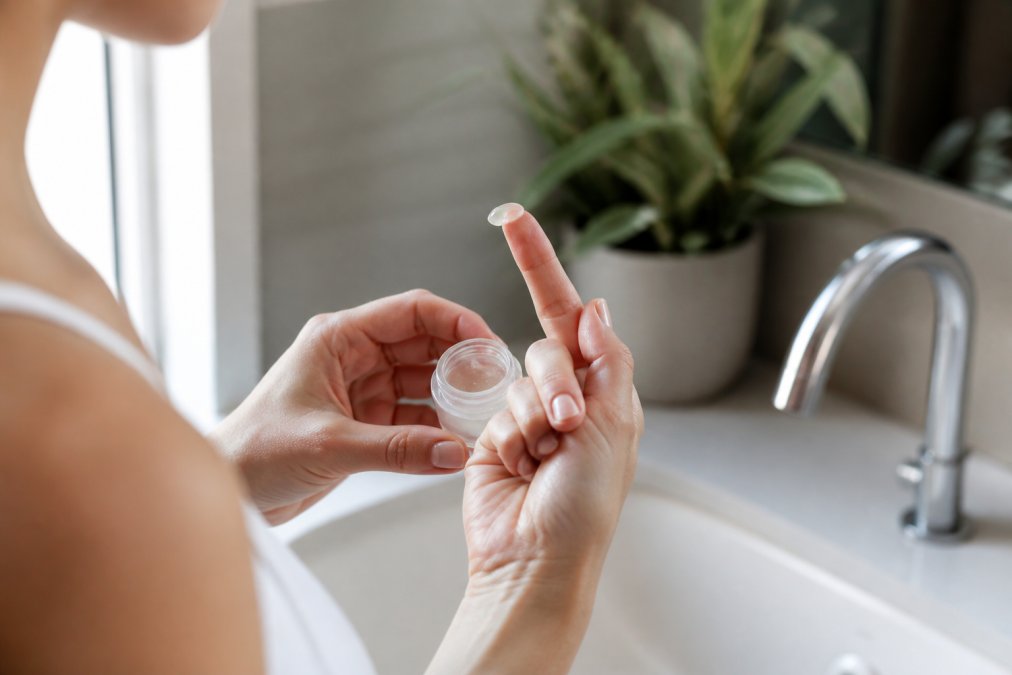
- For a gel: Squeeze a pea-sized amount onto a clean fingertip. Apply it just inside the nostril, then gently press the nostril closed and massage the gel around the inner tissue.
- Wait two minutes before blowing your nose again to allow the product to absorb.
- Clean the nozzle of any spray bottle after each use with a tissue to prevent bacterial buildup.
When to See a Doctor for Nasal Symptoms
While safe nasal care handles most cases of dryness and sensitivity, certain symptoms warrant professional evaluation. If you experience persistent bleeding that does not stop within 20 minutes, or if you notice blood-streaked mucus for more than a few days, consult a physician. Chronic congestion that does not respond to drug-free options after two weeks also deserves a clinical diagnosis.
For children, especially those under age two, consult a pediatrician before introducing any new nasal product. Pediatric nasal tissue is more delicate than adult tissue and may respond differently to certain formulations. The Rhinase Nasal Care Combo Pack offers a starting point for families, but professional guidance is always recommended for young children with recurring symptoms.
Conclusion: Building a Routine for Lasting Comfort
The challenge with sensitive noses is consistency. A single application of a moisturizing spray will provide temporary relief, but lasting comfort requires making nasal hydration a daily habit. Start with a humidifier in your bedroom, switch to preservative-free or drug-free products, and apply a gel before bed to prevent overnight dryness.
Profounda Health & Beauty offers a complete system for this routine, including xylitol-based mists and gels that are doctor-recommended, steroid-free, and formulated without harsh preservatives. The combo pack provides both a daytime mist and a nighttime gel so you can protect your nasal passages around the clock. For CPAP users, allergy sufferers, and parents seeking safe options for children, these products deliver professional-grade care without the side effects of medicated alternatives. Get started with Profounda Health & Beauty and give your nose the gentle care it needs.
Frequently Asked Questions
What nasal spray is best for a sensitive nose?
For hypersensitive nasal tissue, choose a preservative-free, steroid-free formula. Products with natural xylitol and dual wetting agents, like Rhinase X Nasal Mist, hydrate without the stinging that preservatives like benzalkonium chloride can cause. A pH-balanced, hypotonic solution is gentler on inflamed mucosa than standard hypertonic saline sprays. Avoid decongestant sprays for daily use, as they can cause rebound congestion over time.
Are saline sprays safe for daily use?
Yes, plain saline and moisturizing sprays without active decongestants are safe for daily use. They do not cause rebound congestion or damage the nasal mucosa. For sensitive noses, choose a preservative-free option to avoid irritation. Products like Rhinase Nasal Gel can be applied as often as needed, especially before bed or after CPAP use, to maintain moisture and protect against dryness and nosebleeds.
What are the benefits of xylitol in nasal care?
Xylitol is a natural sugar alcohol that helps keep nasal passages moist and supports the nose's natural defense mechanisms. In sprays like Rhinase X, it reduces the ability of irritants to stick to the mucus membrane, helping with sneezing, itchiness, and nasal drip. It is a safe, steroid-free alternative for those seeking drug-free nasal congestion relief, and it is gentle enough for children when used as directed.