
Why Xylitol Is Good for Nose Health: A 2026 Guide
Table of Contents
- What Is Xylitol and Why Does It Matter for Your Nose?
- How Xylitol Works in Nasal Passages
- Xylitol Nasal Spray Benefits for Sinus Health
- Xylitol vs Saline Nasal Spray: What's the Difference?
- How to Use Xylitol for Sinus Relief
- Is Xylitol Safe for Children and Daily Use?
- Integrating Xylitol with Your Existing Nasal Care Routine
- Conclusion: A Simple Addition for Lasting Nasal Comfort
- Frequently Asked Questions
Last Updated: September 5, 2026
What Is Xylitol and Why Does It Matter for Your Nose?
Xylitol is a naturally occurring sugar alcohol, often derived from birch trees or corn, that has gained significant attention in rhinologic care for its unique ability to support nasal health. Unlike table sugar, xylitol is not readily fermented by oral or nasal bacteria, which is why it is a common ingredient in chewing gums and, increasingly, in nasal care products. When you ask why xylitol is good for nose health, the answer lies in its mechanism of action: it helps maintain a clean, hydrated, and comfortable nasal environment without relying on steroids or drugs. Many people discover this natural sugar alcohol only after struggling with chronic dryness, congestion, or irritation from environmental factors like low humidity, air conditioning, or medical devices such as CPAP machines.
At Profounda Health & Beauty, we provide nasal care solutions for individuals dealing with dry, irritated nasal passages. Xylitol is a cornerstone of our approach because it addresses the root of the problem: the health of the nasal mucosa itself. In this guide, we will break down the science behind xylitol, what makes it different from standard saline, and exactly how to integrate it into your daily routine for lasting relief.
How Xylitol Works in Nasal Passages
Xylitol works in nasal passages primarily by interfering with the ability of bacteria to adhere to the nasal mucosa, the delicate lining inside your nose. Many common respiratory pathogens, including Streptococcus pneumoniae, rely on a thin biofilm to attach to cells and colonize the tissue. Because xylitol resembles the sugars these bacteria would normally consume, they take it up instead, but they cannot digest it. This disrupts their energy production and prevents them from forming the sticky biofilms that lead to infection and inflammation.
Beyond its antimicrobial properties, xylitol helps maintain physiological hydration. It is a humectant, meaning it draws moisture into the nasal passages, which supports the natural process of mucociliary clearance. This is the system by which tiny hairs called cilia sweep mucus and trapped particles toward the back of the throat to be swallowed. When your nasal passages are dry, this clearance system slows down, allowing allergens and pathogens to linger. Xylitol keeps the environment moist, which keeps the cilia moving efficiently and reduces upper respiratory discomfort.
The Osmotic Effect on Nasal Mucosa
Xylitol also exerts an osmotic effect on the nasal mucosa. When applied as a hypotonic solution, it helps regulate the salt and water balance within the nasal tissues. This is why xylitol is good for nose health in a way that simple water is not: it creates a gentle environment that discourages pathogen colonization while promoting tissue comfort. The result is a reduction in nasal congestion, less sneezing, and a noticeable decrease in itchiness, which are common complaints for allergy sufferers and those prone to non-allergic rhinitis.
Xylitol Nasal Spray Benefits for Sinus Health
The xylitol nasal spray benefits extend well beyond simple moisture, making it a valuable tool for maintaining sinus health. For individuals dealing with chronic sinus issues, the ability of xylitol to inhibit biofilm formation is particularly important. Biofilms are communities of bacteria that are highly resistant to both antibiotics and the body's immune response. By preventing these biofilms from forming in the first place, xylitol helps keep the sinus cavities clearer and reduces the frequency of sinusitis flare-ups.

A key advantage of xylitol is its compatibility with nitric oxide production in the sinuses. Nitric oxide is a molecule that plays a role in immune defense and blood flow regulation. Unlike some decongestant sprays that can shrink blood vessels and reduce nitric oxide, xylitol supports a healthy nasal environment without interfering with these natural processes. For those who experience post-nasal drip, the improved mucociliary clearance means less mucus pooling in the throat, which can reduce coughing and throat irritation. Many allergy sufferers find that regular use of a xylitol spray helps manage congestion without the side effects associated with steroid sprays, making it a gentle, drug-free alternative for daily sinus support.
Xylitol vs Saline Nasal Spray: What's the Difference?
The main difference between a xylitol vs saline nasal spray lies in what each ingredient does after it coats the nasal lining. A standard saline solution is simply salt and water, and its primary function is to rinse and moisturize. It works by thinning mucus and physically flushing out allergens and debris, which is why it is a staple for nasal irrigation. However, saline does not actively alter the behavior of bacteria or fungi in the nasal passages.
Xylitol goes a step further. While saline provides the mechanical benefit of washing, xylitol provides a therapeutic benefit by disrupting bacterial adhesion and supporting the natural flora of the nose. This makes xylitol sprays particularly useful for preventing issues rather than just cleaning up after them. For example, if you are prone to sinus infections after a cold, using a xylitol spray can help prevent bacteria from gaining a foothold in your inflamed nasal passages, something plain saline cannot do.
| Feature | Saline Spray | Xylitol Nasal Spray |
|---|---|---|
| Primary Action | Rinses and moisturizes | Prevents bacterial adhesion |
| Biofilm Inhibition | No | Yes |
| Mucociliary Support | Temporary | Continuous |
| Best For | Quick rinsing | Daily preventive care |
| Ingredient Profile | Salt and water | Natural sugar alcohol |
If you are looking for a simple rinse after being in dusty environments, saline works well. But if you want to address recurring congestion, support your sinuses during allergy season, or protect your nasal health while using a CPAP machine, a xylitol formula offers a more comprehensive solution.
How to Use Xylitol for Sinus Relief
To get the most out of xylitol for sinus relief, consistency matters more than frequency. The goal is to maintain a protective layer of xylitol on the nasal mucosa, not to flood the nose with the solution several times a day. For most adults, using a xylitol mist or gel two to three times daily is sufficient to maintain comfort and protection.
Here is a practical step-by-step guide for using a nasal mist:

- Gently blow your nose to clear any excess mucus.
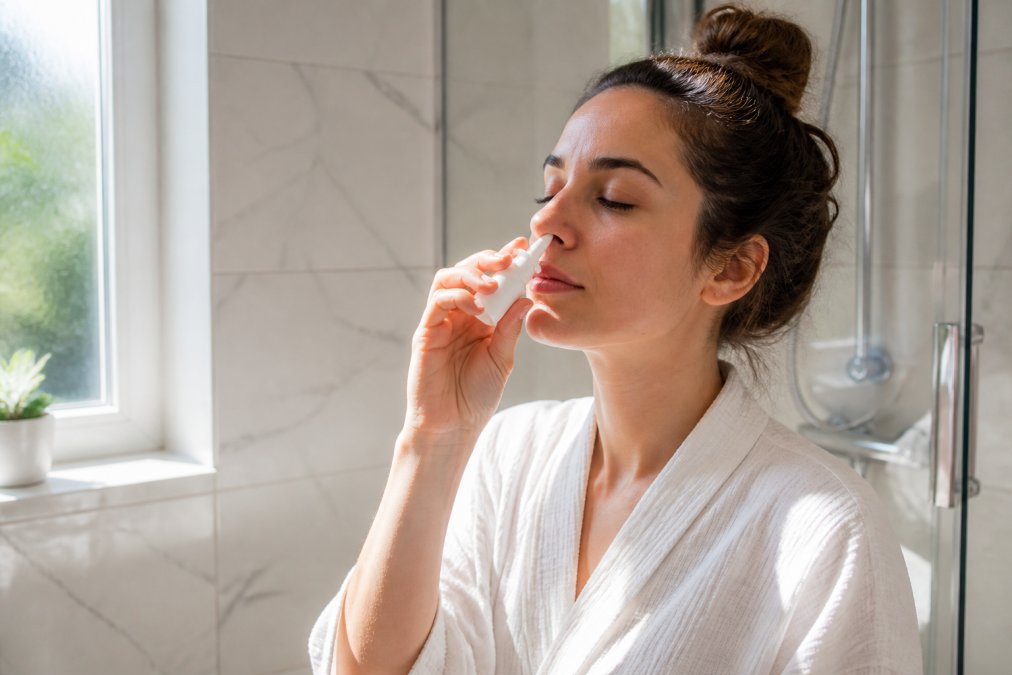
- Tilt your head slightly forward and insert the spray tip into one nostril.
- Aim the tip toward the outer wall of your nostril, not straight up the bridge.
- Spray once or twice while breathing in gently through the nose.
- Repeat on the other side, then gently sniff to distribute the solution.
- Avoid blowing your nose for a few minutes to allow the xylitol to coat the lining.
Mist vs. Gel: Choosing the Right Delivery Method
Choosing between a mist and a gel often comes down to the severity of your dryness and your daily routine. A mist is ideal for daytime use because it is quick, unobtrusive, and provides immediate hydration and relief. It is the easiest option to carry in a bag and use at work or while traveling.
A gel, on the other hand, offers longer-lasting relief. Because it adheres to the nasal mucosa more effectively, it is the preferred choice for severe dryness, nighttime use, and for individuals who experience nosebleeds. For those using oxygen therapy or CPAP, applying a thin layer of gel before putting on the mask can significantly reduce friction and irritation. Many people find that using a mist during the day and a gel at night provides the most complete coverage.
Is Xylitol Safe for Children and Daily Use?
Xylitol is recognized as safe for daily use by adults and children, and it has a long history as a food additive in products like chewing gum and toothpaste. For pediatric nasal care, it offers a valuable option for parents who are wary of using steroid-based sprays on their children. Many pediatricians recommend xylitol-based products as a first-line defense for kids prone to allergies, sinus congestion, and nosebleeds, particularly in dry climates or during winter months when indoor heating reduces humidity.
When using xylitol products with children, it is important to follow the age guidelines on the packaging. For younger children, a mist is often easier to administer than a gel. You can also apply a small amount of gel to a cotton swab and gently coat the inside of the child's nostril. As always, consult with your pediatrician before starting any new nasal care regimen for your child, especially if they have underlying respiratory conditions. The key is that xylitol provides a physiological hydration benefit without introducing synthetic chemicals, which makes it a gentle choice for sensitive young noses.
Integrating Xylitol with Your Existing Nasal Care Routine
Xylitol products are designed to complement, not replace, your current nasal care practices. If you use a neti pot or saline rinse for nasal irrigation after exposure to allergens, you can follow that rinse with a xylitol spray. The rinse clears the debris, and the xylitol then lays down a protective layer to prevent bacteria from recolonizing. This two-step approach is a powerful strategy for managing chronic sinus issues.
For individuals using steroid sprays for allergic rhinitis, xylitol can be used as an adjunct therapy. While the steroid manages inflammation, the xylitol works on the physical environment of the nose, keeping tissues hydrated and preventing the crusting and dryness that steroids can sometimes cause. This integration allows many patients to potentially reduce their reliance on steroids over time, though you should always discuss changes to your medication routine with your doctor.
At Profounda Health & Beauty, we have developed a range of drug-free, doctor-recommended solutions that combine the power of natural xylitol with advanced saline formulations. Our Rhinase X Natural Nasal Mist Spray provides a gentle, hypotonic mist that relieves dryness, sneezing, and congestion, making it an excellent addition to your morning and evening routine. For longer-lasting protection, the Rhinase X Soothing Nasal Gel offers dual wetting agents that coat and soothe the nasal passages for hours, which is ideal for overnight use or before CPAP therapy. For a simple, all-natural option that is safe for the whole family, the Xynase Natural Saline Nasal Spray combines xylitol with saline for gentle, effective congestion relief.

Conclusion: A Simple Addition for Lasting Nasal Comfort
Dry, irritated nasal passages can disrupt sleep, focus, and overall well-being, but the solution does not have to be complicated. Understanding why xylitol is good for nose health gives you a powerful, natural tool to protect your respiratory health. Whether you are dealing with chronic dryness from environmental factors, irritation from medical equipment, or recurring allergy symptoms, a xylitol-based spray or gel offers a steroid-free path to relief.
The challenge is finding a product that delivers consistent, professional-grade care without harsh chemicals. Profounda Health & Beauty specializes in exactly this, creating nasal care products that are doctor-recommended, drug-free, and formulated with natural xylitol to restore your nasal health and daily comfort. Get started with Profounda Health & Beauty and experience the difference of a nasal care routine that works with your body, not against it.
Frequently Asked Questions
Is xylitol good for your sinuses?
Yes, xylitol is good for your sinuses. It helps maintain a moist nasal environment and supports your nose's natural defense mechanisms. Xylitol reduces bacterial adhesion in nasal passages, which can help prevent pathogens from colonizing. This supports clear sinus drainage and may reduce the frequency of upper respiratory discomfort. Many users find it helps manage symptoms of allergic rhinitis and non-allergic rhinitis without the side effects of decongestants.
What are the side effects of xylitol nasal rinse?
Xylitol nasal sprays and rinses are generally well-tolerated. Some users may experience a mild stinging or tickling sensation when they first start. Because xylitol is a humectant, it draws moisture into the nasal passages, which can feel unusual at first. Unlike steroid sprays, xylitol does not thin the nasal lining. If you have a known allergy to xylitol or other ingredients, discontinue use. Always consult your doctor before starting a new nasal care routine.
Is xylitol the same as Flonase?
No, xylitol is not the same as Flonase. Flonase is a brand name for fluticasone, a corticosteroid that reduces inflammation in the nasal passages. Xylitol is a natural sugar alcohol that works by hydrating the nasal lining and inhibiting bacterial growth. Xylitol is drug-free and steroid-free, making it a gentle option for daily maintenance. Flonase is a medication used for more severe inflammation. Some people use both, but many prefer xylitol to avoid long-term steroid use.
Can xylitol nasal sprays be used daily?
Yes, xylitol nasal sprays are safe for daily use. Because they are drug-free and steroid-free, they do not cause the rebound congestion associated with decongestant sprays. Daily use can help maintain a healthy moisture balance in your nasal passages and support your body's natural defenses against allergens and irritants. For best results, incorporate it into your morning and evening routine, especially if you are prone to dryness from CPAP therapy, low humidity, or air conditioning.
This article was written using GrandRanker