

Get Relief From Chronic Nose Crusting: A Step-by-Step Guide
Table of Contents
- Understanding Chronic Nose Crusting: Causes and Symptoms
- How to Use Saline Nasal Spray Correctly for Maximum Relief
- Best Nasal Moisturizers for Dry Nose Relief
- Daily Habits That Stop Chronic Nose Crusting
- When to See a Doctor About Nasal Crusting
- Common Mistakes That Make Crusting Worse
- Conclusion
Last Updated: August 24, 2026
Understanding Chronic Nose Crusting: Causes and Symptoms
Chronic nose crusting occurs when your nasal mucosa loses its ability to maintain proper moisture, leading to hardened, painful buildup inside your nasal passages. This condition affects millions of people, particularly those in dry climates, CPAP users, and individuals with allergies. If you're dealing with scabs and crusty buildup more than a few days per week, you're experiencing a genuine chronic issue that requires a targeted approach.
Chronic nose crusting can trigger nosebleeds, make breathing difficult, and create a cycle where your nasal passages become increasingly irritated (peer-reviewed research).
What Happens Inside Your Nasal Passages
Your nasal mucosa is a delicate tissue layer that produces mucus to keep your nasal passages moist and functional. When this tissue dries out, it stops producing adequate mucus, and existing moisture evaporates faster than it can be replaced. The result is crust formation, your body's attempt to protect the underlying tissue. But those crusts actually trap bacteria and irritants, making inflammation worse and triggering more crust formation.
Your nasal cavity naturally produces mucus to trap dust, allergens, and pathogens. When humidity drops or your nasal passages are exposed to constant airflow (like from a CPAP machine), the mucosa can't keep up with moisture loss. Your cilia, tiny hair-like structures that normally sweep debris out of your nose, become sluggish when the tissue is dry. Material accumulates and hardens.
This creates a vicious cycle: dry tissue produces crusts, crusts irritate the tissue further, irritation triggers inflammation, and inflammation causes more dryness. Breaking this cycle requires restoring moisture to your nasal mucosa before the tissue becomes damaged.
Common Environmental and Lifestyle Triggers
Low humidity is the primary environmental culprit. Winter heating, air conditioning, high-altitude living, and arid climates all pull moisture from your nasal passages. If you live somewhere with humidity below 40%, your nose is under constant stress.
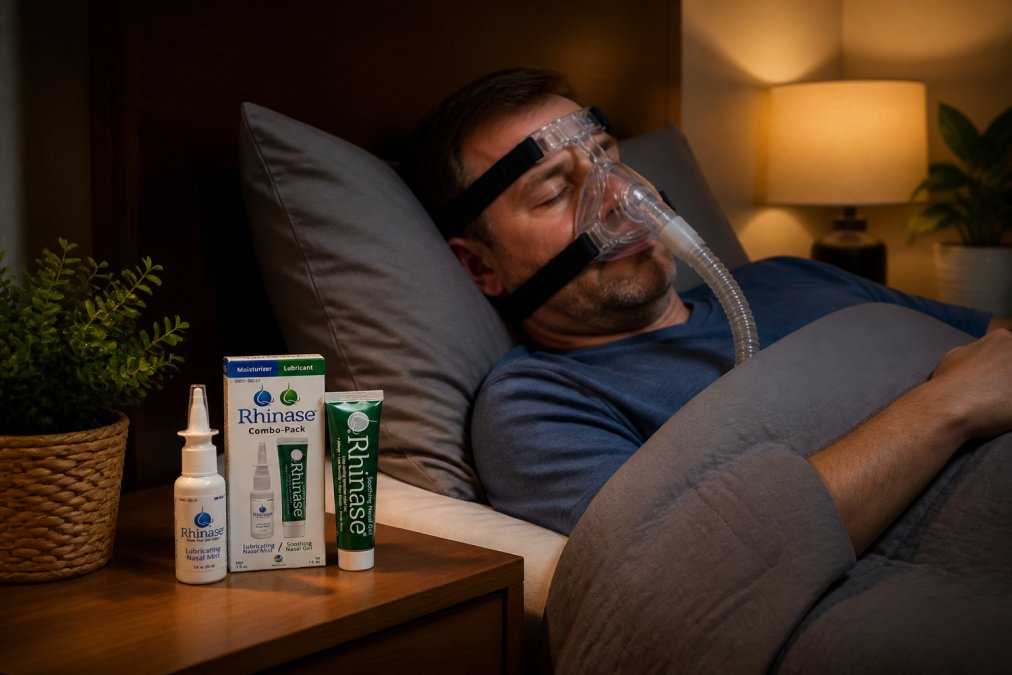
Medical equipment creates a second major trigger. CPAP and oxygen therapy users experience continuous dry airflow directly into their nasal passages. Swimmers face similar issues from chlorine exposure, which strips natural oils from the nasal lining.
Allergies and post-nasal drip create a different but equally problematic scenario. Your body produces excess mucus to combat allergens, but this mucus dries into crusts rather than flowing normally. Certain medications, particularly antihistamines and decongestants, can paradoxically worsen dryness by reducing mucus production.
Lifestyle factors matter too. Dehydration reduces your body's overall mucus production. Mouth breathing bypasses your nose's natural humidification system. Smoking and secondhand smoke exposure damage the nasal mucosa directly.
How to Use Saline Nasal Spray Correctly for Maximum Relief
Saline irrigation is the single most effective non-medication approach to managing chronic nose crusting. Most people use saline sprays incorrectly, apply them inconsistently, or choose the wrong formulation. The difference between someone who gets relief and someone who doesn't often comes down to technique and product selection.
Saline works by directly hydrating your nasal mucosa and helping to soften and clear crusts. Unlike medicated sprays, saline has no rebound effect. For relief from chronic nose crusting, saline irrigation should be your foundation.
Step-by-Step Saline Irrigation Technique
The correct technique takes about two minutes per session and should be performed 2-3 times daily for chronic crusting.
Step 1: Prepare your environment. Gather your saline spray, a tissue, and ideally a small cup or bowl. Stand over a sink or bathroom counter.
Step 2: Clear what you can first. Gently blow your nose to remove loose debris. Don't force it.
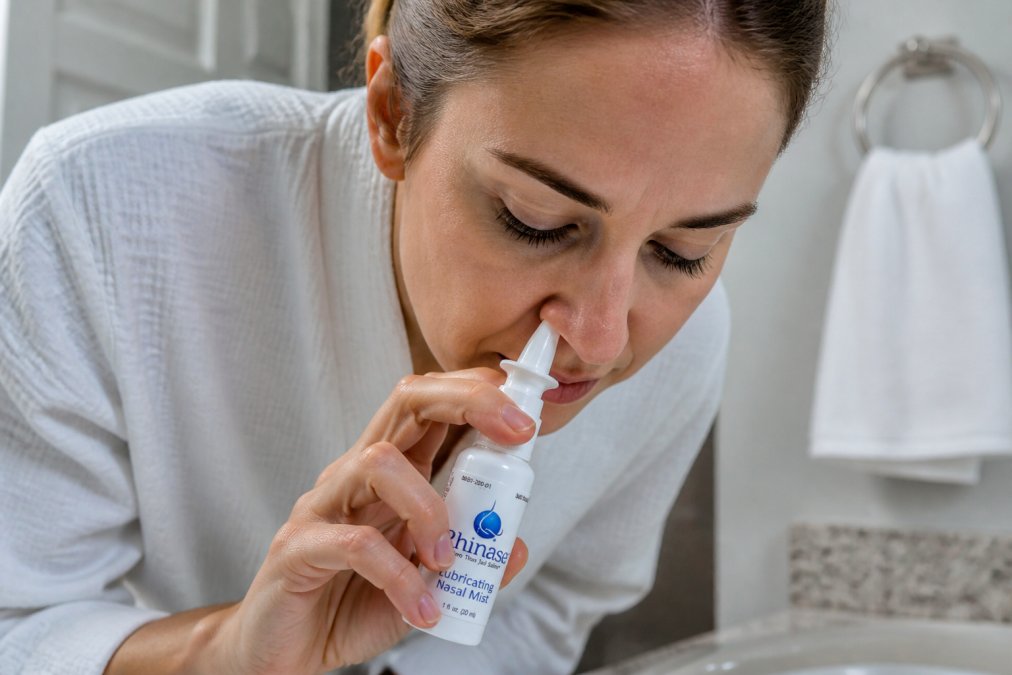
Step 3: Position your head correctly. Tilt your head slightly forward, not back. Tilting back sends saline down your throat instead of through your nasal passages.
Step 4: Insert the nozzle. Place the spray nozzle just inside your nostril, pointing slightly upward and inward toward the back of your nasal passage.
Step 5: Spray with controlled pressure. Press the spray bottle with steady, moderate pressure. One to two sprays per nostril per session is typically sufficient.
Step 6: Let it work. After spraying, keep your head tilted forward for 10-15 seconds to allow saline to reach crusted areas and soften them.
Step 7: Clear gently. Blow your nose gently to clear saline and loosened material.
Timing matters. Use saline spray first thing in the morning (when crusts are most stubborn), before bed, and once during the day. Consistency is more important than frequency.
Troubleshooting Common Irrigation Problems
Problem: Saline goes down my throat instead of through my nose. You're tilting your head back. Tilt forward instead.
Problem: My nose feels more congested after using saline. You're using too much saline or spraying too forcefully. Start with a single gentle spray per nostril.
Problem: The crusts aren't softening. Crusts need time to soften. Apply saline, wait 30 seconds, then apply again. Some people benefit from applying saline before bed and letting it work overnight.
Problem: My nose feels dry again within an hour. Standard saline sprays provide temporary hydration. Combine them with a moisturizing gel that creates a barrier for longer-lasting moisture.
Problem: I'm getting nosebleeds after using saline. You're likely spraying too forcefully or your nasal tissue is extremely fragile. Use gentler pressure, reduce frequency to once daily, and add a protective barrier cream.
Best Nasal Moisturizers for Dry Nose Relief
Once you've established a saline irrigation routine, the next critical step is maintaining moisture between applications. The best nasal moisturizers work by creating a protective barrier that prevents moisture loss while actively hydrating the tissue underneath.
There's a significant difference between drugstore options and specialized nasal care products. Standard petroleum jelly-based products sit on the surface and can trap bacteria. Advanced formulations combine saline hydration with barrier protection and natural ingredients designed specifically for nasal tissue.

Gel vs. Spray: Which Works Better
Saline sprays deliver hydration quickly and work best for immediate relief and loosening crusts. However, their effect is temporary, usually 30 minutes to an hour. Sprays are your acute intervention tool.
Nasal gels provide longer-lasting protection, typically 4-6 hours per application. They create a moisture barrier that prevents evaporation while delivering hydration directly to the tissue. Gels are your maintenance tool, keeping your nasal passages moisturized between spray applications.
The best approach combines both. Use saline spray to clear crusts and restore immediate hydration. Follow with a gel to create lasting protection. This two-step process addresses both the acute problem (crusts) and the chronic issue (tissue dryness).
Products like the Rhinase Allergy Relief Lubricating Nasal Gel use dual-salt formulations that match your body's natural saline balance. These gels contain natural xylitol, which actively supports your nasal mucosa's moisture retention. Applying gel before bed is particularly effective, allowing your nasal passages hours to absorb moisture and repair overnight.
Daily Habits That Stop Chronic Nose Crusting
Your environment and daily choices matter as much as the products you use.
Hydration and Dietary Support
Your nasal mucosa needs proper hydration from the inside out. Most people need 8-10 glasses of water daily, more if you live in a dry climate or use heating/cooling systems constantly (the CDC).
Your mucus production depends on electrolytes and specific nutrients. Sodium and potassium help your body retain water. Vitamin A supports mucous membrane health. Drink water consistently throughout the day rather than in large amounts at once. Add electrolyte-rich foods, broth, leafy greens, and fruits.
Avoid alcohol and caffeine in excess, both are diuretics that increase dehydration. If you drink coffee or alcohol, match each cup or drink with an extra glass of water.
Environmental Control and Humidification
Your indoor humidity level directly impacts your nasal health. The ideal range is 40-60% humidity (the EPA). Below 40%, your nasal passages are under constant moisture stress.
A single-room humidifier costs $30-60 and makes a measurable difference. For severe crusting, run a humidifier in your bedroom while you sleep. During winter months when heating systems run constantly, humidifiers become essential.
If you use a CPAP machine, consider adding a heated humidifier chamber to your setup. This directly addresses the dry airflow problem. Avoid prolonged exposure to dry environments, and spend time outside when weather permits.
When to See a Doctor About Nasal Crusting
Most cases of chronic nose crusting respond well to the approaches outlined above. However, certain situations require professional evaluation.
See a doctor if you experience severe or frequent nosebleeds associated with crusting, or if crusting is accompanied by severe pain, foul-smelling discharge, or signs of infection. Seek medical attention if crusting develops suddenly after starting new medications, or if it doesn't improve after 4-6 weeks of consistent saline irrigation and moisturizing.
Common Mistakes That Make Crusting Worse
Mistake 1: Using decongestant sprays for more than 3 days. Decongestant sprays create rebound congestion and worsen dryness. They're designed for acute congestion, not chronic management.
Mistake 2: Picking at crusts. This damages the underlying tissue, triggers bleeding, and creates more inflammation. Let saline soften crusts instead.
Mistake 3: Using generic petroleum jelly. Standard petroleum jelly doesn't hydrate. Specialized nasal gels are designed for nasal tissue and actually deliver moisture.
Mistake 4: Ignoring environmental factors. Environmental control is foundational. You can use the best products available, but if your environment is 25% humidity and you're not using a humidifier, you're fighting an uphill battle.
Mistake 5: Using saline spray alone without barrier protection. Spray hydrates temporarily but doesn't prevent re-drying. You need gel or barrier cream to maintain moisture between applications.
Mistake 6: Not being consistent. Chronic nose crusting requires daily maintenance. Your nasal tissue needs consistent moisture restoration to heal and maintain function.
Mistake 7: Using plain water or homemade saline. Plain water is hypotonic and can damage nasal tissue. Sterile, properly formulated saline is essential.
Chronic nose crusting is manageable when you address both the immediate symptoms and the underlying dryness. The combination of consistent saline irrigation, protective moisturizing gels, environmental control, and proper hydration creates an environment where your nasal mucosa can actually heal.
Start with the Rhinase Nasal Care Combo Pack, which pairs saline spray for acute relief with a protective gel for lasting moisture. Rhinase products are doctor-recommended and specifically formulated for chronic nasal dryness. Get relief from chronic nose crusting by establishing a routine today, your nasal health will improve within days, and crusting typically resolves within 2-3 weeks of consistent care.
Frequently Asked Questions
Q: How do I heal crusting inside my nose?
A: Start with saline irrigation twice daily using a sterile saline spray to flush away crusts and hydrate the nasal mucosa. Follow with a nasal moisturizer gel like Rhinase to create a protective barrier. For stubborn crusts, apply warm compresses to soften them before irrigation. If crusting persists beyond two weeks or is accompanied by bleeding or pain, consult an ENT specialist to rule out atrophic rhinitis or infection.
Q: Can dry air cause chronic nose crusting?
A: Yes. Low humidity environments, heated indoor air, and dry climates reduce moisture in your nasal passages, causing the mucosa to dry out and form crusts. This is especially common during winter months when heating systems run continuously. Using a humidifier to maintain 40-50% humidity, staying hydrated, and applying saline irrigation can prevent crust formation triggered by dry air. CPAP and oxygen therapy users face higher risk because equipment further dries nasal passages.
Q: What makes Rhinase different from basic drugstore saline sprays?
A: Rhinase combines a dual-salt saline formulation with xylitol, a natural ingredient that enhances moisture retention and reduces inflammation. Unlike basic saline alone, the gel formula in Rhinase products creates a longer-lasting protective barrier on the nasal mucosa, providing relief for hours rather than minutes. The Rhinase Combo Pack ($26.95) pairs spray and gel for comprehensive upper and lower nasal passage coverage, addressing both dryness and congestion without steroids or rebound effects.
Q: Is Rhinase safe for children with nosebleeds and allergies?
A: Yes. Rhinase products are drug-free and steroid-free, formulated to be safe for children ages 2 and up. The xylitol and saline combination reduces inflammation and strengthens the nasal mucosa barrier, helping prevent nosebleeds caused by dryness. For children with allergies, Rhinase addresses the underlying dryness that triggers itching and bleeding without the side effects of decongestants or antihistamines. Always follow age-appropriate application instructions and consult your pediatrician if symptoms persist.
This article was written using GrandRanker