
NeilMed Alternatives for Daily Nasal Care
Table of Contents
- Why People Seek NeilMed Alternatives
- Steroid-Free Nasal Spray for Daily Use: What Sets Alternatives Apart
- Saline Rinse vs Nasal Gel: Which Works Better for You
- Benefits of Xylitol in Nasal Care
- Cost-Benefit Analysis: DIY vs Commercial Nasal Care Solutions
- Sustainability: Disposable vs Reusable Nasal Irrigation Systems
- Common Troubleshooting Issues and How to Resolve Them
- Safety Precautions and Medical Contraindications
Last Updated: August 17, 2026
Why People Seek NeilMed Alternatives
People seek NeilMed alternatives for daily nasal care for several compelling reasons: cost, product variety, ingredient preferences, or exploring what else works. Not every nasal care solution needs to come from the same brand. Your routine depends on your specific situation, chronic dryness from CPAP use, seasonal allergies, post-nasal drip, or maintaining healthy nasal passages year-round. Some find that switching to alternatives gives better results, lower costs, or ingredients aligned with natural formulations and sustainability.
At Profounda Health & Beauty, we understand that finding the right nasal care solution is personal. This guide breaks down the most practical alternatives, what makes them different, and how to choose the one that works for your situation. 🌬️
Steroid-Free Nasal Spray for Daily Use: What Sets Alternatives Apart
The biggest shift in nasal care has been the move away from steroid-based solutions toward steroid-free options. Steroid nasal sprays work, but long-term use can cause nasal dryness, dependency concerns, and other side effects that make daily use problematic.
A steroid-free nasal spray operates on a different principle. Instead of suppressing inflammation through steroids, these alternatives rely on saline solutions, natural moisturizers, and ingredients like xylitol to hydrate and soothe your nasal passages. You can use them daily without worrying about building tolerance or experiencing rebound congestion.
What separates the best steroid-free alternatives from basic saline sprays is the formulation. Most drugstore saline solutions are just salt water. The stronger alternatives combine multiple moisturizing agents and use delivery systems designed for maximum comfort. Profounda Health & Beauty's Xynase Natural Saline Nasal Spray with Xylitol ($11.79) pairs saline with xylitol, a natural ingredient that helps prevent bacteria from adhering to nasal walls while providing extended hydration.

With a true steroid-free alternative, you're maintaining nasal health without managing rebound symptoms or worrying about long-term effects.
Saline Rinse vs Nasal Gel: Which Works Better for You
Both saline rinses and nasal gels address nasal dryness and congestion, but they work differently. Understanding the difference matters because the right choice depends on your specific situation.
How Saline Rinses Work
A saline rinse uses gravity or pressure to flush your nasal passages with salt-water solution. It clears mucus, irritants, and debris as it exits. Saline rinses excel at clearing mucus buildup and removing environmental irritants. If you're dealing with post-nasal drip, sinus pressure, or need to clear accumulated debris, a rinse is your best option. The downside: rinses don't provide lasting moisture after the rinse completes.
NaturePro All Natural Saline Nasal Spray ($14.70 for a 2-pack) offers a gentler alternative to traditional neti pots, using a dual-salt formula that moisturizes while it rinses.
How Nasal Gels Work
A nasal gel stays in place, coating the mucosa with a protective, moisturizing layer. Gels don't rinse anything out; they create a barrier that locks in moisture and protects against irritants. This makes them ideal for preventing dryness and maintaining comfort throughout the day.
Gels work best for ongoing moisture and protection rather than active congestion relief. If your main issue is dryness from CPAP use, dry air, or environmental factors, a gel provides sustained relief. Sesame oil-based gels, like Profounda Health & Beauty's pharmaceutical-grade sesame oil nasal spray ($15.00), offer deep moisturizing without the sticky feeling of traditional petroleum-based products.

Many people use both: a rinse in the morning to clear overnight buildup, then a gel during the day for protection. ✨
Benefits of Xylitol in Nasal Care
Xylitol has become a standout ingredient in nasal care. This natural sugar alcohol moisturizes more effectively, prevents bacterial adhesion, and provides longer-lasting relief than basic saline.
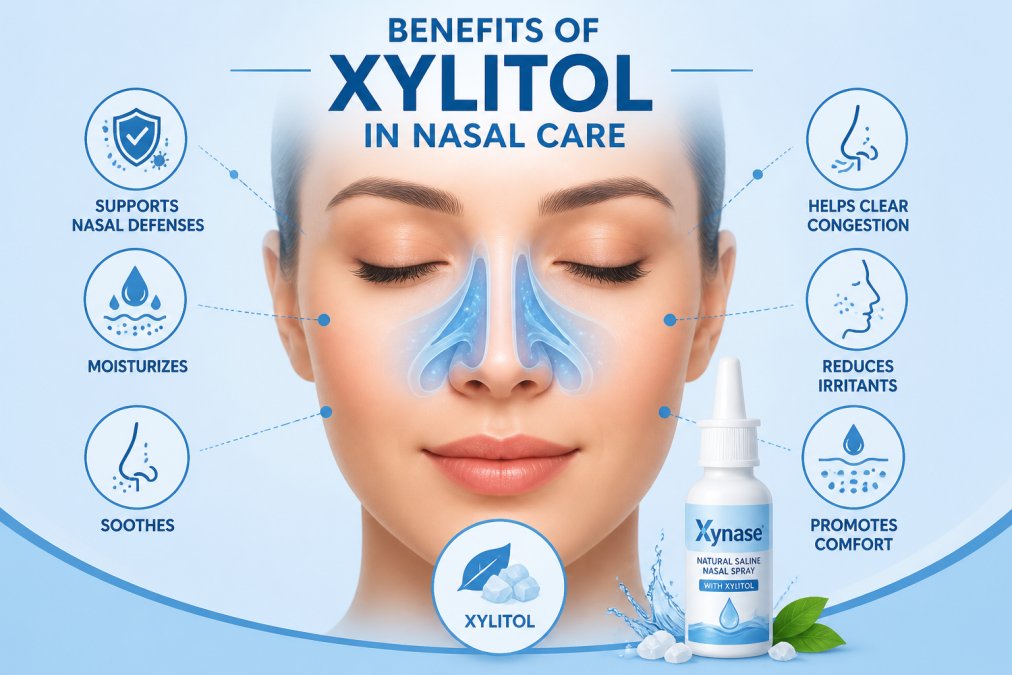
Bacteria in your nasal passages use sticky molecules to attach to your nasal mucosa. Xylitol interferes with this process, making it harder for bacteria to establish themselves. This is why xylitol-based sprays are particularly effective for people prone to sinus infections or recurring bacterial issues.
Xylitol is also a humectant, meaning it draws moisture into your nasal tissues and holds it there. This creates sustained hydration compared to plain saline, which evaporates quickly. Users typically report that relief lasts longer throughout the day.
Xynase Natural Saline Nasal Spray with Xylitol ($11.79) and Rhinase X Natural Nasal Mist Spray with Xylitol ($17.00) both use this ingredient. Xynase uses a standard isotonic saline base, while Rhinase X uses a hypotonic formula with dual wetting agents. For most users, Xynase delivers the xylitol benefit at a lower price point. Rhinase X is worth the extra cost if you have severe dryness or need maximum moisturizing power.
Xylitol is safe for kids. It's naturally present in small quantities in your body and used in sugar-free gum and dental products specifically because it's safe for children. Nasal products with xylitol are appropriate for all ages when used as directed. 👨👩👧👦
Cost-Benefit Analysis: DIY vs Commercial Nasal Care Solutions
Why spend $11-17 on a commercial product when you can make saline solution at home for pennies? DIY works, but it comes with real tradeoffs.
A homemade saline solution costs almost nothing. You mix distilled water, salt, and baking soda. The basic formula is sound, but problems emerge in execution: measuring precision, sterility, storage, and consistency. A slightly off ratio can irritate rather than soothe. Contamination is a real risk if you're not careful with sterilization. Homemade solutions have a short shelf life once mixed.
For daily nasal care, commercial solutions offer reliability and safety you can't easily replicate at home. A commercial spray like NaturePro All Natural Saline Nasal Spray ($14.70) costs roughly $0.20 per use, about $6 per month. The convenience, sterility assurance, and consistent formulation justify that cost.
Commercial products justify their price premium through added ingredients. Xylitol, sesame oil, honey, and dual-salt formulations require precise manufacturing. These are engineered solutions designed for specific outcomes.
If you're using nasal care daily, buy commercial. If you're experimenting or using it occasionally, DIY is fine.
Sustainability: Disposable vs Reusable Nasal Irrigation Systems
If you're using nasal care daily, the environmental impact of your choice adds up. Disposable spray bottles are convenient but accumulate waste. A person using a spray daily goes through 12-15 bottles per year. Most nasal spray bottles aren't easily recyclable because of the spray mechanism.
Reusable systems, primarily neti pots and refillable spray bottles, eliminate this waste. You buy the device once, then refill it with saline solution. A neti pot lasts years. A refillable spray bottle with replacement cartridges reduces plastic consumption by roughly 80% compared to disposables.
The tradeoff: reusable systems require more maintenance. A neti pot needs cleaning after each use to prevent mold and bacterial growth. The upfront cost is higher, a quality neti pot costs $15-30, but over a year, the reusable option is cheaper and far less wasteful.
For people committed to daily nasal care, a reusable system with commercial saline solution refills strikes the best balance: environmental responsibility, consistent results, and reasonable cost.
Common Troubleshooting Issues and How to Resolve Them
Daily nasal care sometimes doesn't work as expected. Here are the most common problems and fixes.
Spray goes down your throat instead of staying in your nasal passages: Tilt your head slightly forward (not back), aim the spray tip toward the back and side of your nasal passage (not straight up), and use gentle pressure. If it still drains, you might be using too much pressure, dial it back.
One nostril stays congested while the other clears: Your nasal passages likely have different sizes or one side has more inflammation. Use your spray more frequently on the congested side, or alternate which nostril you treat first. If one side remains persistently blocked after a week, see a doctor, it might be a deviated septum or other structural issue.
Your nose feels more irritated after using the spray: The solution might be too concentrated for your sensitive nasal tissue, or you might be allergic to an ingredient. Switch to a gentler, isotonic solution like Xynase ($11.79), or try a different product line. If irritation persists, consider a simpler formula or consult an allergist.
You're not seeing improvement in congestion: Nasal sprays work best for moisture and mild congestion, not severe sinus blockage. Combine spray with saline rinses, use a humidifier, or see a doctor if congestion lasts more than 10 days.
Your product has stopped working after weeks of use: Your nasal passages have adapted. Switch to a different formulation temporarily (if you were using saline, try xylitol-based; if you were using a spray, try a gel). After a week or two, return to your original product.
Safety Precautions and Medical Contraindications
Nasal care products are generally safe, but a few situations require caution or professional guidance.
If you have a perforated nasal septum: any liquid solution can leak into your sinuses or middle ear. Avoid rinses and sprays. Consult your doctor before using any nasal product.
If you have uncontrolled high blood pressure: some saline solutions contain sodium. While the amount is minimal, discuss with your doctor before regular use, especially on a strict low-sodium diet.
If you're prone to nosebleeds: nasal sprays and rinses can irritate delicate tissue and trigger bleeding. Use products specifically designed for nosebleed prevention (like those containing xylitol or sesame oil) rather than aggressive rinses. Nasal Nectar with Real Honey ($15.95) is gentler for bleeding-prone noses.

If you're recovering from nasal surgery: wait at least 2-3 weeks before using any spray or rinse. Your nasal passages need time to heal. When you do resume care, start with the gentlest option available.
If you have severe nasal polyps or structural abnormalities: sprays and rinses might not reach affected areas or might cause discomfort. An ENT specialist should guide your nasal care approach.
For children: all the products discussed here are safe for kids when used as directed. However, young children might find neti pots overwhelming. Gentle sprays like Xynase are better for kids under 10. Always supervise and teach proper technique.
Finding the right NeilMed alternative for daily nasal care comes down to matching your specific situation, whether that's CPAP-related dryness, allergies, nosebleed prevention, or general maintenance, with a product designed for that need. Profounda Health & Beauty's range of steroid-free, xylitol-enhanced formulations addresses each scenario with doctor-recommended solutions that deliver lasting relief without the side effects of steroids. Start with Xynase Natural Saline Nasal Spray with Xylitol and experience the difference professional-grade nasal care makes in your daily comfort.
Frequently Asked Questions
What can I use as a substitute for a NeilMed sinus rinse?
Several alternatives work well for daily nasal care. Saline sprays with xylitol, like Xynase or Rhinase X, offer convenient spray-based relief without the irrigation process. Nasal gels with natural ingredients provide longer-lasting moisturization. For irrigation, you can use a basic saline solution with distilled water and salt, or try alternative devices like squeeze bottles or pulsatile systems. The best choice depends on whether you prefer spray convenience or deep nasal passage cleansing.
What is the safest nasal spray to use every day?
Steroid-free nasal sprays are the safest for daily use. Look for formulations with natural saline, xylitol, or plant-based ingredients like sesame oil or honey. Xynase Natural Saline Nasal Spray ($11.79) contains xylitol and is doctor-recommended for all ages. Avoid prolonged use of decongestant sprays, which can cause rebound congestion. Saline-based solutions are non-habit forming and safe for continuous use, making them ideal for chronic nasal dryness, CPAP users, and allergy sufferers.
Is NeilMed just saline solution?
NeilMed products are primarily saline-based irrigation systems, but they're more than plain salt water. The company formulates isotonic or hypertonic saline solutions designed for specific uses like sinus rinses or daily irrigation. However, many alternatives now combine saline with additional moisturizing agents like xylitol, sesame oil, or honey, which provide longer-lasting hydration and added benefits beyond basic saline. This makes alternatives like Rhinase X or NaturePro Sesame Oil Spray more feature-rich for daily comfort.
Are there drug-free alternatives for chronic nasal congestion?
Yes, many steroid-free and drug-free options address chronic congestion. Xylitol-based sprays like Rhinase X help reduce mucus buildup and prevent bacteria from adhering to nasal passages. Saline rinses with dual-salt formulas flush irritants while moisturizing. Sesame oil sprays provide a protective barrier against environmental irritants. Honey-infused sprays soothe inflamed tissue. These alternatives work by maintaining nasal moisture, clearing irritants, and supporting natural cilia function, making them suitable for allergies, environmental sensitivities, and post-nasal drip without medications.
How do wetting agent gels compare to traditional saline rinses?
Wetting agent gels provide targeted, long-lasting moisturization that adheres to nasal tissue, while saline rinses cleanse and flush the entire nasal cavity. Gels are ideal for dry nose, nosebleeds, and CPAP irritation because they create a protective barrier. Rinses are better for clearing congestion and removing irritants. Many users benefit from combining both: using a rinse to cleanse, then applying a gel for lasting comfort. Gels are more portable and require no water, while rinses offer deeper cleaning for sinusitis or heavy congestion.
This article was written using GrandRanker