

How to Soothe Dry Nasal Passages Naturally: 9 Remedies
Table of Contents
- Why Nasal Passages Get Dry (And When to Act)
- Step 1: Restore Moisture With a Humidifier
- Step 2: Choose the Best Nasal Spray for Dry Nose Relief
- Step 3: Try Natural Remedies for Dry Sinuses at Home
- Step 4: Apply Topical Moisturizers Before Bed
- Common Mistakes That Worsen Dry Nasal Passages
- When to See a Doctor for Chronic Dryness
- Conclusion
- Frequently Asked Questions
Last Updated: September 8, 2026
Why Nasal Passages Get Dry (And When to Act)
Waking up with a stuffy, burning nose is often the first sign that your nasal mucosa has lost its protective moisture. Dry nasal passages occur when the mucous membranes lining your nasal cavity lose hydration faster than they can replenish it, typically due to low ambient humidity, forced-air heating, or airborne allergens. Most cases respond quickly to simple, drug-free interventions.
When your nasal mucosa dries out, the cilia that filter dust and pathogens stop working effectively, leaving you more vulnerable to sinus pressure, nasal crusting, and nosebleeds. Dryness can also trigger congestion, leading to overuse of decongestants that worsen the problem.
Step 1: Restore Moisture With a Humidifier
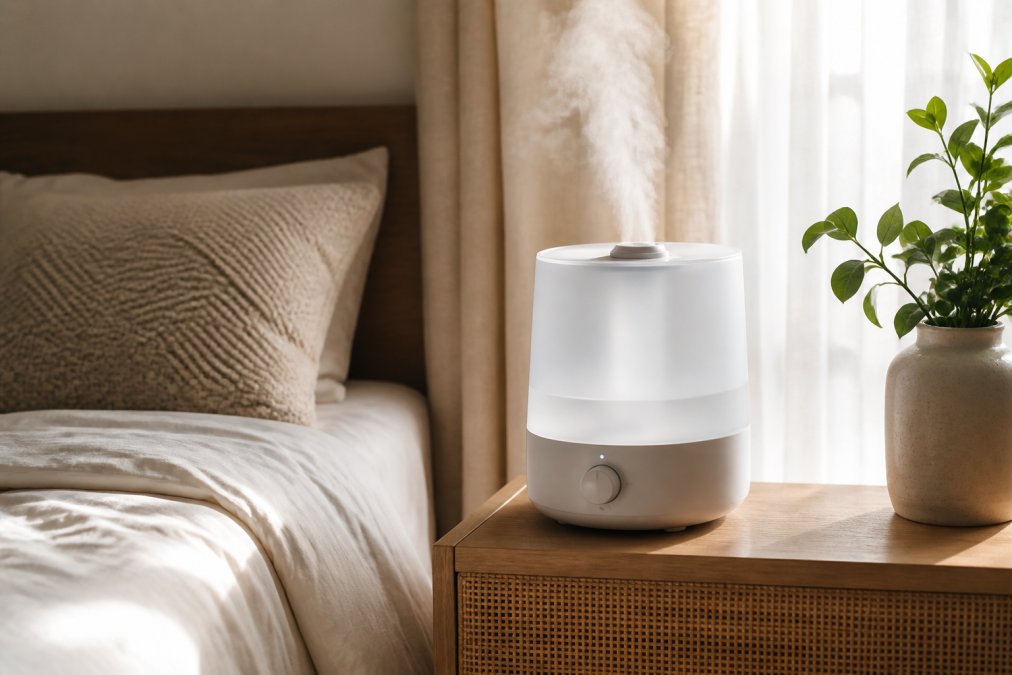
The single most effective change for chronic nasal dryness is raising the moisture level in the air you breathe. A cool-mist humidifier in your bedroom, running while you sleep, can dramatically reduce morning nasal congestion and irritation by keeping your mucous membranes hydrated through the night.
Why Humidity Matters for Nasal Health
Your nasal mucosa functions best in air with at least 30% relative humidity. When indoor air drops below that, common in winter or summer, moisture evaporates faster than it can be replaced, impairing the mucociliary clearance system where cilia sweep mucus and trapped particles toward your throat, letting allergens and pathogens linger.
Setting the Right Humidity Range
Aim to keep indoor relative humidity between 30% and 50%. Levels below 30% dry out nasal tissues quickly, while anything above 60% encourages mold, dust mites, and condensation on windows. A hygrometer, available at most hardware stores for under $15, helps you monitor levels accurately.
Choosing the Right Type of Humidifier
Not all humidifiers perform equally for nasal health:
- Ultrasonic cool-mist models are quiet, energy-efficient, and popular for bedrooms. They use high-frequency vibration to create a fine mist. However, they can deposit white mineral dust if you use tap water, so distilled water is recommended.
- Evaporative humidifiers use a wicking filter and fan to blow moisture into the air. They are self-regulating (they won't over-humidify) but require regular filter replacement every 1-3 months.
- Warm-mist humidifiers boil water to produce steam. They are effective but pose a burn risk, especially around children, and consume more electricity.
Placement and Maintenance That Actually Work
Place the unit about three feet from your bed, elevated on a nightstand or dresser rather than directly on the floor, so the mist disperses into your breathing zone. Aim the output away from walls and furniture to prevent moisture damage.
Replace the filter every 30-60 days for evaporative models, and use distilled water to eliminate mineral buildup and white dust.
Troubleshooting Common Humidifier Issues
- White dust on furniture: Switch to distilled water or choose an evaporative model.
- Musty smell: Clean the tank immediately with vinegar; the biofilm has already started forming.
- Room feels damp but nose still dry: Check the hygrometer, if humidity is above 50%, the issue may be dehydration or medication side effects rather than ambient air.
- Humidifier runs all night but morning dryness persists: The unit may be too small for the room. Most bedroom units cover 250-500 square feet; check the manufacturer's rating.
Don't run the humidifier only during cold months, summer air conditioning also strips moisture, so monitor humidity year-round. For CPAP users, placing the humidifier near the machine's air intake can help, though many modern CPAP units have integrated heated humidifiers that may be more effective, set those higher if your nasal passages feel dry upon waking.
Step 2: Choose the Best Nasal Spray for Dry Nose Relief
When environmental changes are not enough, a quality nasal moisturizer is the most direct way to soothe dry nasal passages. The best nasal spray for dry nose relief delivers immediate hydration while supporting the natural moisture barrier that prevents future dryness.

Saline Sprays vs. Xylitol Formulas: What to Look For
Basic saline sprays rinse and moisten with salt water, offering relief that fades within an hour. Xylitol-based formulas help maintain moisture balance and may reduce bacterial adhesion. For persistent dryness, a dual-action spray combining saline with xylitol and wetting agents provides longer-lasting comfort.
Profounda Health & Beauty offers the Rhinase X Natural Nasal Mist Spray, a steroid-free, drug-free formula with natural xylitol designed to address dryness, sneezing, itchiness, and congestion simultaneously. Many users find that a mist is gentler than a pressurized spray, making it suitable for sensitive nasal tissue.

Step 3: Try Natural Remedies for Dry Sinuses at Home
Beyond devices and sprays, several natural remedies for dry sinuses use common household items to restore comfort, especially valuable for parents seeking drug-free options for children or anyone avoiding steroid-based treatments.
Steam Inhalation Done Safely
Steam inhalation loosens nasal crusting, soothes inflamed tissue, and provides immediate sinus pressure relief. Fill a large bowl with hot water, drape a towel over your head, and breathe deeply through your nose for 5 to 10 minutes.
Keep children at a safe distance and supervise closely. An alternative for kids is sitting in a steamy bathroom for 10 minutes. Adding eucalyptus or peppermint oil can enhance the effect, though avoid these in young children.
Dietary Support and Hydration
Internal hydration directly affects your mucous membranes. When dehydrated, your body prioritizes water for vital organs, leaving nasal tissues dry. Drinking adequate water is foundational, but certain foods provide additional support.
Warm broths and herbal teas offer fluid intake plus steam. Omega-3-rich foods like salmon and flaxseed may reduce nasal inflammation, while spicy foods like horseradish or chili can stimulate protective mucus production. Avoid excessive caffeine and alcohol, as both contribute to dehydration.
Step 4: Apply Topical Moisturizers Before Bed
For severe dryness, especially overnight, a topical nasal gel applied inside the nostrils provides a protective barrier that lasts for hours, particularly valuable for CPAP and oxygen therapy users, whose equipment continuously blows dry air across the nasal mucosa.

Why Nighttime Application Matters Most
During sleep, the same dry air passes over your nasal mucosa for 7-9 continuous hours. Saline sprays applied before bed typically evaporate within 30-60 minutes, leaving no residual protection. Gels and oil-based products create a longer-lasting film that slows water loss, making them the preferred choice for overnight relief.
How to Apply Nasal Gels Correctly
Proper technique matters more than most people realize:
- Wash your hands thoroughly with soap and water.
- Use a clean fingertip or a fresh cotton swab, never double-dip a used swab back into the jar.
- Apply a pea-sized amount (about 3-4 mm) to the inside of each nostril, just inside the rim where the dryness is most noticeable.
- Gently press the nostril closed and massage the gel upward along the nasal wall for 5-10 seconds.
- Avoid inserting the applicator deeper than about half an inch, coat the anterior nasal mucosa, not the sinus openings.
Choosing Between Gel, Oil, and Balm Formulations
Each formulation type has distinct trade-offs:
- Water-based gels (often containing xylitol or hyaluronic acid) spread easily, absorb quickly, and don't leave a greasy residue, ideal for daytime use under makeup.
- Oil-based products (sesame oil, olive oil, mineral oil blends) provide longer-lasting lubrication because oils don't evaporate, though they can feel heavy and some users report a lingering taste if the oil drips toward the throat.
- Saline-based balms offer the gentlest option for severely irritated tissue but may require reapplication if you wake mid-sleep.
The Rhinase X Soothing Nasal Gel combines natural xylitol with dual wetting agents to coat and protect dry nasal passages through the night. Unlike sprays that provide temporary moisture, gels create a lasting film that prevents moisture loss. For those who prefer an oil-based option, the NaturePro Sesame Oil Nasal Spray offers 100% pharmaceutical grade sesame oil for deep lubrication, while the Nasal Nectar spray uses real honey for gentle, additive-free hydration.
Safety Precautions for DIY and Over-the-Counter Options
Other common household products carry risks:
- Essential oils applied undiluted can cause chemical burns. Dilute one drop in a teaspoon of carrier oil and discontinue if burning occurs.
- Coconut oil solidifies at room temperature and can feel gritty; some with tree nut allergies may react. Patch test on your forearm first.
- Aloe vera gel must be pure, many commercial products contain preservatives that sting.
- Honey-based products should be avoided by anyone with honey allergies and in children under one year.
Sleep Hygiene Adjustments That Reduce Morning Dryness
How you sleep also affects nasal moisture levels:
- Sleep position: Elevating your head encourages mouth breathing, which dries the throat and nose. Sleeping flat allows nasal secretions to pool and protect the mucosa.
- Bedding materials: Synthetic pillows trap heat and dry the air around your face. Cotton and bamboo fabrics breathe better, and wool toppers help regulate temperature and humidity.
- Mouth taping: Some sufferers find taping the mouth forces nasal breathing, keeping passages moist. Use specifically designed medical tape and discontinue if you feel anxious or short of breath.
- Evening routine: Avoid alcohol within three hours of bedtime, it dehydrates mucous membranes. A warm shower before bed adds ambient humidity and loosens crusting.
Common Mistakes That Worsen Dry Nasal Passages
The most common habit that compounds nasal dryness is overusing decongestant sprays. They provide rapid relief by constricting blood vessels, but after three days of continuous use, they cause rebound congestion that leaves nasal passages drier and more swollen.
Blowing the nose forcefully strips away protective mucus, and picking at crusting damages delicate tissue and can trigger nosebleeds. Antihistamines, while effective for sneezing and itching, also dry mucous membranes, discuss alternatives with your doctor if you take them daily.
| Mistake | Why It Hurts | Better Approach |
|---|---|---|
| Overusing decongestant sprays | Rebound congestion after 3 days | Use saline or xylitol sprays instead |
| Forced nose blowing | Strips protective mucus layer | Blow gently, one nostril at a time |
| Antihistamine overuse | Dries all mucous membranes | Ask your doctor about alternatives |
| Ignoring bedroom humidity | Wakes with dry, painful nose | Run a humidifier while sleeping |
When to See a Doctor for Chronic Dryness
See a healthcare provider if dryness lasts more than two weeks despite consistent moisturizing efforts, if you experience frequent or heavy nosebleeds, or if dryness accompanies facial pain, fever, or thick discolored discharge. These could indicate an underlying infection, structural issue, or sinusitis.
For allergy sufferers, a doctor can help balance symptom control with hydration by adjusting medication types or doses. According to guidance from the American Academy of Otolaryngology, chronic nasal obstruction and dryness that interferes with daily life merits professional evaluation to rule out more serious causes.
Conclusion
Managing dry nasal passages naturally comes down to consistent moisture: humidify your environment, choose the right moisturizing spray, stay hydrated, and protect your nasal tissues overnight. Avoiding decongestant overuse prevents the cycle of rebound dryness.
Finding the right combination takes some experimentation, but most people notice significant improvement within a week of consistent care. Profounda Health & Beauty offers a complete range of drug-free, doctor-recommended solutions, from the Rhinase X mist and gel to natural sesame oil and honey-based sprays, all designed to restore comfort without steroids or harsh chemicals. For persistent issues, consult your healthcare provider, and review the NIH's patient education resources on [nasal health(/blogs/news/xylitol-vs-saline-for-nasal-health-complete-comparison) | nih.gov] for additional guidance. Get started with Profounda Health & Beauty and find lasting relief for your dry nasal passages today.
Frequently Asked Questions
Which vitamin deficiency can cause dry nasal passages?
Vitamin A and vitamin D deficiencies are most commonly linked to dry mucosal tissue, including the nasal passages. Vitamin A supports the health of mucous membranes, while vitamin D regulates immune function and tissue repair. If you experience persistent dryness alongside fatigue or frequent colds, ask your doctor about a blood test. Eating foods rich in these vitamins, like sweet potatoes, carrots, eggs, and fatty fish, supports overall nasal health.
What can I lubricate the inside of my nose with?
The safest options are drug-free nasal gels and mists made specifically for the nasal cavity. Look for formulas with xylitol or saline, such as Rhinase X Soothing Nasal Gel, which coats the lining without dripping down your throat. You can also use a small amount of aloe vera gel or almond oil on a cotton swab, but avoid petroleum jelly since inhaling it over time can irritate the lungs.
How can I rehydrate the inside of my nose fast?
The fastest relief comes from a nasal mist with humectant properties. Xylitol-based sprays like Rhinase X draw moisture into the nasal mucosa and provide almost instant comfort. Follow up by drinking a glass of water and running a humidifier in your room. For severe dryness, apply a nasal gel before bed so it coats the passages overnight and prevents morning crusting.
Are there natural ways to prevent nasal dryness during winter?
Yes. Winter dryness happens when indoor heating removes humidity from the air. Keep your bedroom humidity between 30% and 50% using a cool-mist humidifier. Take shorter, warmer showers rather than long hot ones, and avoid sitting too close to radiators or space heaters. Using a humidifier for nasal health is one of the most effective preventive measures when paired with a nightly moisturizing nasal gel.