

Dry Nose and Throat Remedies 2026: 7 Soothing Solutions
Table of Contents
- Why Dry Nose and Throat Happens (and What Makes It Worse)
- Best Nasal Spray for Dry Nose Relief: What to Look For
- Natural Remedies for Dry Nasal Passages You Can Try Tonight
- How to Hydrate Dry Throat Overnight: 5 Practical Steps
- Humidifier Maintenance: The Step Most People Skip
- Pediatric Nasal Care: What's Safe for Kids
- When Dry Nose and Throat Needs a Doctor
- Frequently Asked Questions
Last Updated: October 1, 2026
Why Dry Nose and Throat Happens (and What Makes It Worse)
Dry nose and throat remedies work best when you understand the cause. The most common culprits are low humidity, heated indoor air, and medical equipment like CPAP machines that push dry air through your nasal passages all night.
Environmental Causes: Winter Air, Indoor Heating, and Low Humidity
Cold outdoor air holds less moisture than warm air, and indoor heating strips whatever humidity remains, so running a furnace for months creates indoor humidity well below what your nasal passages need.
Medical Causes: CPAP, Oxygen Therapy, and Medication Side Effects
CPAP therapy and supplemental oxygen push air directly into your nasal cavity, often drier than what you'd breathe naturally. Nocturnal dryness is a common CPAP complaint and can lead to congestion, nosebleeds, and poor sleep.
Best Nasal Spray for Dry Nose Relief: What to Look For
The best nasal spray for dry nose relief moisturizes without medication, respects your nose's natural pH, and avoids irritation triggers. Look for saline or xylitol-based formulas with wetting agents, and skip anything with alcohol, fragrances, or stinging preservatives.
| Feature | Why It Matters | What to Avoid |
|---|---|---|
| Wetting agents | Pull and hold moisture in nasal tissue | Sprays with only salt water |
| pH balance | Prevents stinging and irritation | Formulas with unknown pH |
| Steroid-free | No dryness side effects | Daily steroid spray use for dryness |
| Preservative-free | Fewer allergic reactions | Benzalkonium chloride sensitivity |
| Xylitol or saline base | Long-lasting hydration | Alcohol-based formulas |
Saline vs. Xylitol vs. Oil-Based Sprays
Saline sprays are the simplest option. They add moisture and rinse away irritants, but the effect fades quickly because salt water doesn't cling to tissue. Isotonic saline (roughly 0.9% sodium chloride) is the gentlest choice for everyday moisture. Hypertonic saline draws fluid out of swollen tissue and can help congestion, but it stings more and isn't ideal when your passages are raw.
Natural vs. Synthetic Ingredients: A Safety-First Comparison
Here's how to judge what's inside the bottle:
- Saline (sodium chloride): The most natural and least reactive option. Safe for daily use, pregnancy, and children. Downside is short duration.
- Xylitol: A naturally occurring sugar alcohol. Generally well tolerated, but avoid it if you have a known sensitivity, and keep it away from pets, since xylitol is toxic to dogs even in small amounts.
- Propolis and honey: Natural and soothing, often used in throat sprays. Not for infants under one year because of honey's botulism risk, and anyone with a bee-product allergy should avoid propolis.
- Benzalkonium chloride: A common synthetic preservative. Some people develop irritation or allergic reactions with repeated use, which is why preservative-free single-use vials exist.
- Steroid sprays: Effective for allergy and inflammation, but not a moisturizer. Using them for dryness alone can worsen the problem.
Natural Remedies for Dry Nasal Passages You Can Try Tonight
Natural remedies for dry nasal passages range from steam inhalation to dietary changes that support mucosal health. Most work by adding moisture, reducing inflammation, or supporting nasal tissue.
Start with these:
- Steam inhalation: Boil water into a bowl, drape a towel over your head, and breathe the steam for five to ten minutes. Add a drop of eucalyptus oil if your sinuses feel congested too.
- Warm compresses: A warm, damp washcloth over your nose and cheeks increases blood flow and loosens crusty buildup.
- Humidification: Run a cool-mist humidifier in your bedroom. Aim for 40-50% relative humidity.
- Saline irrigation: A neti pot or squeeze bottle rinses away dried mucus and allergens. Use distilled or boiled water only.
- Topical moisturizers: A thin layer of nasal gel inside each nostril before bed prevents overnight dryness.
- Omega-3 rich foods: Fatty fish, walnuts, and flaxseed support the mucous membranes that keep your nose hydrated from the inside.
- Vitamin A and zinc: These nutrients support the epithelial tissue lining your nasal cavity. Leafy greens, carrots, and lean meats cover both.
How to Hydrate Dry Throat Overnight: 5 Practical Steps
To hydrate a dry throat overnight, address both the air you breathe and the tissue itself, keeping moisture in contact with your throat for the full seven or eight hours you're asleep.
Here are five steps that work:

- Run a humidifier in your bedroom. Cool-mist is best for most people. Place it within three feet of your bed so the mist reaches your breathing zone.
- Apply nasal gel before bed. A moisturizing gel inside each nostril keeps your nasal passages from drying out as you breathe.
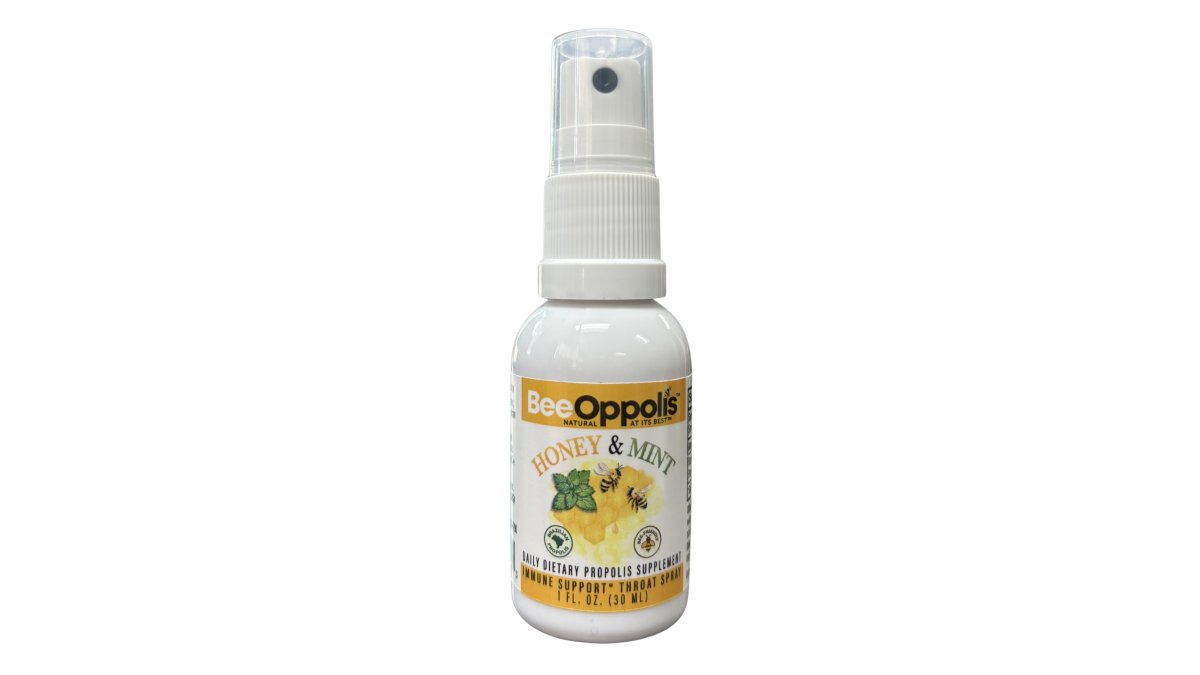
- Use a throat spray if your throat is raw. A propolis or honey-based spray coats and soothes the tissue. Profounda Health & Beauty's Beeoppolis Propolis Throat Spray is designed for exactly this.
- Keep water at your bedside. Sipping through the night rehydrates your throat directly. Room temperature is easier on a raw throat than cold.
- Sleep with your head slightly elevated. This reduces post-nasal drip and keeps stomach acid from irritating your throat.
Humidifier Maintenance: The Step Most People Skip
Humidifier maintenance determines whether your device helps or hurts you. An unclean humidifier spreads mold, bacteria, and mineral dust directly into the air you breathe, worsening the exact dryness and irritation you're trying to fix. It's the step most people skip.
Daily and Weekly Cleaning Routine
Empty the water tank every morning and refill with fresh distilled water. Once a week, disassemble the tank and base, scrub with mild detergent, rinse thoroughly, and air-dry before reassembling. Never let water sit in the tank for days between uses.
Rhinase Nasal Care Combo Pack - Nasal →
Cool-Mist vs. Warm-Mist vs. Ultrasonic: Different Devices, Different Care
The type of humidifier you own changes how you clean it:
- Cool-mist (evaporative): Uses a wick filter that traps minerals and must be replaced regularly, typically every one to two months with daily use, or sooner if it discolors or stiffens.
- Warm-mist (steam): Boils water, so it's self-sterilizing to a degree, but the heating element and reservoir still accumulate mineral scale. Descale monthly with a vinegar-and-water soak.
- Ultrasonic: Quiet and popular, but it aerosolizes whatever is in the water, including minerals and biofilm. It needs the most diligent cleaning and is most likely to produce white dust with tap water.
The White Dust Problem
Skip the filter change or use tap water and white dust settles on furniture. That's mineral particulate, mostly calcium and magnesium, and it's going into your lungs too. Distilled water eliminates most of it; change filters on the manufacturer's schedule, usually every one to three months depending on use and water hardness.
CPAP Humidifier Maintenance
If you use a CPAP machine with a heated humidifier, the water chamber needs the same discipline as a standalone humidifier, plus a few extras. Empty and air-dry it every morning, wash it weekly with mild soap and warm water, and use distilled water to keep mineral scale out of the chamber and hose. Replace the chamber on your equipment provider's schedule, and check the hose for condensation that can pool and cause gurgling or mask leaks.
Pediatric Nasal Care: What's Safe for Kids
Children need gentler nasal care than adults because their nasal passages are smaller and their tissue more sensitive. Skip medicated sprays entirely unless a pediatrician prescribes one.
What's safe for kids:
- Saline drops or spray: Use a drug-free saline product designed for infants and children. Xynase Natural Saline Nasal Spray with Xylitol from Profounda Health & Beauty features a tip designed to fit small noses comfortably.
- Cool-mist humidifier: Keep the room at 40-50% humidity. Clean it as diligently as you would an adult's.
- Saline irrigation: For older children, a squeeze bottle or neti pot works well. Younger children may resist; try saline drops first.
- Petroleum-free moisturizers: A small amount of nasal gel inside the nostrils prevents dryness and nosebleeds, especially in winter.
When Dry Nose and Throat Needs a Doctor
See a doctor if dryness lasts more than two weeks despite home treatment, if you notice blood in your mucus regularly, or if you develop pain, fever, or swelling around your sinuses. These signs suggest something more than environmental dryness.
Other reasons to seek medical consultation:
- Dryness that starts suddenly with a new medication
- Chronic dryness that interferes with sleep or eating
- Sores or crusting inside the nose that won't heal
- Difficulty breathing through your nose that doesn't improve with moisture
Frequently Asked Questions
How to fix extremely dry nose and throat?
Start with a saline or xylitol nasal spray to rehydrate nasal passages, then run a cool-mist humidifier in your bedroom to keep indoor humidity between 30% and 50%. Drink water throughout the day and use a throat spray with honey or propolis before bed. If dryness persists more than two weeks despite these steps, see a doctor to rule out underlying conditions like Sjogren's syndrome or medication side effects. For many people, combining a moisturizing nasal gel with overnight humidification delivers the most consistent relief.
What vitamin deficiency causes dry nostrils?
Vitamin A and vitamin D deficiencies are most commonly linked to dry mucous membranes, including nasal passages. Vitamin A supports the epithelial tissue that lines your nose and throat, while low vitamin D has been associated with impaired mucosal immunity. Iron and B12 deficiencies can also contribute to dryness and cracking. A blood test is the only reliable way to confirm a deficiency. Do not self-supplement high doses without testing first, since excess vitamin A can cause its own problems.
Are there drug-free ways to treat nasal dryness?
Yes. Saline rinses, xylitol-based nasal sprays, sesame oil lubricants, and humidification are all drug-free options. Products like Rhinase X use xylitol and dual wetting agents to hydrate without steroids or decongestants. Steam inhalation, increased water intake, and avoiding antihistamines that dry you out also help. These approaches work well for chronic dryness because they address the moisture barrier rather than suppressing symptoms. Drug-free options are safe for daily use and won't cause rebound congestion.
When should I see a doctor for chronic dry nose and throat?
See a doctor if dryness lasts more than two weeks, causes frequent nosebleeds that won't stop, or comes with symptoms like persistent coughing, difficulty swallowing, or unexplained weight loss. Chronic dryness can signal underlying conditions such as Sjogren's syndrome, diabetes, or thyroid issues. If you use CPAP or oxygen therapy and still have irritation after trying humidification and nasal moisturizers, a specialist can adjust your equipment settings or recommend medical-grade alternatives.
How can I lubricate my dry nose naturally?
Sesame oil nasal sprays provide a natural lubricating barrier that keeps moisture in and irritants out. Apply one to two sprays per nostril three to four times daily. You can also use a xylitol-based gel like Rhinase X Nasal Gel, which combines natural xylitol with dual wetting agents for longer-lasting hydration. Avoid petroleum jelly inside the nostrils because of the risk of aspiration. For overnight relief, apply a thin layer of nasal gel before bed and run a humidifier.