
Gentle Nasal Care for Dry Environments: A Complete Guide
Table of Contents
- Understanding Nasal Dryness in Low-Humidity Settings
- Best Nasal Spray for Dry Nose Relief
- How to Moisturize Nasal Passages Naturally
- Preventing Nosebleeds in Dry Air
- Monitoring and Managing Your Indoor Environment
- Special Considerations for CPAP and Oxygen Therapy Users
- Safe Nasal Care for Children
- When to Seek Medical Advice
Last Updated: August 30, 2026
Understanding Nasal Dryness in Low-Humidity Settings
Dry nasal passages occur when mucous membranes lose moisture, leaving them irritated and uncomfortable. This happens most commonly in low-humidity environments where the air contains very little water vapor. When you breathe in dry air, it pulls moisture directly from the delicate tissues inside your nose, disrupting the natural protective layer that keeps your nasal passages healthy.

Low humidity impairs how your nasal tissues function. Your nasal passages contain tiny hair-like structures called cilia that normally sweep mucus and trapped particles toward your throat. When tissues dry out, the cilia slow down or stop moving entirely, leaving you more vulnerable to irritation, congestion, and infection.
How dry air affects nasal tissues and mucous membranes
Your nasal mucous membranes produce a thin layer of mucus that traps dust, bacteria, and allergens before they reach your lungs. When humidity drops below 30%, the air becomes so dry that it actively pulls moisture from these tissues faster than your body can replace it.
Dried-out tissues become inflamed and irritated, triggering congestion as your body tries to protect itself by swelling the tissue. The cilia that normally clear your sinuses slow down dramatically, allowing post-nasal drip and stagnant mucus to accumulate. Dry nasal passages also increase your risk of nosebleeds, as tissue becomes fragile and prone to cracking along the septum where blood vessels sit close to the surface.
Common triggers in dry environments
Winter heating is the most common culprit in cold climates; forced-air furnaces can drop indoor humidity to 15% or lower. Air conditioning in summer creates a similar problem, especially in arid regions. High altitudes also contribute because the air holds less moisture at elevation. Medical equipment like CPAP and oxygen therapy machines deliver pressurized air directly into your nasal passages, and if that air isn't humidified, it dries out tissues rapidly.
Best Nasal Spray for Dry Nose Relief
When you need immediate relief from nasal dryness, a saline nasal spray works faster than any home remedy. Saline sprays deliver salt water directly to your nasal passages, rehydrating the tissue and thinning mucus so it drains naturally.
Profounda Health & Beauty's Rhinase X Natural Nasal Mist Spray represents an effective approach to gentle nasal care for dry environments. This spray combines dual-salt saline with natural xylitol, a humectant that pulls moisture into nasal tissues and keeps them hydrated longer than standard saline alone. Xylitol also has antimicrobial properties that reduce bacterial overgrowth in stagnant mucus. At $17.00 per 30ml bottle, it costs more than basic drugstore saline, but the extended relief and dual-action formula offer a distinct advantage.

Saline sprays vs. gel-based solutions
Saline sprays work through direct hydration and are fast-acting and easy to apply, but relief is temporary, usually 2 to 4 hours. Nasal gels provide longer-lasting protection, coating the entire nasal passage with a moisturizing layer that persists for 6 to 8 hours or longer. The ideal approach combines both: use a spray during the day for quick relief and a gel at night to maintain moisture while you sleep. Profounda Health & Beauty's Rhinase Nasal Care Combo Pack pairs both products together at $26.95, giving you flexibility to match your relief method to the time of day and symptom severity.
Why xylitol-based formulas work differently
Xylitol is a five-carbon sugar that pulls water into tissue through osmosis, actively drawing moisture from deeper layers to the surface and rehydrating from the inside out. Unlike glycerin or other humectants, xylitol doesn't feel sticky or leave a residue.
Xylitol also inhibits bacterial adhesion and reduces inflammation in a way that pure saline cannot. This is why people using xylitol-based sprays often report fewer sinus infections and less post-nasal drip.
How to Moisturize Nasal Passages Naturally
Sustainable nasal health in dry environments requires addressing moisture at multiple levels. The most effective approach combines topical moisturizing with environmental humidity control and systemic hydration.
Saline nasal irrigation and rinses
Saline irrigation clears out dried mucus, allergens, and irritants that accumulate in dry environments. A neti pot or squeeze bottle delivers saline solution through one nostril, allowing it to flow through your sinuses and exit the other side. Perform irrigation once daily, preferably in the morning or before bed, using a solution that matches your body's salt concentration (about 0.9% saline). Regular irrigation reduces your need for sprays by keeping nasal passages clear and preventing mucus buildup.
Steam inhalation and humidifier use
Steam directly rehydrates your nasal tissues and helps loosen dried mucus. Inhale steam from a bowl of hot water for 10 to 15 minutes, or use a steam inhaler device. A humidifier is the most practical long-term solution for dry environments. By adding moisture to the air in your bedroom or office, a humidifier prevents the constant moisture loss that causes dryness in the first place. Aim for indoor humidity between 40% and 60%. A hygrometer (humidity meter) costs under $20 and lets you monitor exactly where your environment stands.
Hydration and respiratory health
Drinking adequate water supports nasal health from the inside out. Your body produces mucus partly by drawing water from your bloodstream. If you're chronically dehydrated, your mucus becomes thick and sticky, harder for your cilia to move. Proper hydration keeps your mucus thin enough to flow naturally. Avoid excessive caffeine and alcohol, both of which are diuretics that increase fluid loss.
Preventing Nosebleeds in Dry Air
Nosebleeds in dry environments aren't random; they're a predictable consequence of tissue desiccation. Your nasal septum contains a rich network of blood vessels very close to the surface. When tissue is well-hydrated, it's flexible and resilient. When it dries out, it becomes brittle and prone to cracking.
Why dry environments increase nosebleed risk
Dry air disrupts the protective mucus layer that normally covers blood vessels. Without that protection, the vessels are exposed and vulnerable. Add inflammation from dryness and congestion, and you have a perfect setup for bleeding. This is why nosebleeds are most common in winter when heating systems run constantly and humidity plummets.
Preventative lubrication strategies
The most effective prevention is keeping your nasal tissue consistently moisturized. A nasal gel applied morning and night creates a protective barrier that prevents tissue from drying out in the first place. Rhinase Allergy Relief Lubricating Nasal Gel ($18.32) provides this protection with a dual-salt formula that maintains moisture for extended periods.

Apply gel to the inside of your nostrils using a clean finger or applicator, focusing on the anterior septum where bleeding typically originates. Avoid aggressive nose blowing; when you need to clear your nose, blow gently through one nostril at a time. If you feel a nosebleed starting, pinch the soft part of your nose just below the bridge and lean slightly forward. Hold pressure for 10 to 15 minutes without releasing. A humidifier running in your bedroom at night maintains ambient moisture while you sleep, preventing the worst drying that happens overnight.
Monitoring and Managing Your Indoor Environment
Your nasal health depends directly on the humidity level where you spend time. Most people never measure their indoor humidity, which is why they struggle with persistent dryness despite using sprays and gels. Environmental control is the foundation that makes topical treatments work.
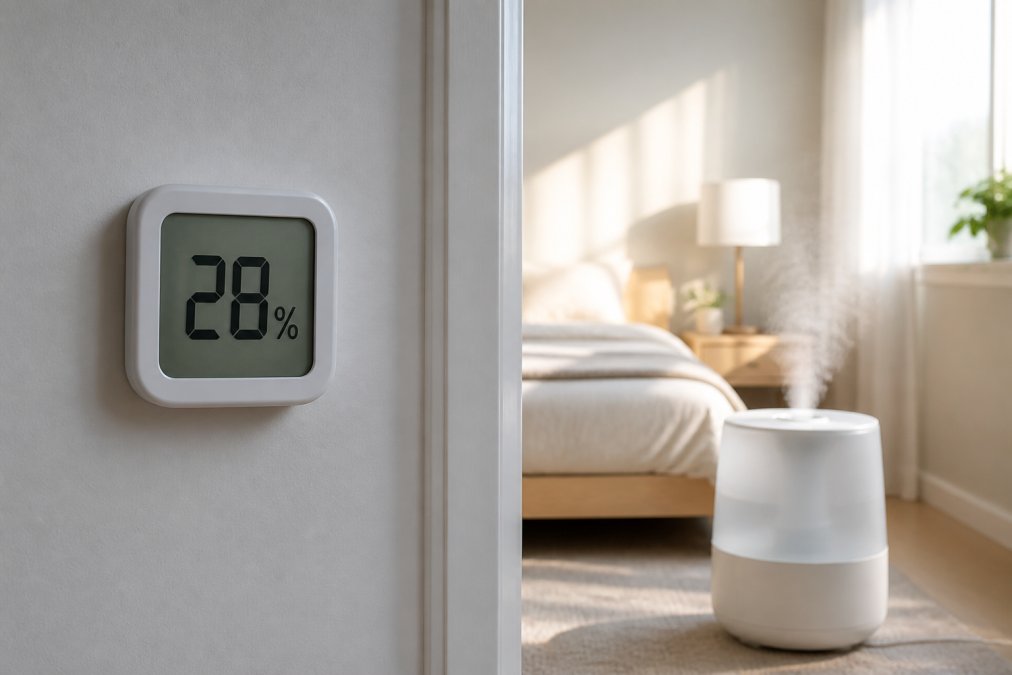
Using a hygrometer to track humidity levels
A hygrometer is a small device that measures the percentage of moisture in the air. Digital hygrometers cost $15 to $30 and provide accurate readings within seconds. Place one in your bedroom, your office, and any other space where you spend significant time. Record your humidity readings alongside your nasal symptoms for a week or two. You'll see a clear correlation between low humidity and worsening symptoms.
Optimal humidity ranges for nasal health
The ideal indoor humidity for nasal health is between 40% and 60%. At this range, your mucous membranes stay naturally moist without requiring constant topical treatment. Your cilia function optimally, clearing mucus and irritants efficiently. Below 30% humidity, nasal dryness becomes inevitable no matter what you do. A humidifier is the most practical tool for raising humidity in dry environments. Run your humidifier during the hours you spend in that room, overnight for a bedroom, during work hours for an office.
Special Considerations for CPAP and Oxygen Therapy Users
Medical equipment that delivers pressurized air directly into your nasal passages creates unique dryness challenges. The air bypasses your natural warming and humidifying mechanisms, hitting your tissue cold and dry.
CPAP machines with built-in heated humidifiers are significantly more comfortable than machines without them. If your current machine lacks humidification, upgrading is worth the investment. For oxygen therapy, ask your provider about humidified oxygen delivery. Many CPAP users find that applying a nasal gel before bed, then using their humidified machine, provides excellent comfort. If you experience persistent crusting, bleeding, or severe irritation despite humidification, discuss it with your healthcare provider or equipment supplier.
Safe Nasal Care for Children
Children's nasal tissues are more delicate than adults' and dry out more quickly. Dry nasal passages in children often lead to congestion, difficulty sleeping, and increased susceptibility to ear infections.
Saline nasal sprays and rinses are safe for children of all ages and contain no medications. A simple saline spray applied 2 to 3 times daily keeps children's nasal passages moist and clear. Xylitol-based formulas like Rhinase X are safe for children and offer the added benefit of reducing bacterial overgrowth. Humidifying your child's bedroom is one of the most effective preventative measures. Teach children to blow their nose gently and to avoid picking or rubbing their nose, which traumatizes already-dry tissue.
When to Seek Medical Advice
Most nasal dryness responds well to environmental control, hydration, and topical moisturizers. See a healthcare provider if nosebleeds happen frequently despite preventative measures, if a single nosebleed lasts longer than 20 minutes with direct pressure applied, or if you're passing blood clots or significant amounts of blood.
Severe crusting that doesn't improve with moisturizing, or crusting accompanied by pain or discharge, may indicate atrophic rhinitis or another condition requiring medical treatment. Persistent congestion despite environmental improvements and topical care might reflect allergies or a structural issue like a deviated septum. If you develop symptoms of a sinus infection, facial pain, fever, or thick yellow or green nasal discharge, contact your healthcare provider.
According to the American Academy of Otolaryngology, persistent nasal symptoms lasting more than two weeks deserve evaluation. Your nasal health affects your overall respiratory function, sleep quality, and quality of life.
Dry nasal passages in low-humidity environments are frustrating but manageable. The combination of environmental humidity control, consistent saline or xylitol-based moisturizing, and proper hydration addresses the problem at every level. Profounda Health & Beauty's nasal care solutions, particularly the Rhinase X Natural Nasal Mist Spray and Rhinase Nasal Care Combo Pack, deliver doctor-recommended, steroid-free relief without the side effects of medicated sprays. Start with a hygrometer to measure your environment, add a humidifier if needed, apply a nasal gel consistently, and you'll notice improvement within days.

| Symptom | Best Approach | Expected Timeline |
|---|---|---|
| Acute dryness | Saline spray + humidifier | 24-48 hours |
| Persistent congestion | Xylitol-based spray + nightly gel | 3-7 days |
| Nosebleed prevention | Nightly gel + 40-60% humidity | Ongoing prevention |
| Post-nasal drip | Saline irrigation + hydration | 5-10 days |
| CPAP irritation | Humidified machine + nasal gel | Immediate relief |
Frequently Asked Questions
Q: What can I put in my nostrils to help with dryness?
A: Saline nasal sprays and gels are the most effective options for nasal dryness. Water-based moisturizers with natural ingredients like xylitol soothe irritated nasal passages without medication. Gel formulas provide longer-lasting lubrication than sprays. Apply according to package directions, typically 2-3 times daily. Avoid petroleum-based products, which can interfere with normal nasal function and cilia movement.
Q: What is the best nasal spray for a dry climate?
A: The best nasal spray for dry climates combines saline solution with natural moisturizing agents. Hypotonic saline sprays with xylitol are particularly effective because they hydrate nasal tissues while reducing irritation. Dual-action formulas, combining both spray and gel, address dryness comprehensively. Choose steroid-free options if you want daily relief without medication concerns. Doctor-recommended formulas ensure safety for extended use in persistently dry environments.
Q: How does low humidity affect nasal health?
A: Low humidity dries out the mucous membranes lining your nasal passages, reducing their ability to trap particles and fight infection. This causes irritation, crusting, and inflammation of nasal tissues. Dry air also slows cilia function, the tiny hairs that move mucus and debris out of your sinuses. The result is increased congestion, nosebleeds, and vulnerability to respiratory infections. Maintaining indoor humidity between 30-50% helps protect nasal health and respiratory function.
Q: Are steroid-free nasal sprays safe for daily use?
A: Yes, steroid-free nasal sprays with saline and natural moisturizing ingredients are safe for daily use. Unlike steroid sprays, which can cause dependency with prolonged use, saline-based sprays simply hydrate and cleanse nasal passages without systemic effects. They're suitable for children and adults, and many are recommended by otolaryngologists for long-term nasal care. Always follow package directions and discontinue if irritation develops.
This article was written using GrandRanker